Tracing the Changing Tides of Singapore’s Arts and Culture Scene
From Chinatown’s old shophouses to the futuristic National Gallery, Singapore’s cultural heartbeat reveals a rich history and vibrant evolution.
3 min read
From Chinatown’s old shophouses to the futuristic National Gallery, Singapore’s cultural heartbeat reveals a rich history and vibrant evolution.
3 min read
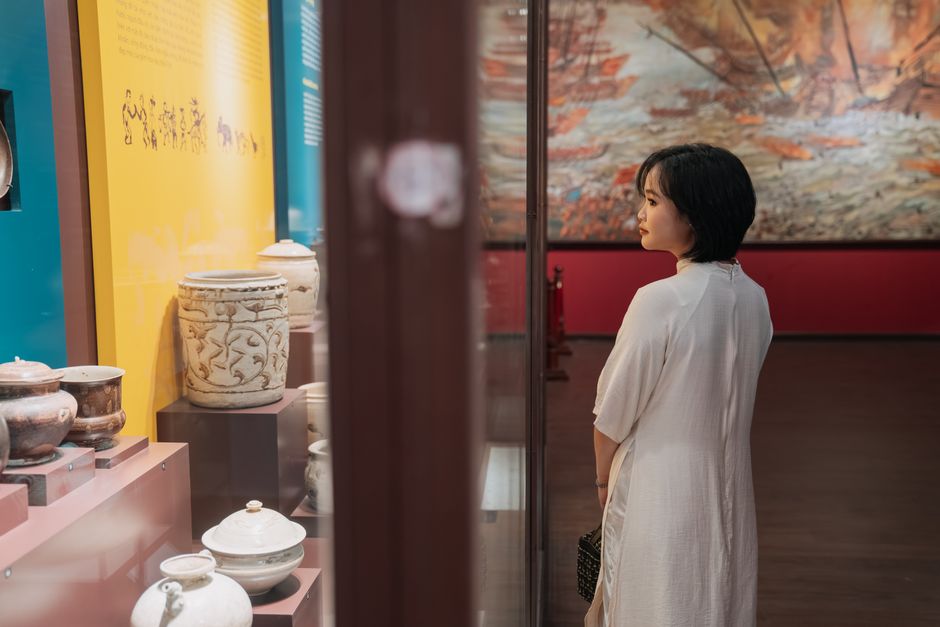
Singapore’s cultural scene today offers an eclectic mix of the traditional and the contemporary, reflecting decades of dynamic change shaped by history, policy, and community. Visitors and locals keen on arts and cultural experiences can explore sites like the Peranakan Museum in the historic Bras Basah district or catch immersive contemporary performances at the Esplanade – Theatres on the Bay, showcasing the city’s artistic strides.
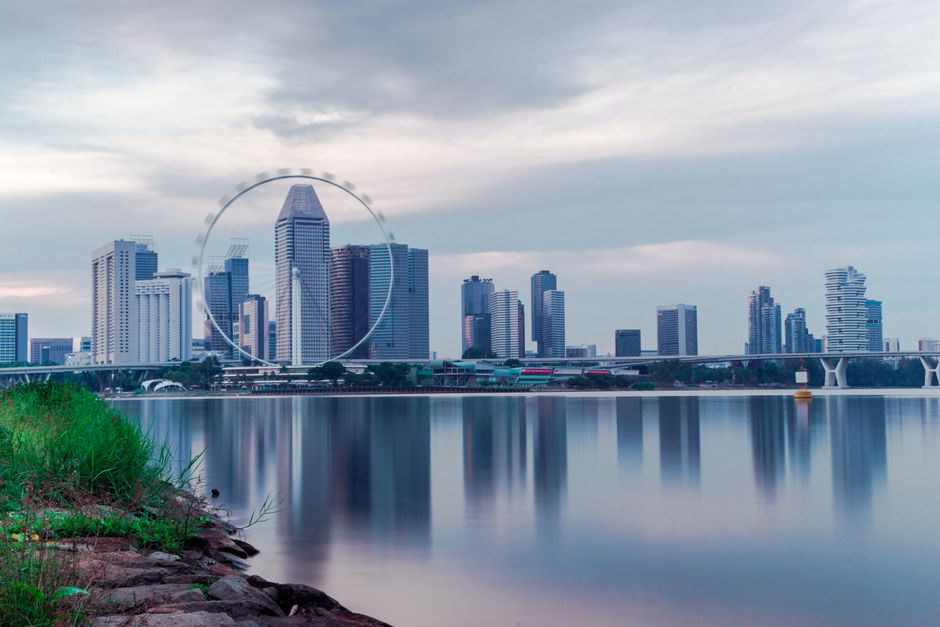
Understanding the past and present of Singapore’s cultural landscape matters now as the city-state prepares for the biennial Singapore Arts Festival this month, which highlights emerging local talents alongside established theatre groups. This festival not only celebrates Singapore’s artistic diversity but also acknowledges the city’s journey from a trading port with colonial legacies to a cultural capital with global ambitions.
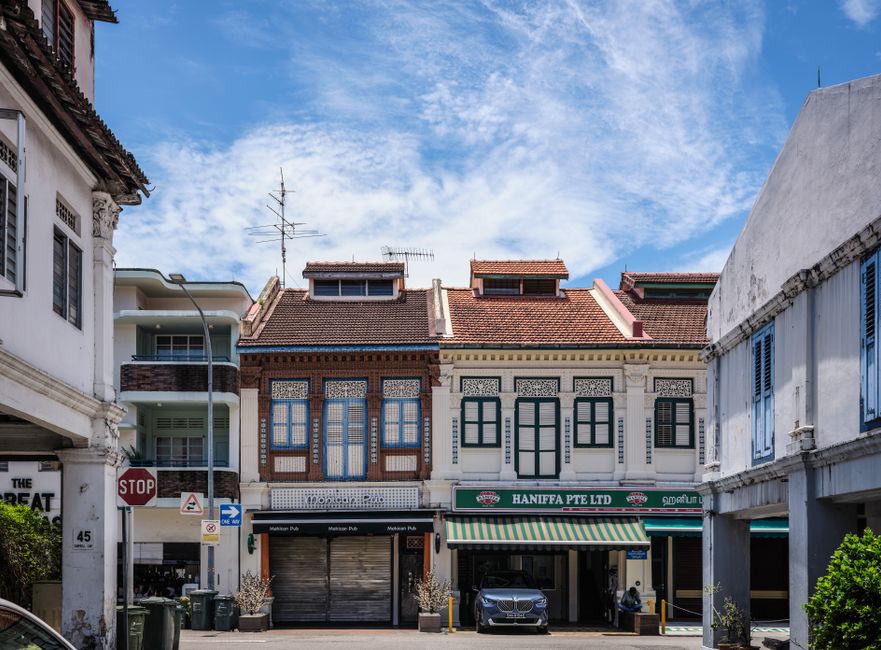
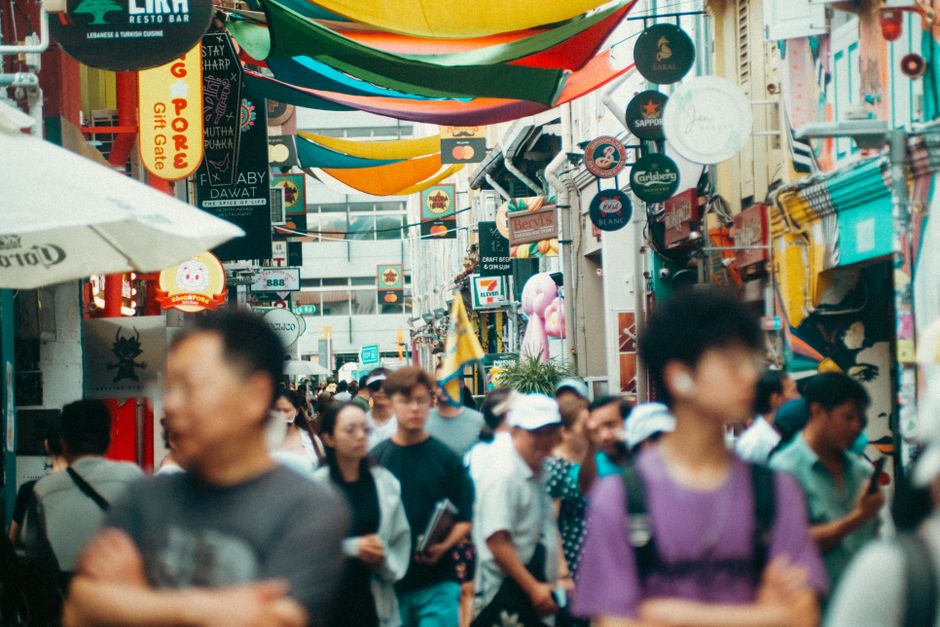
Chinatown, with its vibrant shophouses and traditional art spaces like the Chinatown Heritage Centre on Pagoda Street, remains a testament to Singapore’s early immigrant roots and local storytelling traditions. Conversely, the National Gallery Singapore, housed in the former Supreme Court and City Hall buildings on St Andrew’s Road, symbolizes the nation’s cultural maturation. Since opening in 2015, the Gallery has become a hub for Southeast Asian art, drawing over 1.3 million visitors annually and hosting exhibitions that explore the region’s complex history and identities.
Alongside these institutions, grassroots initiatives such as the Kampong Glam Festival—celebrated annually in the Jalan Besar area—preserve and promote Malay and Arab heritage through crafts, food, and performances, integrating the old with the new. These areas underline how Singapore’s cultural terrain thrives on its layered past, each neighbourhood contributing unique narratives.
According to the National Arts Council of Singapore, over 2,000 cultural events occurred nationwide in the past 12 months, signifying a 15% increase from five years ago. Admission pricing reflects efforts to increase accessibility: entry to the Peranakan Museum is SGD 10 for adults, with many events at the Esplanade offering tickets ranging from SGD 20 to SGD 80. Public transportation connectivity to cultural hubs has improved as well, with the Downtown and Circle Lines servicing key nodes like Bras Basah and Esplanade stations.
This growth is part of a broader government strategy to boost creative industries and cultivate local talent, as outlined in the Singapore Cultural Plan 2030. The plan aims to triple arts spending from SGD 700 million to over SGD 2 billion annually by the decade’s end, further integrating cultural experiences with education and tourism.
For those looking to immerse themselves in Singapore’s evolving arts landscape, July offers a packed calendar. Apart from the Singapore Arts Festival running in venues across Civic District and Marina Bay, the Singapore Night Festival in the Bras Basah.Bugis precinct continues through the weekend with interactive light installations and heritage tours. Tickets and schedules are available at the National Arts Council website, with many events free to the public.
Whether a history buff or an art enthusiast, Singapore’s cultural evolution presents layers of discovery—anchored by vivid traces of the past and the pulsating energy of innovation today.
About this article
Published by The Daily Singapore
Spread the word
Daily brief
Free, in your inbox before 7am. Weekdays.
Before you go
The day's Singapore news in a 2-minute read. Free, weekday mornings.