culture
Discover Singapore's 10 Must-Try Local Experiences This July
From heritage walks to hidden dining gems, here's where to spend your time in the city this July.
How we reported this
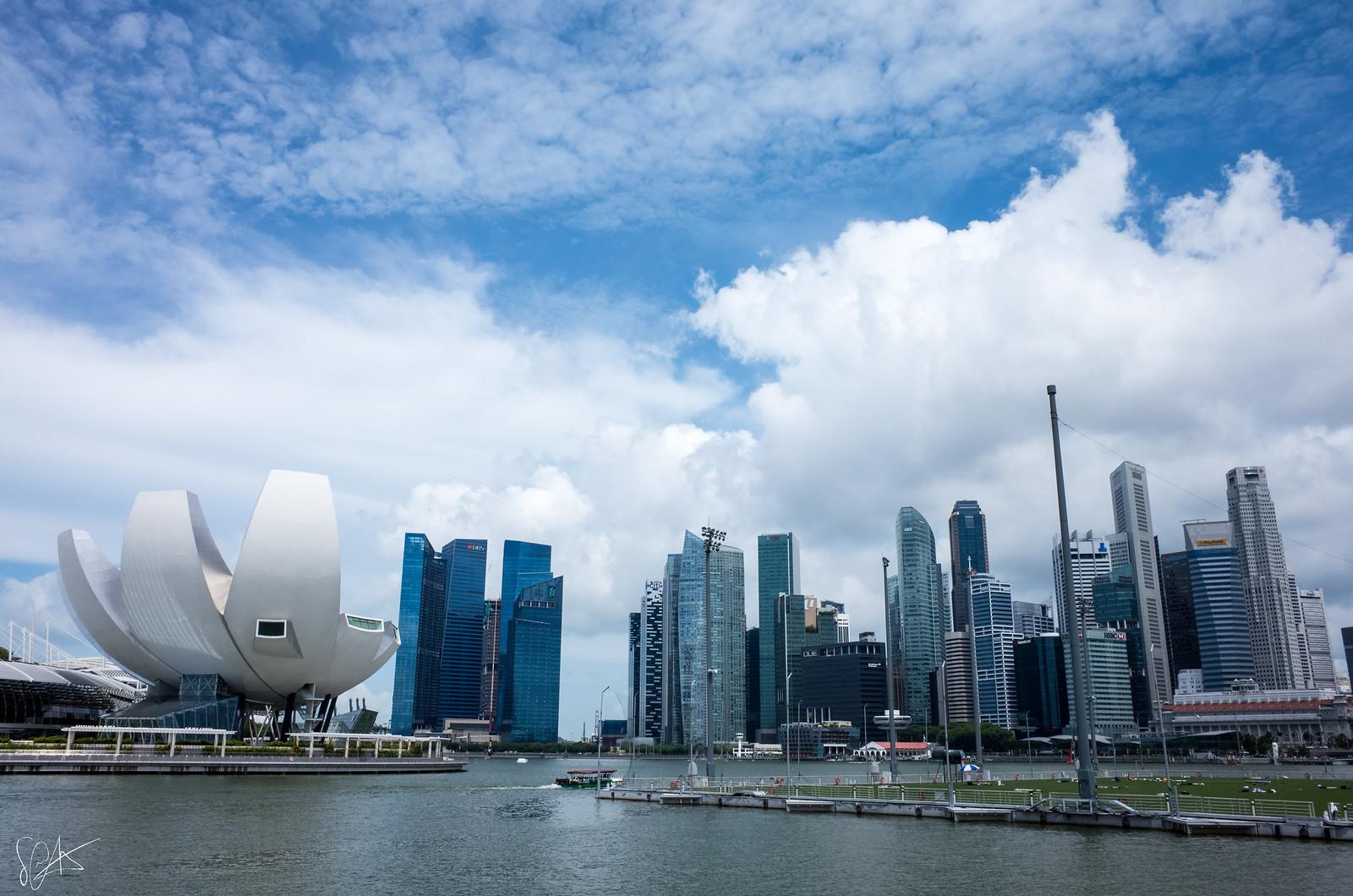
Singapore's cultural calendar hits a sweet spot in early July, with the monsoon rains clearing and school holidays drawing families into museums, markets, and performance spaces across the island. Whether you're a long-time resident tired of the usual tourist circuits or a visitor wanting to move beyond Sentosa, the city offers dozens of worthwhile experiences that locals actually frequent.
The timing matters. July marks the tail end of the Hungry Ghost Festival season, when neighbourhood temples and community spaces host performances and food stalls that reflect Singapore's multicultural fabric. Meanwhile, the National Museum of Singapore and the Asian Civilisations Museum both run summer programming aimed at families, while smaller independent galleries in Gillman Barracks and Tiong Bahru host rotating exhibitions that rarely make international headlines.
Where to Spend Your Time
Start with Chinatown. The streets around Pagoda Street and Smith Street overflow with shophouses converted into art studios, second-hand bookshops, and casual dining spots. Two blocks east, at the intersection of Ann Siang Hill and Club Street, you'll find a cluster of restored colonial-era buildings housing independent cafés and galleries. The Peranakan Museum sits nearby at 39 Armenian Street, with its permanent collection documenting the material culture of the Straits Chinese community-a ten-minute walk that connects you to three distinct historical narratives without leaving a radius most tourists never reach.
For something quieter, head to Tiong Bahru on the MRT's Red Line. The neighbourhood's art deco shophouses, built in the 1950s, now shelter neighbourhood bakeries, vintage stores, and small galleries. The Tiong Bahru Park overlooks a canal and sits at the edge of what locals call the old heartland. Spend two hours here, grab breakfast at one of the kopitiams (traditional coffee shops) on Tiong Bahru Road, and you'll have seen more authentic Singapore than most visitors manage in a week.
East Coast Park runs for 15 kilometres along the seafront and offers cycling paths, sandy beaches, and hawker centres that serve seafood and satay to locals, not tour groups. Park entrance is free; bike rental runs between SGD 5 and 10 per hour at multiple rental stations. The park fills on weekends with joggers, families, and cyclists heading to Bedok or Changi.
What the Numbers Show
The National Museum draws roughly 120,000 visitors annually, a fraction of the 19 million tourist arrivals Singapore recorded in 2025. That gap tells you something: most visitors concentrate in three or four zones while entire cultural venues operate below capacity. The museum's permanent galleries cover Singapore's colonial past, Japanese occupation, and modern nation-building, with entry at SGD 15 for adults. The Asian Civilisations Museum, located at 1 Empress Place near the Singapore River, costs SGD 14 entry and attracts roughly 60,000 visitors yearly despite housing one of Southeast Asia's strongest collections of Chinese ceramics and Southeast Asian antiquities.
Dinner costs matter. A meal at a hawker centre-say, laksa, satay skewers, and a drink-runs SGD 8 to 15. Mid-range restaurants in restored shophouses cost SGD 25 to 45 per head. The gap between tourist pricing on Orchard Road and actual local spending is substantial enough that eating where locals eat saves money while improving the experience.
What comes next depends on your schedule. If you have three days, anchor each around one neighbourhood: Chinatown and the river precincts, Tiong Bahru and the central heartland, and either the east coast or Gardens by the Bay's Indian and Chinese gardens. If you have a week, add Jalan Besar for its Indian heritage, the Kranji Marshy Reserve for mangrove boardwalks, and an evening in Little India along Serangoon Road during the tail end of Deepavali season. The key is pacing-Singapore's heat demands it, its scale rewards slow exploration, and its best experiences sit outside the guidebook consensus.