Singapore’s Digital Art Transformation: What Visitors Should Know and the Must-See Highlights
As the city embraces a shift toward high-fidelity image replacement technologies, local galleries are redefining how visitors experience digital art and preservation.
This article was generated by AI from the linked public sources. The Daily Singapore is independently owned and covers Singapore news free from advertiser or sponsor influence. Read our editorial standards →
Singapore’s cultural institutions are undergoing a quiet, high-tech renovation this summer, moving toward sophisticated duplicate image replacement systems to preserve fragile archives while enhancing the spectator experience. The initiative, spearheaded by the National Heritage Board (NHB), marks a significant departure from traditional display methods by utilizing high-resolution digital mirrors to substitute light-sensitive artifacts that can no longer withstand direct exposure to gallery illumination.
Preservation Meets Innovation at Our City Venues
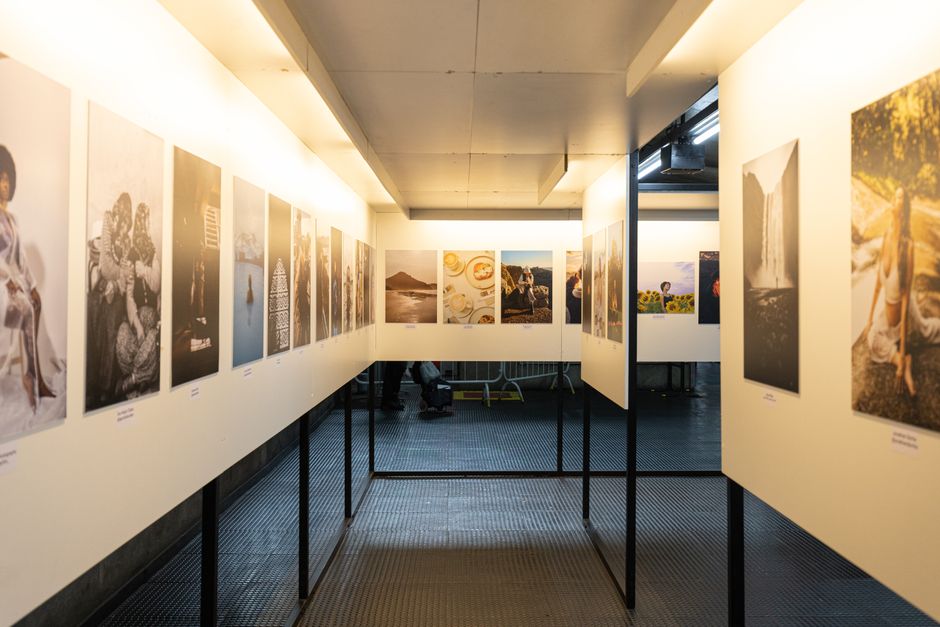
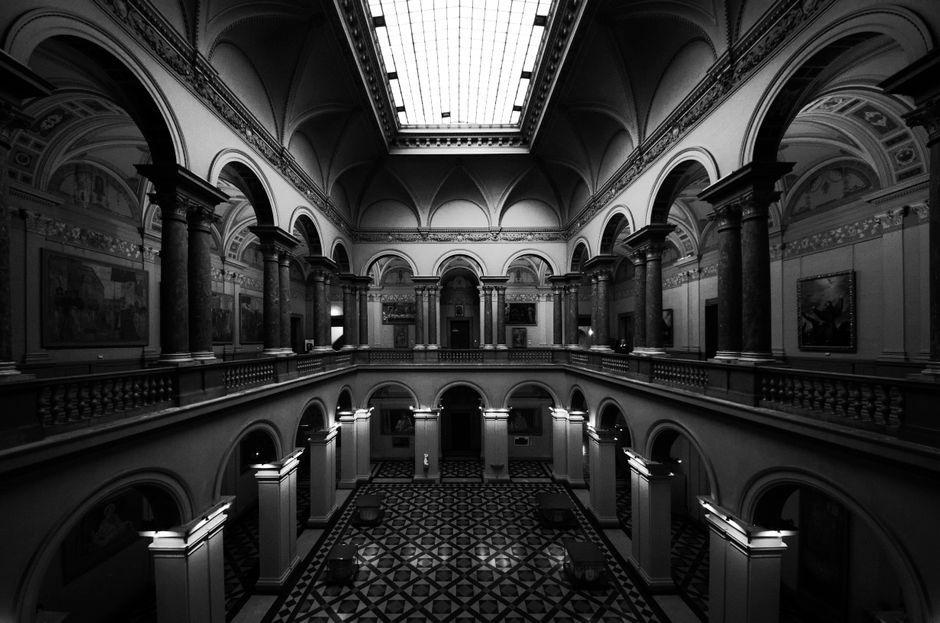
For visitors exploring the Bras Basah district, the immediate impact is visible at the National Museum of Singapore on Stamford Road. Curators have begun rolling out these high-fidelity displays in the Singapore History Gallery, allowing archival photographs from the 19th century to be viewed in vivid detail without risking the degradation of the physical originals. This project aligns with the broader Digital Heritage Blueprint, which aims to digitize 90% of the national collection by the end of 2027.
Across the river at the Asian Civilisations Museum, the focus has shifted toward interactive, dual-layered projections. By replacing static images with dynamic replicas, the museum allows patrons to zoom into intricate carvings that were previously obscured by the museum's protective glass barriers. The technical implementation, managed by the Singapore-based visual tech firm Nexa-Imaging, ensures that the color accuracy of these replicas holds a Delta E value of less than 2.0, meaning the human eye cannot discern the difference between the projection and the original print under standard gallery conditions.
Navigating the New Exhibition Standards
The cost of this technological shift is substantial. According to a 2026 financial report from the Ministry of Culture, Community and Youth (MCCY), the government has allocated approximately $12.4 million towards the 'Visual Integrity and Legacy' program this fiscal year. This funding covers not only the high-resolution hardware but also the proprietary software required to map these images onto irregular surfaces within heritage buildings like the Peranakan Museum on Armenian Street.
Visitors arriving this weekend should prioritize the 'Reflections of the Past' exhibition, which serves as the primary testing ground for the new replacement protocols. While entry to the permanent galleries remains priced at $15 for international visitors, the additional digital layers are provided at no extra cost. For those planning a visit, it is recommended to download the official NHB heritage app before arriving, as several installations utilize augmented reality syncing to provide historical context for the displayed replicas. The technology is most effective during off-peak hours—typically weekday mornings—when the ambient lighting in the galleries is lower, allowing the high-contrast digital images to appear at their most vibrant.
Covering culture in Singapore. This article was generated by AI from the linked sources and was not reviewed by a human editor before publishing. See our editorial standards.