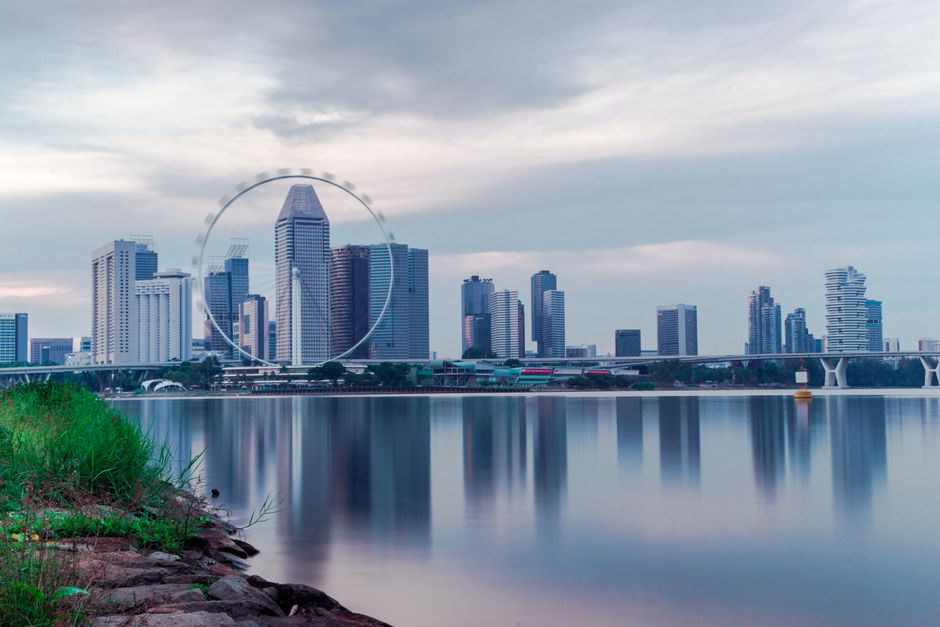
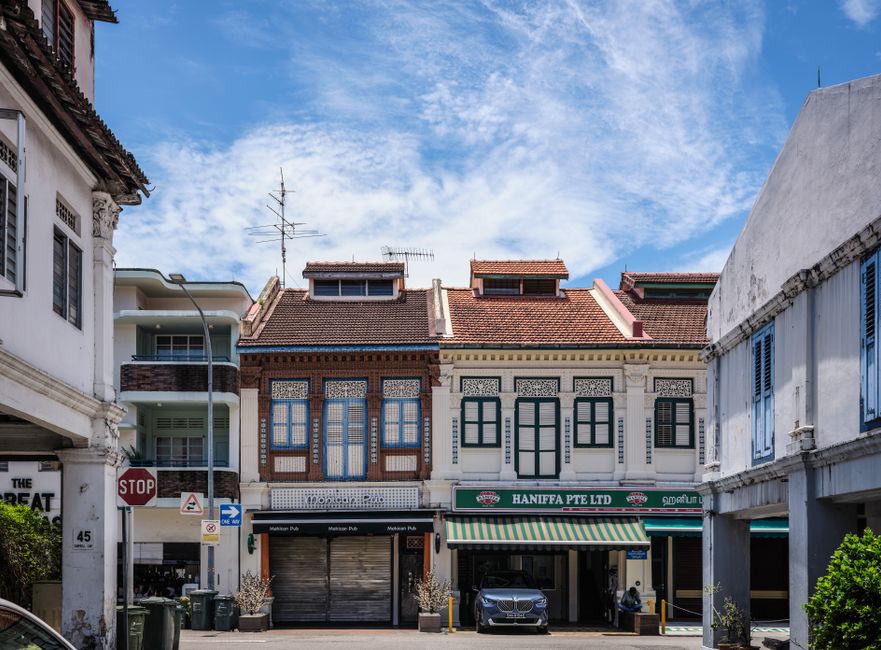
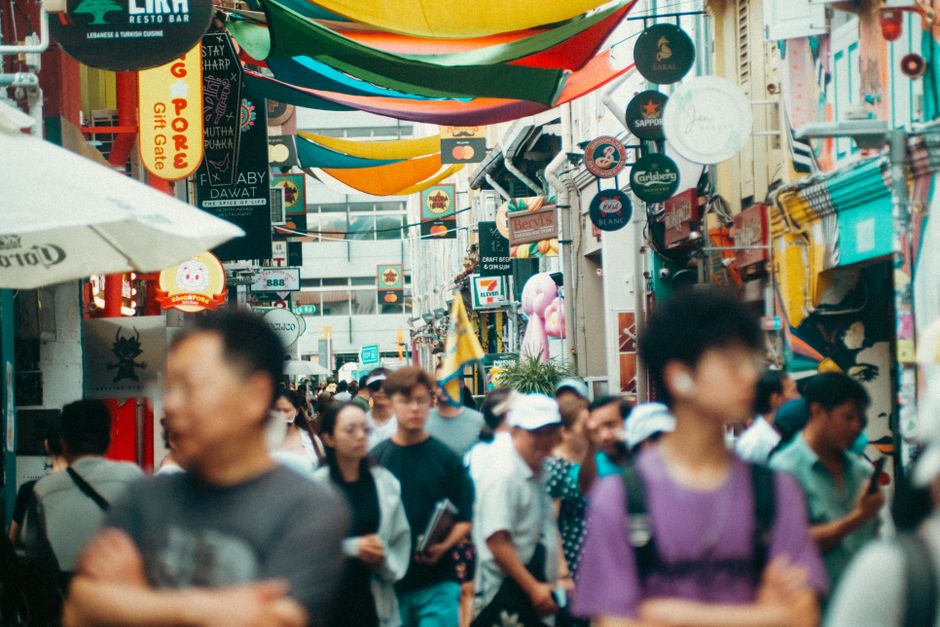
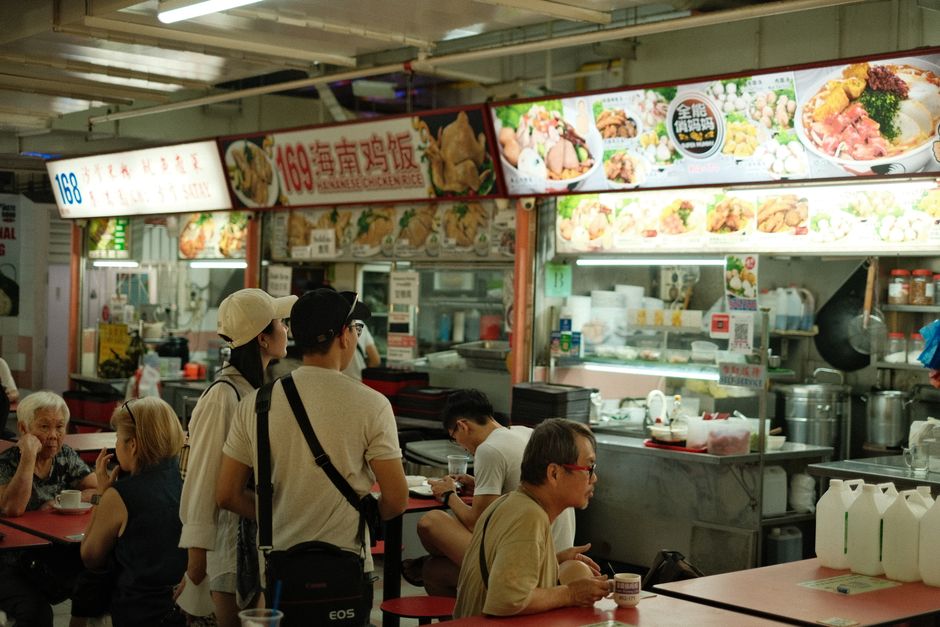
Singapore’s local arts and culture scene today offers a kaleidoscope of experiences reflecting its rich history and rapid evolution. Key locations such as the historic Kampong Glam and contemporary art cluster Gillman Barracks bear witness to this ongoing transformation, attracting residents and tourists alike.
A Scene Rooted in History and Community
Understanding the cultural landscape of Singapore today requires tracing its roots back to grassroots movements and traditional neighbourhoods. Kampong Glam, known for its vibrant Malay and Arab heritage, has long been a cradle for traditional arts including textile crafts and Malay theatre performances. This area has gradually blended its heritage with contemporary influences, hosting events like the annual Kampong Glam Arts Festival that showcase both modern and traditional artistry.
Further west, Gillman Barracks in Alexandra Road illustrates the city’s shift towards global contemporary art. Once a British military cantonment, it was converted into a contemporary art cluster in 2012, housing more than 15 galleries representing artists from Southeast Asia and beyond. This venue played a pivotal role in putting Singapore on the global arts map, hosting major art fairs and exhibitions that draw international collectors.
Rapid Growth Amid Public and Private Support
The relevance of Singapore’s cultural evolution is underscored by recent data from the National Arts Council, which reports that attendance at arts events surpassed 9.3 million in 2025, a 12% increase from 2019. Government initiatives like the 2018 Culture Sector Resilience Package, offering grants and spaces to support artists and cultural groups, have boosted local participation and nurturing new talents.
Ticket prices for major exhibitions at prominent venues have remained accessible, averaging SGD 20 to SGD 35, ensuring affordability for a broad audience. The Singapore Art Museum’s recent retrospective on local modern art attracted over 40,000 visitors in its three-month run, highlighting public appetite for cultural engagement.
Meanwhile, community-driven projects in neighbourhoods like Little India offer immersive experiences such as heritage walks and street art tours, connecting locals and visitors to Singapore’s multicultural fabric.
For those looking to explore today, the Esplanade Theatre complex offers performances ranging from classical opera to contemporary dance, with tickets starting at SGD 15. The National Gallery Singapore continues to exhibit works rooted in Southeast Asian history, with interactive installations that appeal to younger audiences.
Singapore’s arts scene is a dynamic blend of history and innovation, where traditional roots meet cutting-edge creativity. Whether wandering through the restored shophouses of Chinatown or viewing avant-garde installations at Gillman Barracks, visitors can witness a cultural scene that has grown alongside the city’s remarkable transformation.