Tracing the Tapestry: The History and Evolution of Singapore’s Cultural Scene
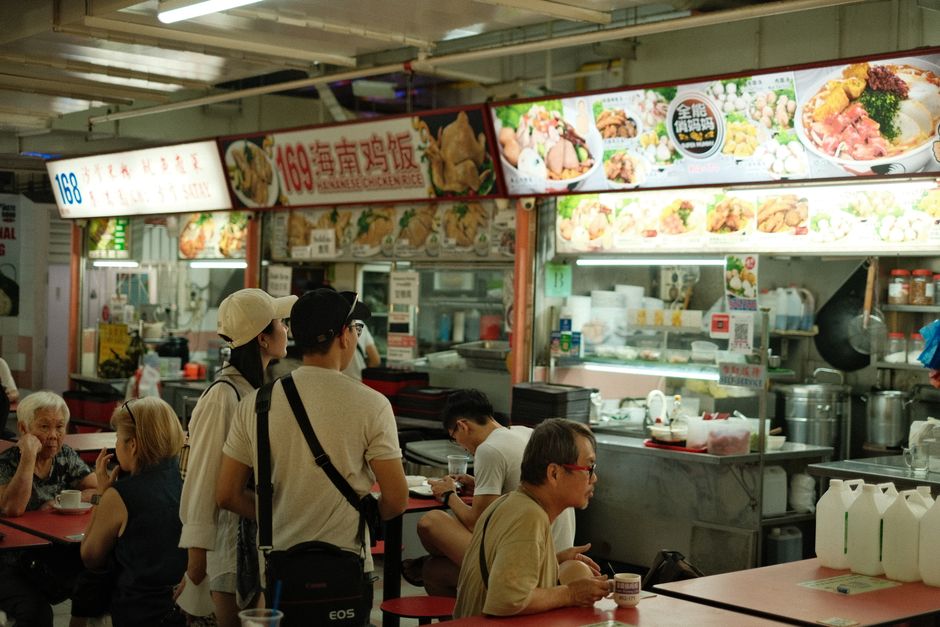
From street hawker centers to cutting-edge galleries, explore how Singapore’s vibrant cultural scene has grown into a global attraction today.
4 min read
From street hawker centers to cutting-edge galleries, explore how Singapore’s vibrant cultural scene has grown into a global attraction today.
4 min read
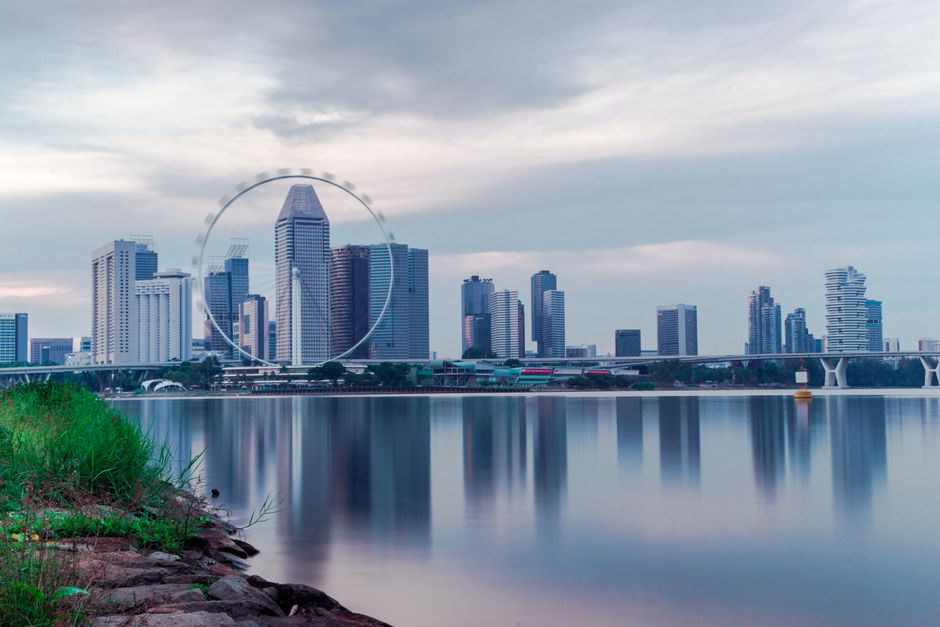
Singapore’s cultural landscape offers a rich blend of tradition and modernity, reflecting decades of development from humble beginnings to a thriving, internationally recognised scene. Today, visitors and residents alike can experience a wide array of cultural offerings that showcase the city-state’s journey in arts, heritage, and community expression.
The spotlight on culture is especially timely in 2026, as Singapore continues to strengthen its reputation as a global arts hub ahead of its year-long hosting of the Singapore Biennale, scheduled to open in September at multiple venues. The event promises to draw tens of thousands of visitors, spotlighting the city’s growing stature in the international cultural community. This momentum builds on renewed government initiatives launched over the past decade, aimed at cultivating local talent and diversifying the cultural ecosystem.
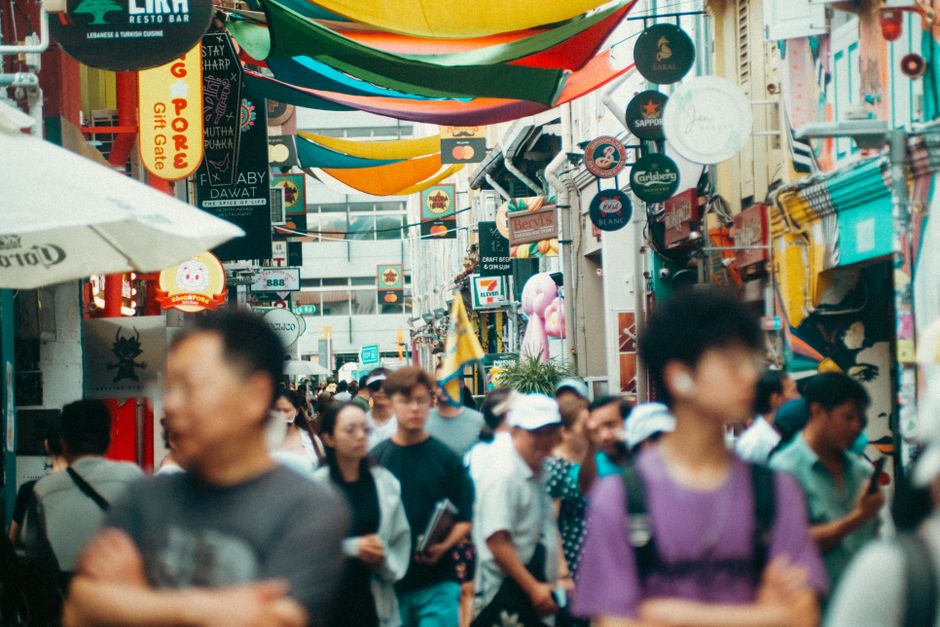
Singapore’s cultural evolution cannot be understood without acknowledging places like Chinatown and Little India, neighbourhoods that have long served as bastions of cultural identity and daily life. Chinatown’s Pagoda Street and Smith Street, historically lined with bustling hawker stalls and shops, have evolved into heritage precincts featuring museums and curated tours, preserving the stories of early migrants whose labour helped build modern Singapore. The Chinatown Heritage Centre, reopened with expanded exhibits in 2024, offers immersive insights into these communities’ lifestyles during the early 20th century.
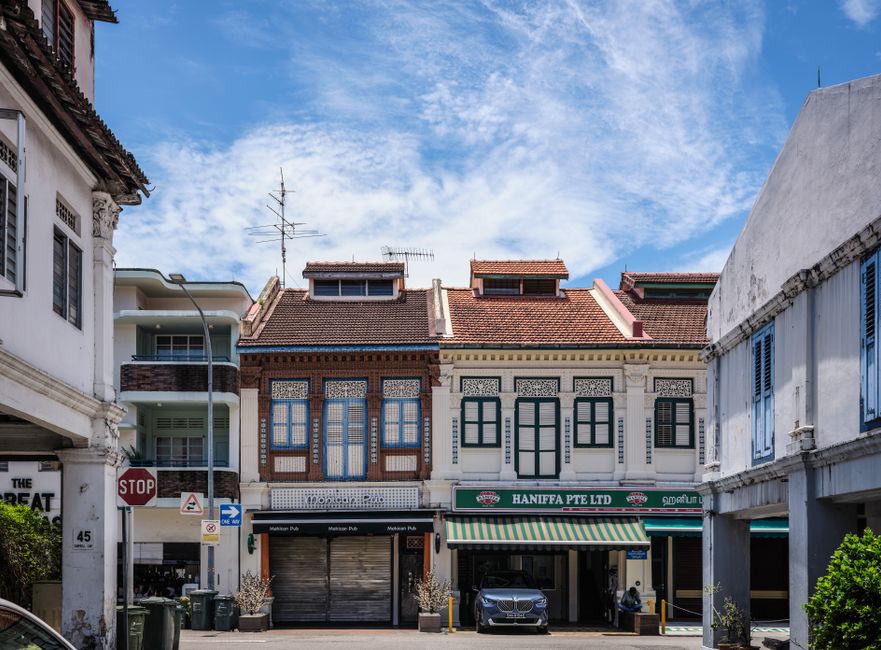
Likewise, Little India, centred along Serangoon Road, is a vibrant hub where decades-old temples like the Sri Veeramakaliamman Temple stand alongside contemporary art galleries such as the Indian Heritage Centre, which opened in 2015. Together, these locations not only preserve Singapore’s multicultural past but have become pivotal spaces for artistic expression and cultural festivities, including the Deepavali street light-up attracting over 300,000 visitors annually.
The transformation also extends to formal institutions. The National Gallery Singapore, located on St. Andrew's Road since 2015, serves as a showcase for Southeast Asian art within the restored City Hall and former Supreme Court buildings. It acts as a central pillar in the city’s cultural strategy, hosting major exhibitions and public programmes that engage over 1.2 million visitors yearly. Alongside this are institutions like the Esplanade – Theatres on the Bay on Marina Bay, which has been a key driver of performing arts since its opening in 2002, supporting local musicians, dancers, and theatre companies.
Supporting the arts ecosystem further is the government’s National Arts Council, which allocated SGD 105 million towards arts and cultural development in 2025, including grants for emerging artists and community projects. These efforts have led to increased productions in genres ranging from contemporary dance to experimental theatre and installation art in non-traditional venues such as Gillman Barracks, an art cluster housed in former military barracks on Lock Road, now home to over 20 galleries.
A snapshot of the economic impact underscores this growth: cultural tourism contributed approximately SGD 1.2 billion to Singapore’s economy in 2025, up 15 percent from the previous year, according to the Singapore Tourism Board. Admission fees for major museums vary, with prices like SGD 20 for adults at the National Gallery and SGD 12 for the Indian Heritage Centre, making art and heritage accessible to a broad audience.
Looking ahead, the cultural landscape of Singapore is set to expand and diversify further. With preparations underway for the upcoming World Cultural Forum in 2027 and continually evolving spaces like the new Culture House at Bras Basah, local audiences and tourists can expect deeper engagement with both traditional narratives and contemporary artistic innovation. For residents seeking to immerse themselves today, walking tours through Tiong Bahru’s architecture, attending weekend performances at Esplanade, or joining workshops at the Singapore Art Museum offer tangible connections to the city’s evolving cultural story.
About this article
Published by The Daily Singapore
Spread the word
Daily brief
Free, in your inbox before 7am. Weekdays.
Before you go
The day's Singapore news in a 2-minute read. Free, weekday mornings.