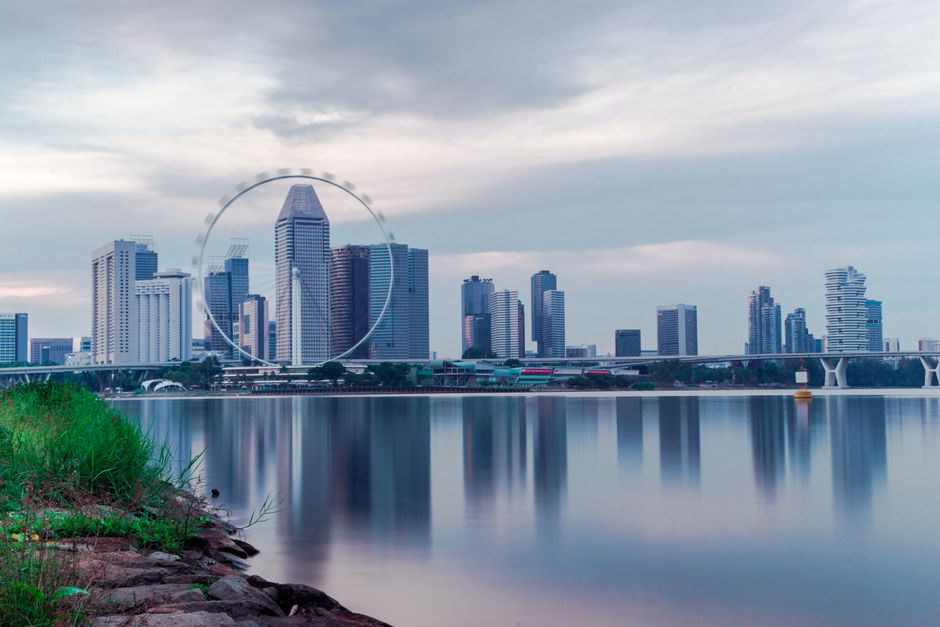
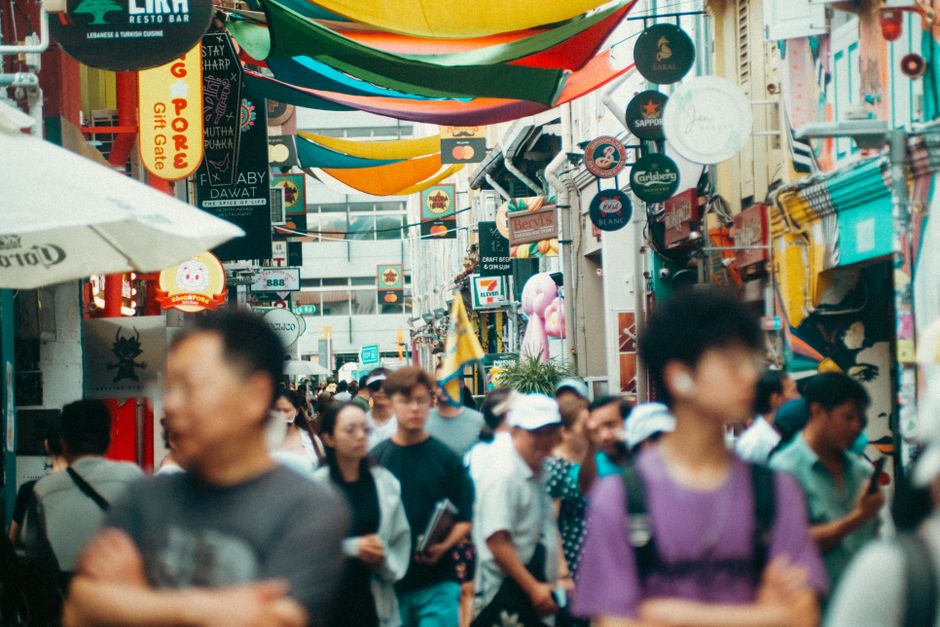
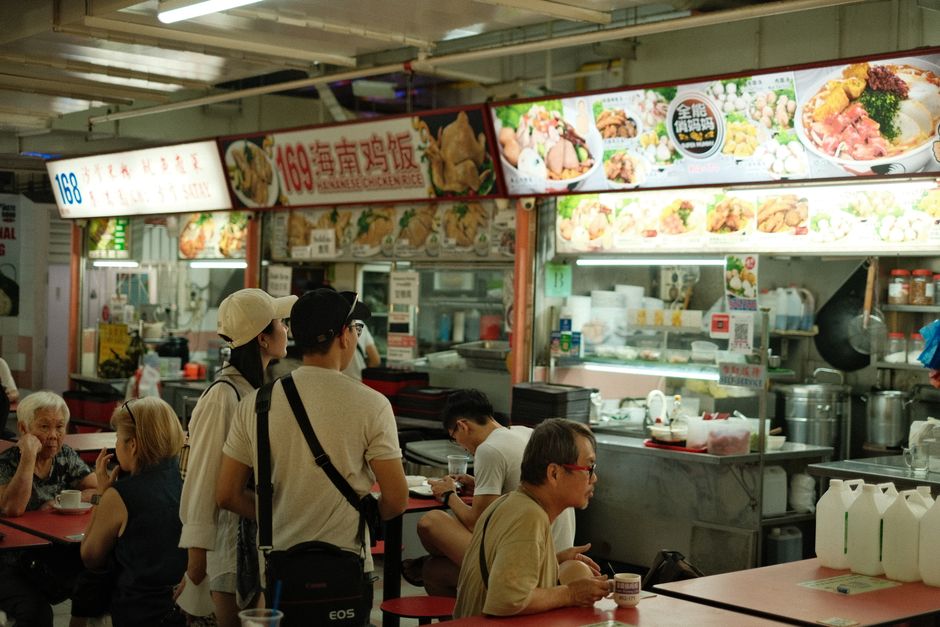
Singapore’s cultural scene, a tapestry woven from its multicultural roots and rapid modernization, offers locals and visitors a unique lens into the city-state’s past and present. The historical trajectory from humble kampong gatherings and colonial performances to today’s internationally recognised events paints a dynamic picture of change and continuity. Exploring this evolution is more than an academic exercise—it’s an invitation to understand a city that celebrates diversity while embracing innovation.
Preserving Heritage Amidst Modernity
The year 2026 marks a notable moment for Singapore’s arts scene as it commemorates 120 years since the establishment of the Victoria Theatre and Concert Hall on Empress Place. This iconic venue, which first opened its doors in 1905, has witnessed countless performances ranging from traditional Malay wayang kulit shows to contemporary dance productions. Nearby, the National Gallery Singapore, housed within two grand 1930s government buildings in the Civic District, strengthens the city’s commitment to preserving and showcasing Southeast Asian art history. The Gallery’s collection has grown substantially since its inception in 2015, reflecting diverse regional narratives.
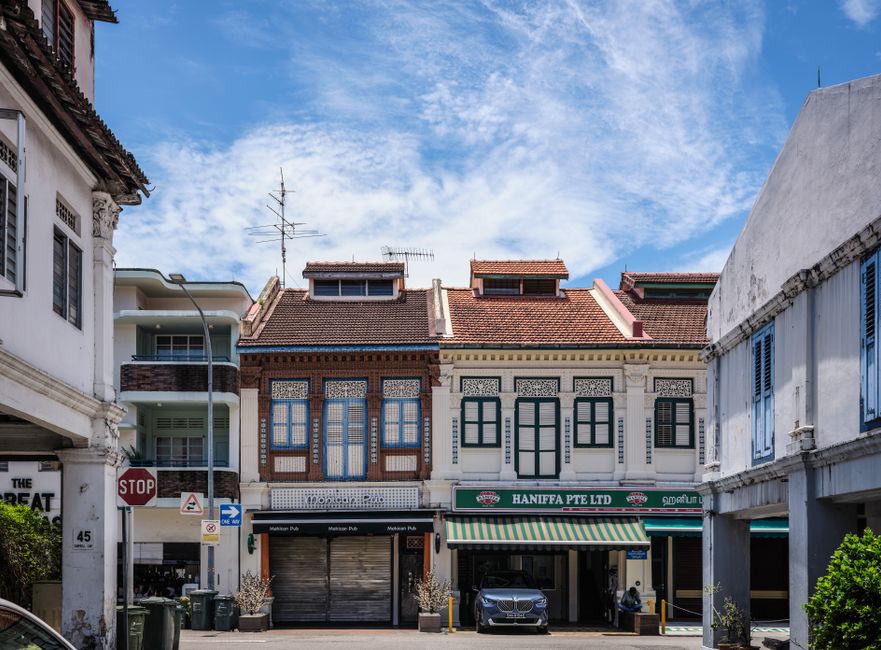
Meanwhile, cultural enclaves like Tiong Bahru and Little India remain vibrant examples of heritage conservation alongside artistic reinvention. Tiong Bahru’s art deco architecture is now home to galleries and independent bookstores, bridging history with a youthful creative spirit. Little India, centred around Serangoon Road, continues to pulsate with festivals such as Deepavali, where traditional performances are staged against the backdrop of spice shops and temples centuries old.
Data Spotlight: Growth and Access
The Singapore Tourism Board reported that in the first half of 2026, cultural tourism contributed 18 percent of total visitor spending—a jump from 12 percent in 2016. This growth underscores an increasing interest in Singapore’s evolving cultural offerings. Ticket prices for major events vary widely: a performance at the Esplanade typically starts at SGD 30, while admission to heritage museums like Malay Heritage Centre averages SGD 10, with some days offering free entry to encourage public participation. The government’s continued investment in arts infrastructure is clear, with over SGD 500 million allocated in the last decade towards restoring historical venues and launching artist residency programs.
Beyond formal institutions, grassroots initiatives such as the Singapore Heritage Festival and the Night Festival at the Bras Basah.Bugis arts precinct highlight an ongoing push to democratise access to culture, inviting people from all walks of life to engage with the city’s multifaceted identity.
For those looking to experience Singapore’s artistic journey firsthand, the coming months offer multiple options. The Asian Civilisations Museum is featuring a retrospective on Peranakan heritage through multimedia exhibits. Additionally, the annual Singapore Writers Festival, running from September 15 to 25, will explore local narratives with a lineup of homegrown authors and international guests. Day visitors can explore walking trails along the Singapore River to uncover the area’s colonial past and its influence on contemporary creative industries.
Whether it’s appreciating a Cantonese opera in the heartlands or attending experimental theatre at SAM (Singapore Art Museum), the city’s cultural evolution invites participation and reflection. Staying connected with programmes offered by the National Arts Council and subscribing to newsletters from local cultural hot spots are good ways to stay informed about ongoing developments in Singapore’s arts scene.