Singapore's emerging talent voices and the next wave to watch
From the experimental stages of Tanjong Pagar to the digital art studios in Geylang, a new generation of creatives is reshaping the city's cultural identity.
3 min read
From the experimental stages of Tanjong Pagar to the digital art studios in Geylang, a new generation of creatives is reshaping the city's cultural identity.
3 min read
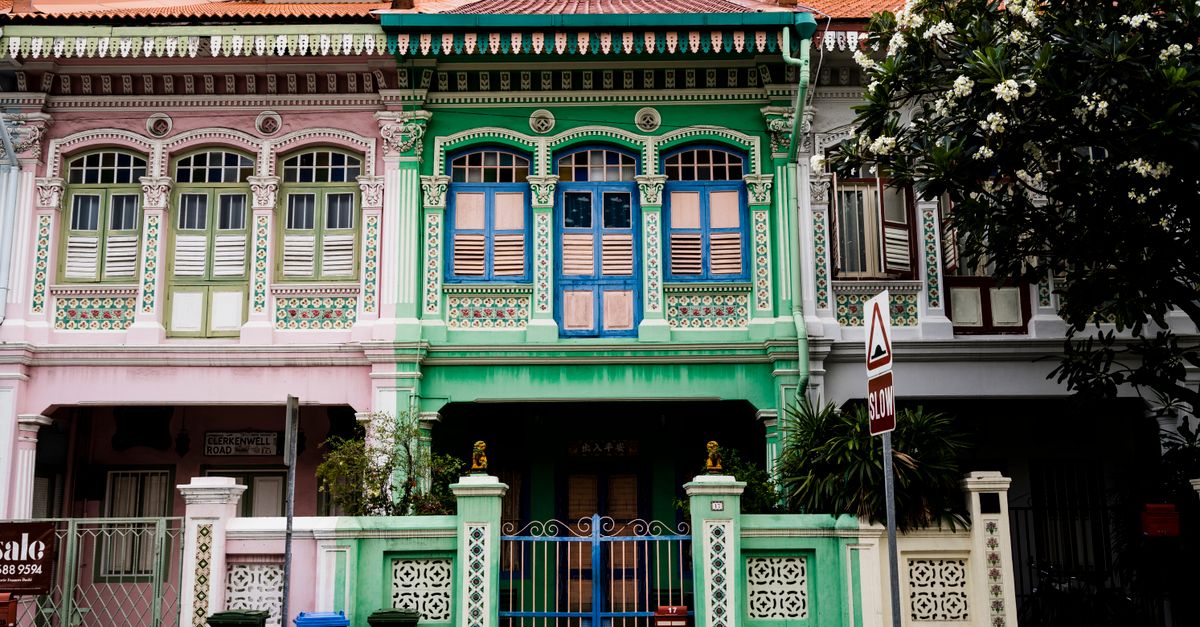
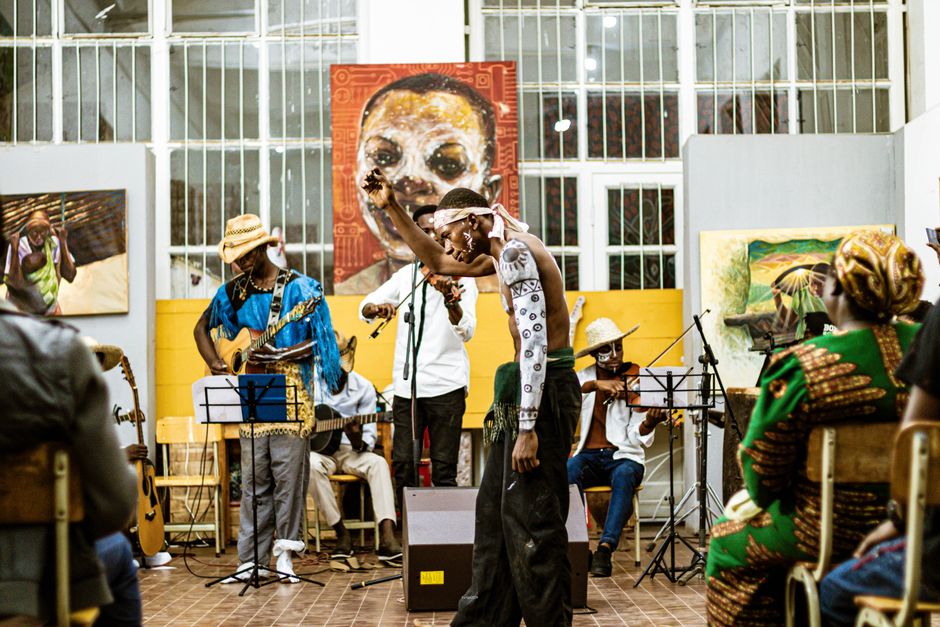
Singapore’s cultural sector is undergoing a shift as independent creators move away from traditional institutional support and toward hyper-local, collaborative spaces. Today, July 6, 2026, marks a pivotal moment for these emerging voices as several grassroots initiatives open their doors to showcase works that challenge the conventions of the local art scene. The focus has transitioned from high-polish exhibition spaces to raw, community-driven venues that prioritize agility over prestige.
The movement is most visible in neighborhoods that have historically served as industrial or residential fringes. Venues like The Substation’s current experimental off-site projects and the independent studios clustered around the Geylang Lorongs are becoming the primary incubators for multidisciplinary artists. These creators are utilizing non-traditional spaces to stage performances, digital installations, and workshops that integrate themes of urban density and technological evolution. This trend reflects a broader desire among younger practitioners to build networks that exist independently of the major state-funded museum calendar.
Organizations like the National Arts Council have previously noted the importance of fostering these smaller, more fluid connections to ensure the longevity of the local creative ecosystem. By moving activities into spaces like the creative enclaves of Tanjong Pagar, artists are accessing a younger, more transient demographic that frequents these areas for leisure and lifestyle experiences. The shift matters because it decentralizes cultural output, forcing a dialogue between established heritage sites and the rapid, often volatile, development of contemporary city life.
For those looking to engage with this wave of talent today, the activity centers around a mix of gallery visits and impromptu showcases. The current landscape is defined by a significant increase in micro-programming, with data from the Singapore Arts Club indicating that collaborative exhibition participation has grown noticeably since the start of the 2026 calendar year. Admission to many of these independent showcases remains free or operates on a voluntary contribution basis, lowering the barrier for public engagement with unconventional media.
Observers of the local scene suggest that this wave is characterized by a high degree of technical proficiency combined with a rejection of formal gallery constraints. When visiting these spots, particularly in the repurposed shophouses near Geylang, patrons should expect a focus on process-based art rather than static, finished products. As this trend gains momentum, the influence of these emerging artists is expected to permeate larger institutional frameworks, potentially shifting the focus of major upcoming exhibitions in the city-state toward more interactive and socially critical installations.
About this article
Published by The Daily Singapore
Spread the word
Daily brief
Free, in your inbox before 7am. Weekdays.
Before you go
The day's Singapore news in a 2-minute read. Free, weekday mornings.