Tracing the Roots of Modern Singapore: The History and Evolution of This Local Scene
From the historic shophouses of Telok Ayer to the modern cultural hubs of the Bras Basah district, Singapore's landscape continues to redefine itself.
3 min read
From the historic shophouses of Telok Ayer to the modern cultural hubs of the Bras Basah district, Singapore's landscape continues to redefine itself.
3 min read
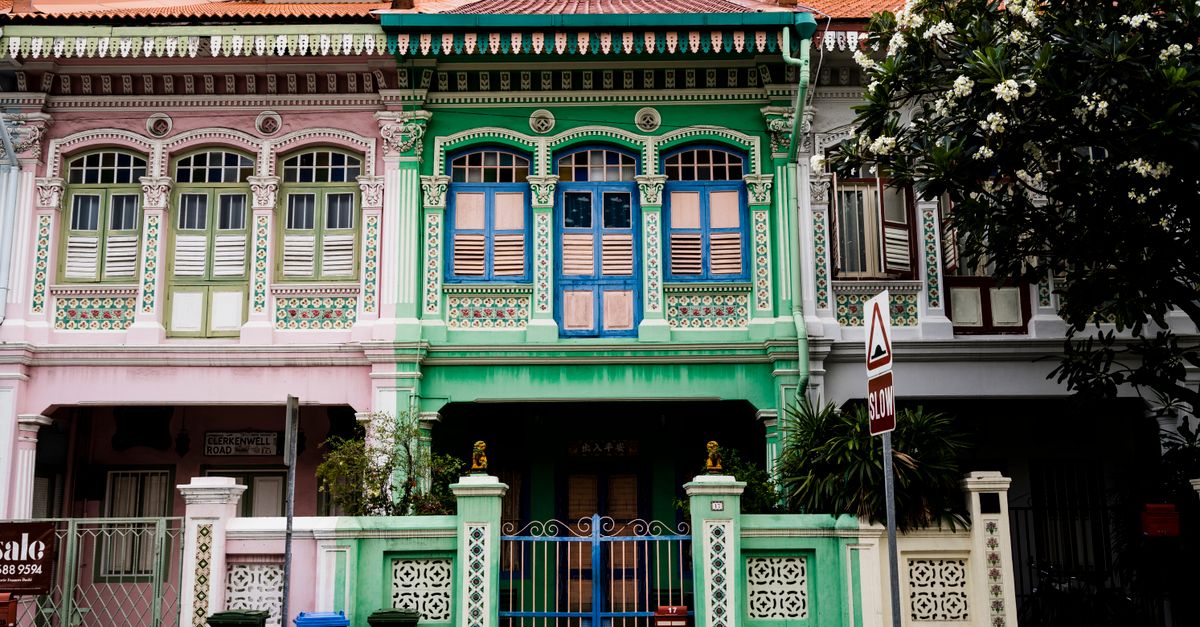
Singapore’s cultural landscape on this Sunday, July 6, 2026, serves as a living archive of the nation’s rapid transformation from a colonial port to a global nexus. Across the city, visitors and residents are engaging with spaces that bridge the gap between 19th-century mercantile history and contemporary artistic expression. Whether walking the grid of the Civic District or exploring the repurposed corridors of modern heritage sites, the city functions as a layered gallery of architectural and social shifts.
The evolution of Singapore’s inner-city scene is most visible in the Telok Ayer district. Once the shoreline where early Chinese immigrants arrived to seek their fortunes, the area is anchored by the Thian Hock Keng Temple. Established in 1840, the temple represents the traditional heart of the Hokkien community and remains a point of departure for understanding how the city’s early social fabric was woven. Today, the surrounding streets-including Amoy Street and Club Street-have evolved from shipping depots into high-density zones for heritage tourism and dining, reflecting the broader economic pivot toward high-value service sectors.
This shift is not merely aesthetic; it is structural. The Urban Redevelopment Authority (URA) has designated these corridors as Conservation Areas, a policy move that solidified in the late 1980s. This framework allowed the city to retain its historical shell while repurposing interiors for modern use. By preserving the physical footprint of the city's maritime history, authorities have ensured that the narrative of growth is etched into the very masonry of the Central Business District, creating a visual dialogue between the skyscrapers of Raffles Place and the low-slung, ornate shophouses of the historic south.
Moving north toward the Bras Basah-Bugis precinct, the focus shifts from trade to education and the arts. The Singapore Art Museum, housed in the former St. Joseph’s Institution, provides a direct look at the evolution of the island’s institutional buildings. This area serves as the intellectual counterweight to the commercial vibrancy of the southern coast. The district’s current identity was cemented through the Master Plan of 2003, which aimed to cluster museums, galleries, and performance spaces to foster a creative ecosystem.
Data regarding foot traffic and institutional engagement remains a key metric for the National Heritage Board. Recent figures from the Board’s annual report indicate that public participation in government-led heritage programming has shown consistent growth across the last decade. Entry fees for many of these national institutions are frequently waived or subsidized to encourage accessibility. For those planning a visit today, the National Gallery Singapore offers an extensive retrospective on regional modern art, housed within the former City Hall and Supreme Court building. Visitors are encouraged to check current exhibition timings via the official museum portal, as the integration of digital ticketing and time-slotted entry has become standard practice for managing visitor density in these high-traffic landmarks.
About this article
Published by The Daily Singapore
Spread the word
Daily brief
Free, in your inbox before 7am. Weekdays.
Before you go
The day's Singapore news in a 2-minute read. Free, weekday mornings.