Gold hit $4,187 a troy ounce on Friday, up 4.1% in a single session, a move that underscored just how bifurcated the global resources sector has become. Crude oil told the opposite story: West Texas Intermediate fell to $68.78 a barrel, a drop of 2.78%, extending a run of weakness that has wrong-footed energy bulls who came into 2026 expecting supply discipline from OPEC-plus to hold prices firm. For investors in Singapore, where commodity-linked equities and real assets form a meaningful slice of both institutional and retail portfolios, the divergence raises urgent questions about where to position for the rest of the quarter.
The Straits Times Index closed at 5,244, up 1.01%, riding a broadly positive session that tracked Wall Street gains. The S&P 500 rose 1.71% to 7,483 and the Nasdaq Composite added 1.87% to reach 25,833. Equity markets were buoyant, but the composition of the rally mattered. Technology and growth stocks carried much of the load on US exchanges, while energy names lagged conspicuously. On the STI, commodity-adjacent counters, including offshore marine and logistics names that service the oil and gas industry, failed to match the index's advance. That divergence within Singapore's own benchmark is a telling signal about sector rotation already underway.
Gold's Rally and What It Means for Singapore Wealth
A 4.1% single-day move in gold is not routine. Spot gold has now more than quadrupled from its 2020 lows and the pace of appreciation has accelerated sharply since the start of 2026. Central bank buying, persistent demand from sovereign wealth funds in the Gulf and Southeast Asia, and sustained uncertainty around US fiscal policy have all contributed. Singapore, as one of the region's pre-eminent private banking and wealth management centres, is directly in the flow of that demand. Private banks on Orchard Road and along Marina Bay have reported strong client interest in gold-linked structured products and physical allocated accounts through much of this year, according to widely-reported industry commentary. The afternoon session on Friday only reinforced that thesis.
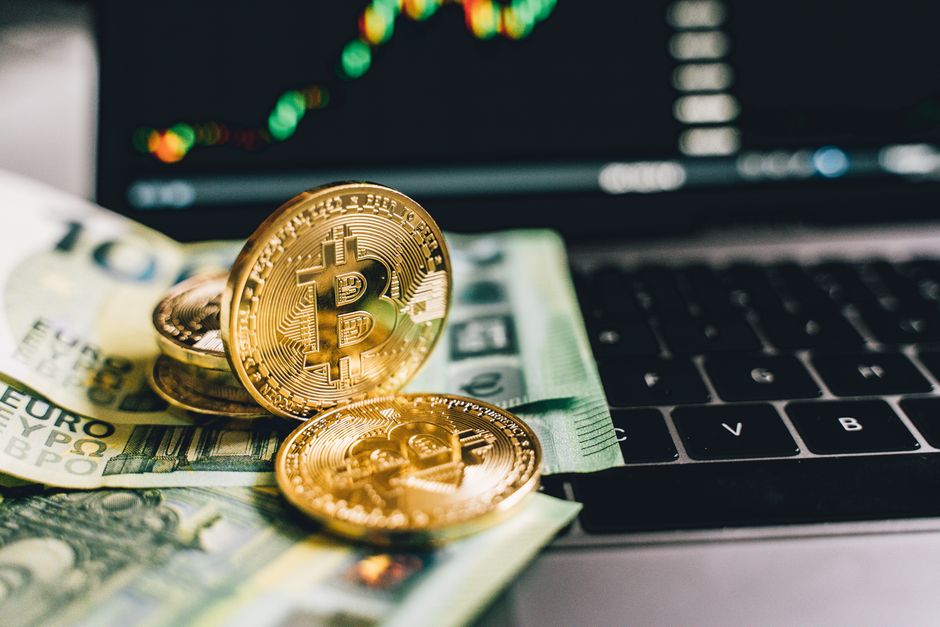
Bitcoin added 6.66% to trade at $62,456, which commodity analysts note is increasingly correlated with gold on days of macro stress, suggesting both assets are absorbing the same safe-haven and inflation-hedge demand that once flowed more exclusively into Treasuries. That matters to Singapore's regulated digital asset sector, which the Monetary Authority of Singapore has spent three years carefully building out through its licensing framework. Several MAS-licensed digital payment token service providers now offer gold-backed tokens alongside Bitcoin exposure, collapsing what was once a clean distinction between hard commodity and digital asset.
Oil is the uncomfortable counterpoint. A sub-$69 WTI print reflects genuine concern about demand growth, particularly from China, which accounts for a disproportionate share of incremental global crude consumption. Weaker Chinese manufacturing data circulating through the market this week amplified those fears. For Singapore, where Jurong Island refineries operated by ExxonMobil, Shell and their partners process crude into refined products for regional sale, a prolonged period of soft oil prices compresses refining margins and drags on the earnings outlook for energy-exposed names. The city-state's petrochemical sector is not immune to that pressure.
Commodities investors watching the resources sector into Q3 face a straightforward but uncomfortable calculus. Gold's momentum is strong and the macro drivers, geopolitical friction, dollar uncertainty, central bank diversification, are not resolving quickly. Mining equities globally have re-rated upward. But energy, and to a lesser degree base metals such as copper and aluminium, where demand signals from China remain murky, present a cloudier picture. Singapore-listed shipping trusts and business trusts that derive income from bulk commodity transport have so far held up on volume growth, but rate softness in certain vessel classes has begun to chip away at distribution coverage ratios.
The quarter ahead is not uniformly bearish on resources. Gold's performance on Friday was a reminder that when equity markets rally and bullion still surges 4%, something more structural than a risk-off flight is at work. The question for fund managers running balanced mandates from Singapore is whether to increase commodities exposure at elevated prices or wait for a consolidation. History suggests that waiting for gold to pull back, in conditions like these, is a strategy that has repeatedly frustrated cautious investors. The bias among regional wealth desks, based on observable positioning data from the first half of the year, has been to hold and add on dips rather than rotate out. Friday's close did little to disturb that conviction.