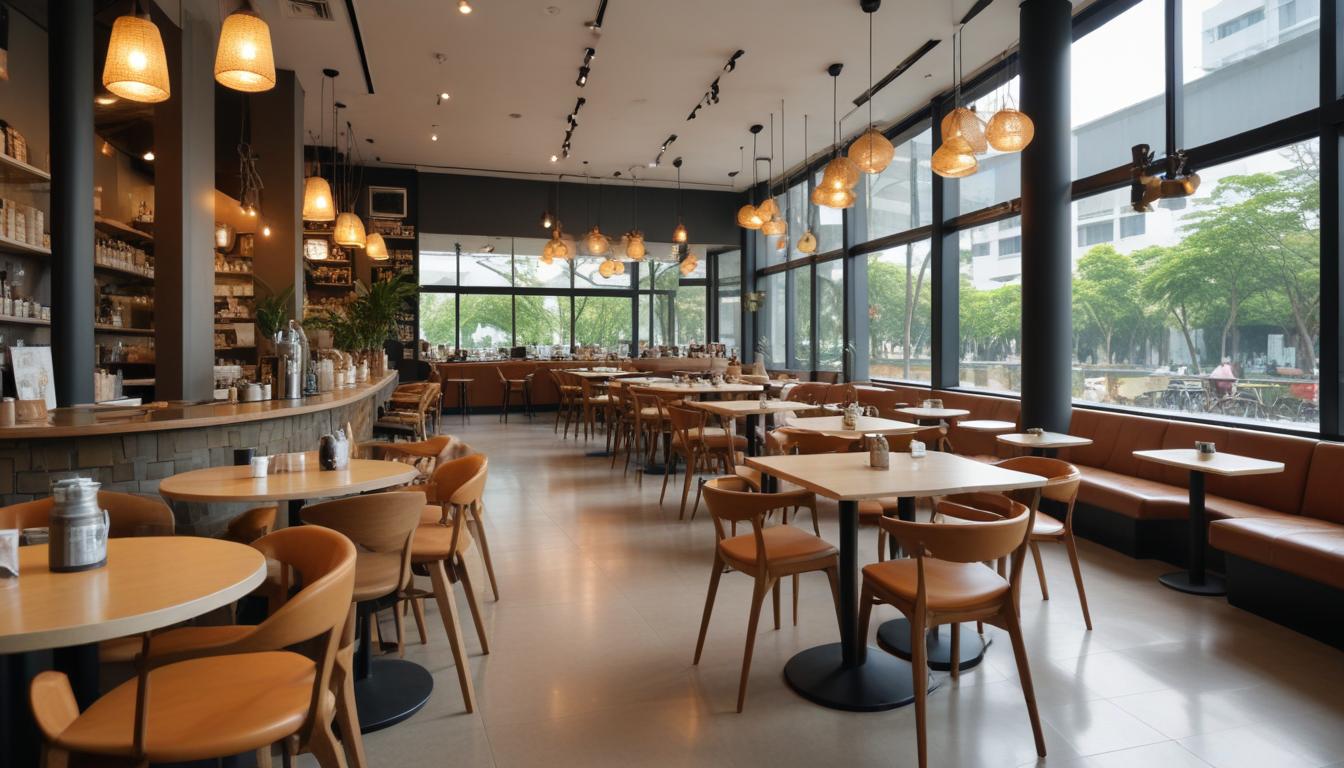
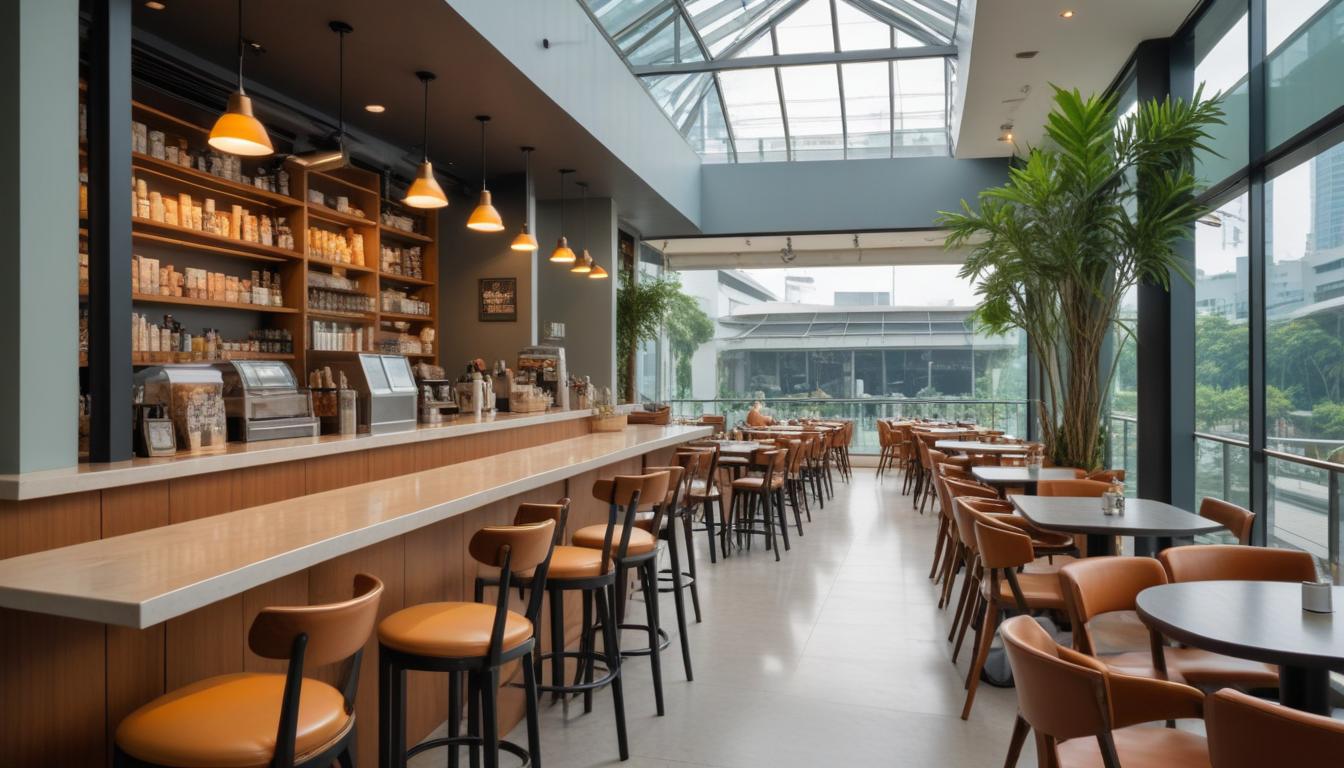
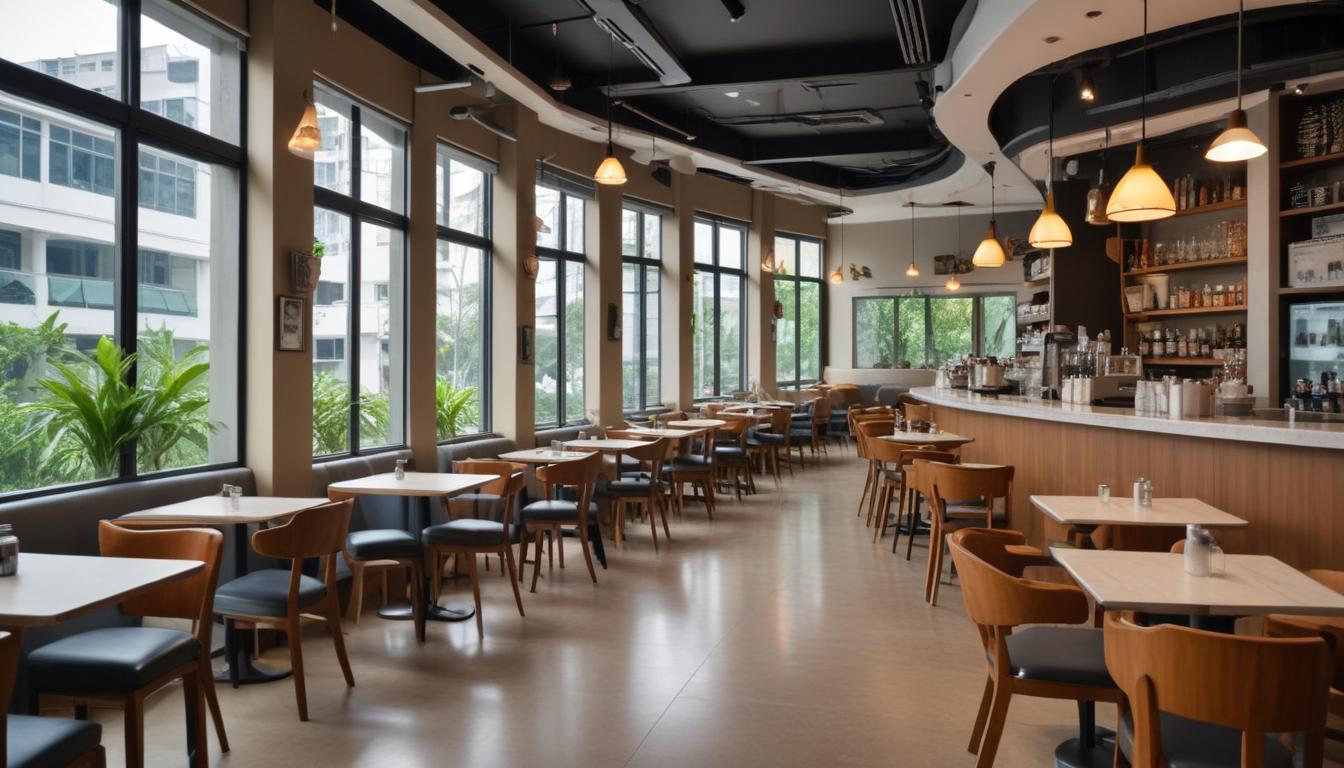
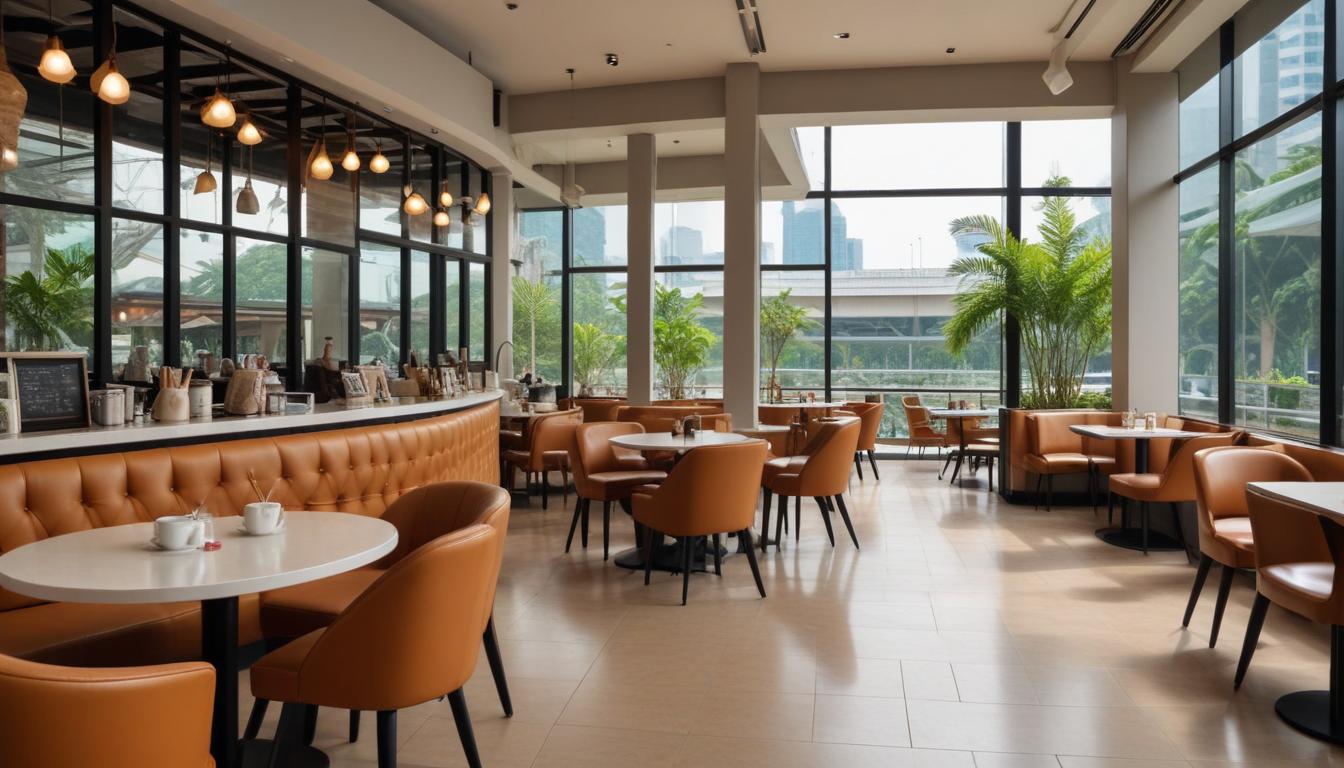
Walk down Tiong Bahru Road on a Friday evening and you'll witness something that would have seemed unlikely five years ago: queues outside independent cafés, young professionals working from laptop-friendly tables, and a palpable sense of community that feels distinctly un-Singapore in its organic warmth.
Singapore's oldest public housing estate, developed in the 1930s, spent decades coasting on nostalgia and cheap rents. Today, that narrative has shifted dramatically. The neighbourhood—bordered by Outram Park and Redhill—has experienced a quiet renaissance that locals attribute to a convergent mix of factors: improved connectivity, deliberate community-building, and a generational hunger for authenticity over sterile modernity.
The opening of the Cross Island Line stations nearby has been transformative, reducing commute times significantly. But what's really changed is intangible. "People used to see Tiong Bahru as where their grandparents lived," says the community manager at the Tiong Bahru Community Centre. "Now it's aspirational for a different reason."
The neighbourhood's eclectic mix of independent businesses tells the story best. Tiong Bahru Bakery—once a humble neighbourhood institution—now anchors a stretch that includes third-wave coffee roasters, contemporary art galleries, and concept boutiques. Rent on Eng Watt Street has risen, but remains a fraction of Bukit Timah or the Central Business District. A two-bedroom flat averages $3,200 monthly, compared to $4,500-plus elsewhere in sought-after areas.
Local families credit the enhanced public realm, too. The recent upgrading of Tiong Bahru Park has created genuine gathering spaces—not just functional green areas, but destinations. Regular community events—from weekend markets to outdoor movie nights organised by residents—have fostered a sense of collective ownership increasingly absent in newer estates.
The demographic shift is real. Young professionals with $400,000-$600,000 in savings are choosing Tiong Bahru HDB flats over private condominiums, drawn by value, character, and walkability. Artists have colonised small studios along Guan Chuan Street. Growing families appreciate the proximity to quality schools like Tiong Bahru Primary and the established medical facilities on Outram Road.
What makes Tiong Bahru's resurgence distinctly local is its embrace of heritage without becoming a heritage museum. The pre-war architecture—those distinctive curved balconies and art deco flourishes—forms a backdrop, not a cage. New ventures respect the bones of old buildings while injecting contemporary energy.
Six months into 2026, Tiong Bahru represents something increasingly rare in Singapore's rapid-cycling urban landscape: a neighbourhood that's becoming more desirable precisely because it refused to erase what made it distinctive in the first place.
This article was compiled by AI from the sources linked above and screened before publishing. See our editorial standards.