Where Locals Actually Live: Honest Neighbourhood Tips from Singapore's Long-Term Residents
Beyond the tourist maps, we asked everyday Singaporeans what they really love—and tolerate—about their own neighbourhoods.
3 min read
Updated 1 h ago
Beyond the tourist maps, we asked everyday Singaporeans what they really love—and tolerate—about their own neighbourhoods.
3 min read
Updated 1 h ago
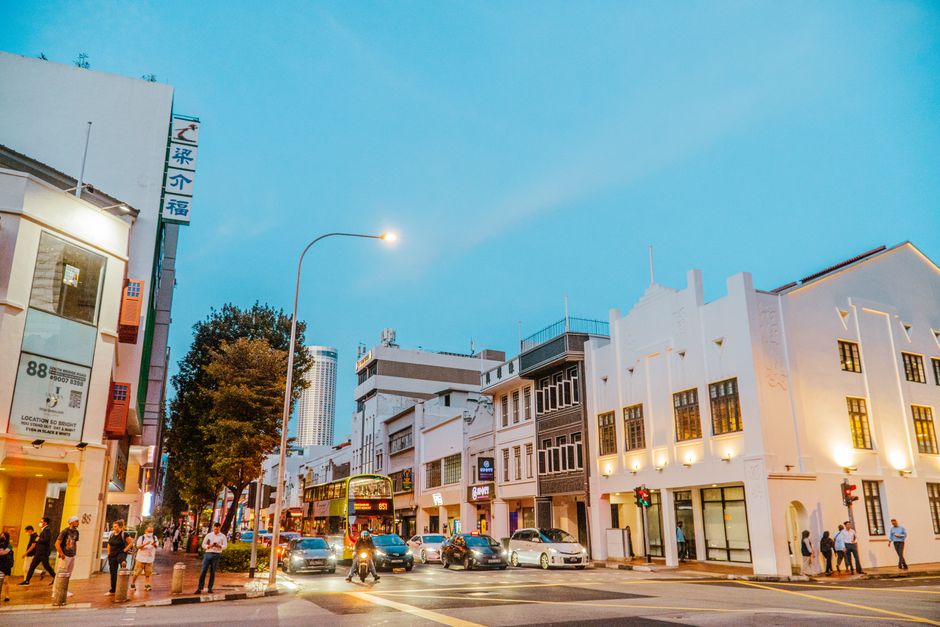
Singapore's property market is notoriously competitive, with HDB resale prices averaging $565,000 in central areas and private condominiums climbing steadily into millions. Yet beyond the statistics, the real story of neighbourhood living comes from those who choose to stay put, raise families, and build routines in the same postcode for decades.
Tiong Bahru remains a favourite among creative professionals and young families, despite its growing reputation as Instagram-ready. Locals point out that while Eu Tong Sen Street cafés draw weekend crowds, the quieter blocks behind—particularly around Seng Poh Road—still retain genuine community vibrancy. A resident of eight years notes that morning tai chi at Tiong Bahru Park costs nothing and connects you instantly to older neighbours; the Sunday wet market on Seng Poh Lane remains cheaper than supermarkets, though arrive by 10 a.m. or selections thin drastically.
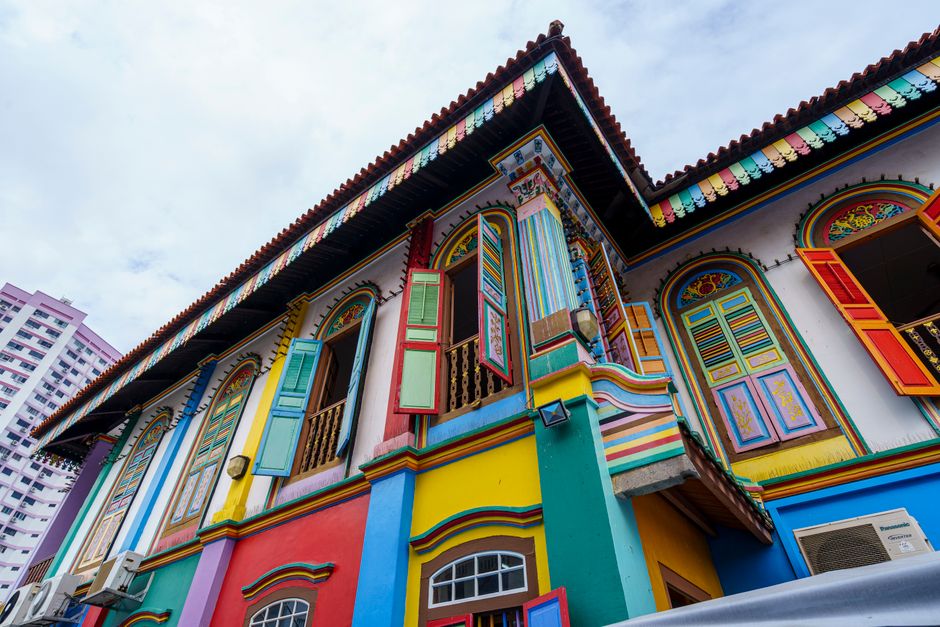
In the East, Katong and Joo Chiat have weathered gentrification while keeping cultural roots. The colourful shophouses along East Coast Road tell stories, and residents emphasise that learning Malay greetings at your local coffeeshop opens doors—literally and figuratively. Rent for a two-bedroom apartment here averages $3,200 monthly, considerably lower than Orchard, and the beach is genuinely walkable.
Tanjong Pagar has transformed into Singapore's dining and arts hub, but long-term residents caution about noise during Friday and Saturday nights. They recommend living on the quieter northern stretches near Pearl's Hill Terrace, where you're close to action but buffered from it. The neighbourhood's excellent hawker centres—notably Tanjong Pagar Plaza's food court—serve as informal community hubs.
For those prioritising accessibility and affordability, Bukit Merah offers practical living. The neighbourhood is served efficiently by the Circle Line, hawker density is high, and the community tends toward practicality over pretence. Residents value the lack of hype; you can secure a resale flat here and actually have money left for living.
Common wisdom from across these neighbourhoods: befriend your hawker uncle or auntie—they become your informal security system and information network. Use neighbourhood WhatsApp groups actively; they alert residents to police operations, lost pets, and spontaneous gatherings. Respect prayer times and temple schedules if you live near religious spaces. And crucially, understand that Singapore's neighbourhood character shifts dramatically block by block.
The honest truth? Every neighbourhood has trade-offs. The charm of heritage areas comes with older infrastructure. Newer estates offer efficiency but less character. The key is knowing what you're genuinely willing to accommodate daily, not just on Instagram.
This article was compiled by AI and screened before publishing. See our editorial standards.
About this article
Published by The Daily Singapore
Spread the word
Daily brief
Free, in your inbox before 7am. Weekdays.
Before you go
The day's Singapore news in a 2-minute read. Free, weekday mornings.