Shopping Singapore's Local Markets: Your Complete Budget Guide to Access, Hours and What to Expect
From Tiong Bahru to Geylang Serai, here's everything you need to know before hitting the hawker stalls and wet markets.
2 min read
Updated 1 h ago
From Tiong Bahru to Geylang Serai, here's everything you need to know before hitting the hawker stalls and wet markets.
2 min read
Updated 1 h ago
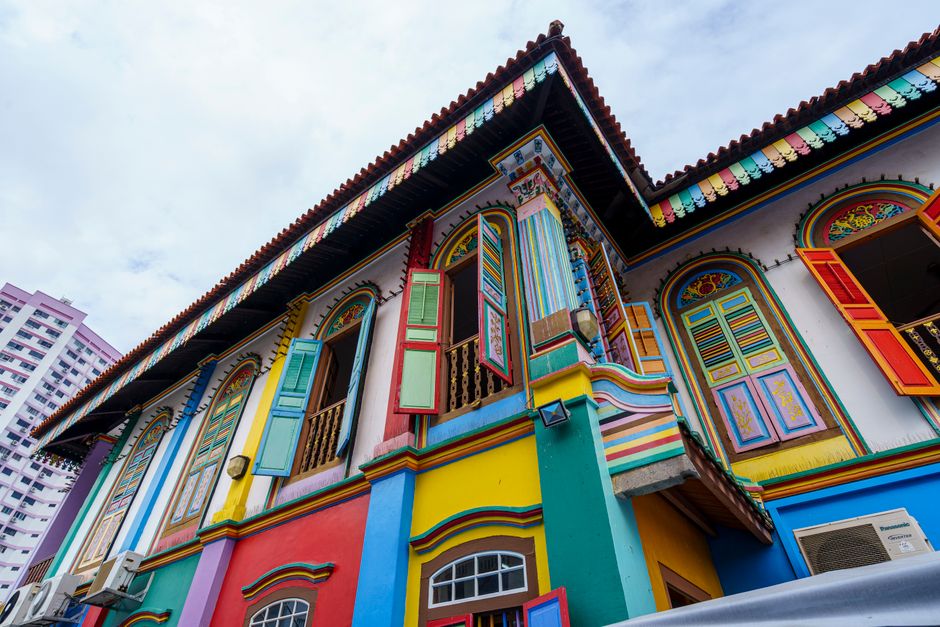
Singapore's traditional markets remain the city's most authentic retail experience—and often the most affordable. But navigating them successfully requires more than just showing up with a wallet. Whether you're after fresh produce, heritage textiles, or street food bargains, understanding access points, timing, and realistic budgets will transform your market experience from overwhelming to rewarding.
Start with the basics: timing is everything. Most wet markets open between 6am and 7am, with peak hours between 7am and 11am when selection is freshest. By noon, many stalls begin closing. Tiong Bahru Market in the eponymous neighbourhood operates daily from 6am to 2pm, while the iconic Geylang Serai Market in the Malay-dominated enclave keeps longer hours (6am to 9pm) and feels most vibrant during Ramadan. Budget roughly SGD 20-30 for a week's worth of fresh vegetables and proteins if shopping strategically; expect to pay 20-30 per cent less than supermarket prices for identical items.
Access varies by location. Tiong Bahru is directly served by the MRT (Circle Line), making it Singapore's most convenient market for visitors. Geylang Serai requires a short walk from Paya Lebar MRT on the Circle and East-West Lines. The sprawling Pasir Ris Farmway 2 market caters more to locals but offers excellent produce variety; it's a 10-minute walk from Pasir Ris MRT. Tekka Market in Little India, near Serangoon Road, serves the Indian community and operates from 6am to 9pm daily, accessible via Little India MRT.
Cash remains king at traditional markets—most stalls don't accept cards, though this is slowly changing. Bring small denominations (SGD 1, 2, 5 notes). Parking is typically affordable (SGD 0.60-1.20 per hour at market carparks), though public transport is more practical given congestion.
Beyond wet markets, heritage shopping streets like Arab Street and Haji Lane offer curated vintage finds, textiles, and homeware at prices ranging from SGD 15-80 depending on rarity. These areas are walkable and parking-adjacent, with numerous cafés for breaks.
The key mindset shift: markets reward regulars. Vendors remember faces and offer fresher selections to familiar customers. Go early, carry reusable bags (many stalls charge SGD 0.10-0.50 per plastic bag), and don't hesitate to negotiate respectfully—haggling is expected on bulk purchases, though less common for fresh produce.
Start with one market, learn its rhythms, then expand. Singapore's market culture represents exceptional value and irreplaceable local character.
This article was compiled by AI and screened before publishing. See our editorial standards.
About this article
Published by The Daily Singapore
Spread the word
Daily brief
Free, in your inbox before 7am. Weekdays.
Before you go
The day's Singapore news in a 2-minute read. Free, weekday mornings.