You've accepted the posting. Your company's relocation package is impressive, and friends have assured you that Singapore is "easy to move to." But what does that actually mean when you're standing in Changi Airport with three suitcases and a nagging question: how is this city genuinely different from the dozens of other expat hubs you considered?
The answer lies in Singapore's singular combination of factors that competitors—from Hong Kong to Dubai to Bangkok—simply cannot replicate in the same measure. This is a city where your taxi ride from the airport to your serviced apartment in Tanjong Pagar will cost you a fixed $18 via the official taxi system, where your landlord will likely be a professional agent rather than an individual, and where your lease will be standardised enough that you won't need a lawyer just to rent an apartment.
Start with infrastructure. Singapore's public transport system moves 5.7 million commuters daily with a reliability that makes other cities' systems look quaint. Trains arrive within 2-3 minutes during peak hours on the Circle Line through Dhoby Ghaut; buses accept contactless payment; Journey Planner apps work flawlessly. Try this level of predictability in London or Toronto. It doesn't exist.
Then there's the bureaucracy paradox: Singapore's government is notoriously efficient. Your Employment Pass application processes within days. Your bank account opens without requiring proof of residence from 18 months ago. The Housing and Development Board offers expat-friendly rental listings transparently priced. There's no hidden subtext, no waiting lists measured in months.
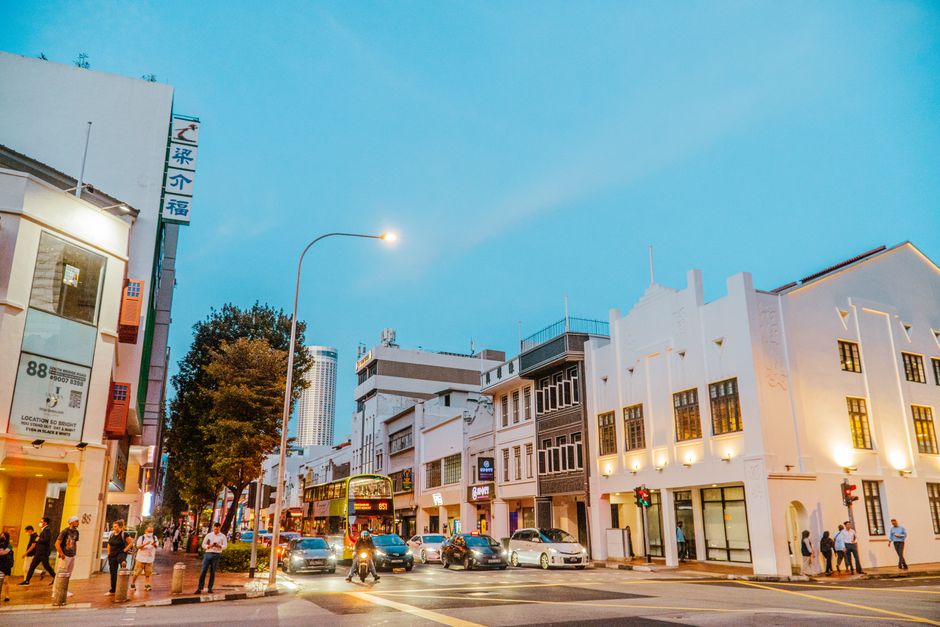
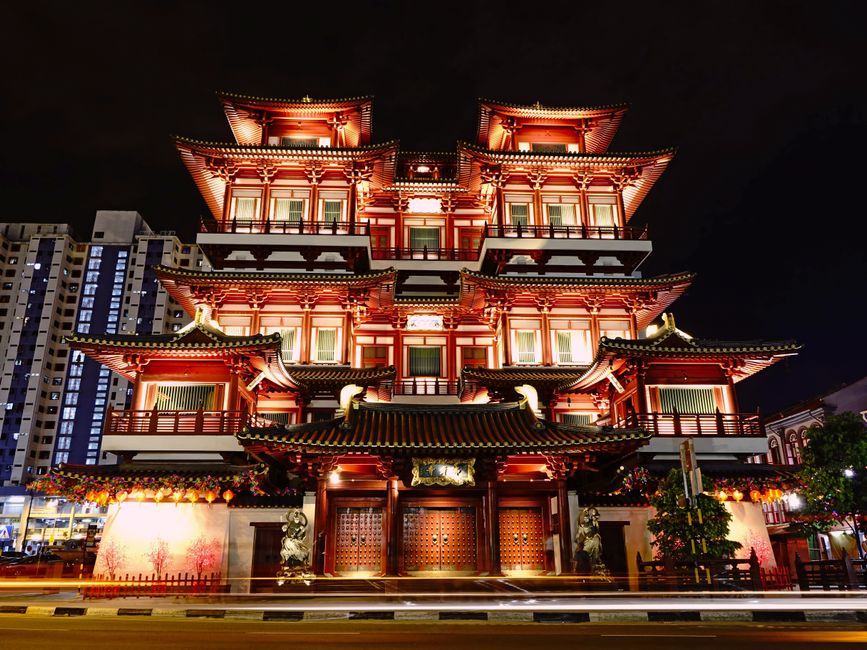
The food scene reveals another layer of uniqueness. Hawker centres like Lau Pa Sat and Maxwell Food Centre serve Michelin-rated meals for under SGD $5. This isn't nostalgia pricing or Instagram fiction—it's the actual baseline. Venture to Geylang Serai for genuine Malay cuisine, Kampong Glam for Muslim-friendly dining, or Chinatown for dim sum that rivals Hong Kong. Few cities offer such authentic diversity at such democratic price points.
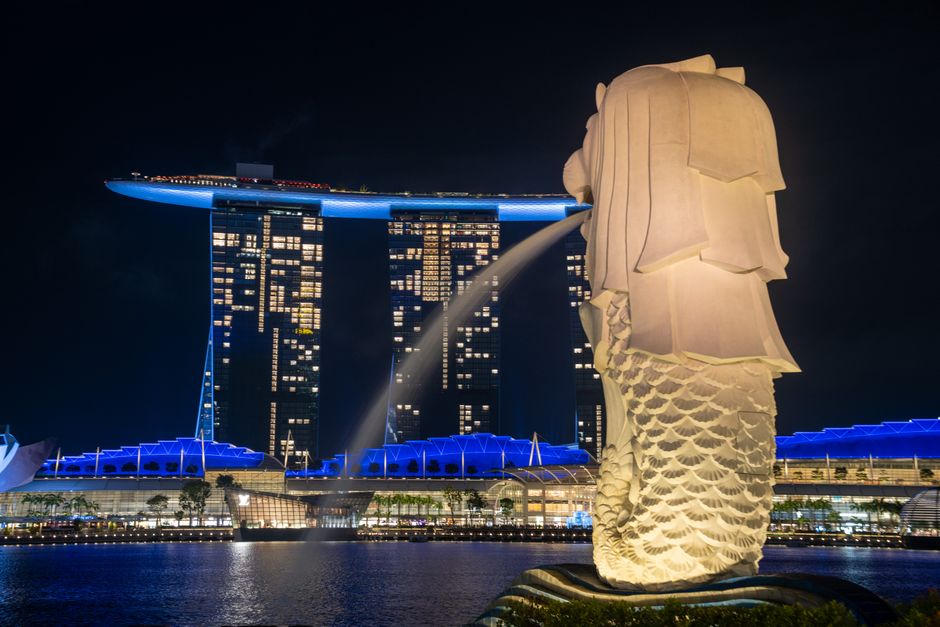
What truly sets Singapore apart, however, is its small-footprint connectivity. You can live in Bukit Timah, work in Marina Bay, and have dinner in Changi within 90 minutes without a car. Schools like Singapore American School and United World College Singapore rank globally. Healthcare costs, while not cheap, are transparent and world-class. Compare this to sprawling cities where commutes exceed two hours and you understand the real luxury: your life isn't fragmented.
The catch? Space is precious, and a one-bedroom apartment in District 9 costs around SGD $3,500-$4,500 monthly. But you're not paying for square footage—you're paying for a city that works. And after living through housing chaos elsewhere, many expats find that's a bargain.
This article was compiled by AI and screened before publishing. See our editorial standards.