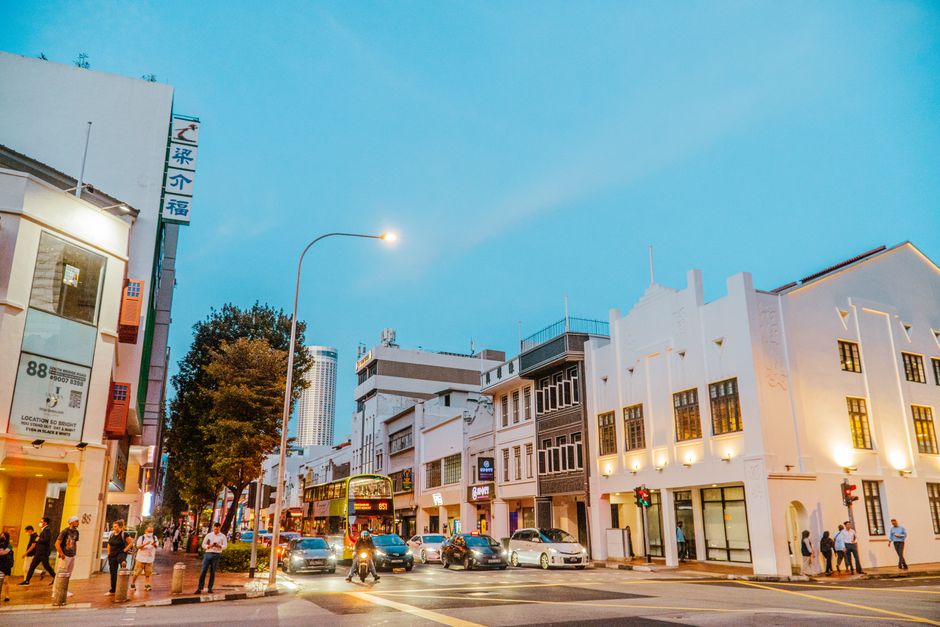
Walk down Tiong Bahru Road on a Saturday morning and you'll notice something has shifted. The neighbourhood that spent the last decade cultivating its reputation as Singapore's quirky, café-centric destination is quietly evolving into something more holistic—a wellness-oriented weekend retreat that's redefining what leisure means for locals.
The transformation is gradual but unmistakable. While vintage shops and third-wave coffee roasters remain fixtures along the shophouse-lined streets, the newest crop of businesses reflects changing priorities. Wellness studios offering aerial yoga and sound baths have opened alongside established venues like the beloved Tiong Bahru Market, now drawing crowds interested in mindful shopping rather than just budget shopping. A recent wellness event in the neighbourhood drew over 800 participants—up 40% year-on-year, according to local business owners—suggesting Tiong Bahru's appeal is broadening beyond the Instagram-café demographic.
What's driving this shift? Part of it reflects broader lifestyle trends. With remote work normalising flexible schedules, Singaporeans increasingly seek weekend activities that prioritise mental wellbeing over destination ticking. The neighbourhood's village-like character—its tree-lined streets, heritage shophouses, and pedestrian-friendly lanes—naturally complements slower, more intentional leisure patterns. Unlike the high-energy buzz of Orchard Road or the entertainment-focused atmosphere of Clarke Quay, Tiong Bahru offers something quieter.
Local business operators are responding strategically. Several established cafés have expanded into retail wellness products. The Tiong Bahru Food Centre, a stalwart since 1975, now hosts sustainability-focused pop-ups and cooking workshops alongside its hawker stalls. Even parking and accessibility have improved—the Housing and Development Board opened additional carpark spaces on Seng Poh Road, acknowledging increased weekend foot traffic.
Price points are rising accordingly. A cappuccino in the neighbourhood now averages $6-7, compared to $5-6 three years ago. Yet footfall hasn't declined; instead, the demographic has shifted slightly older and more affluent, with professionals in their 30s and 40s now comprising the largest visitor segment during weekends.
For weekend planners, Tiong Bahru now works differently. The formula isn't just browsing independent boutiques and grabbing coffee—it's a full experience. Saturday mornings might start with the market, continue with a wellness class at one of several new studios, lunch at the food centre, and an afternoon exploring the neighbourhood's emerging art galleries and design studios.
This evolution hasn't erased Tiong Bahru's original charm. Rather, it's layered onto it, offering visitors more reasons to linger. As Singapore's lifestyle scene becomes increasingly segmented and specialised, Tiong Bahru is successfully positioning itself at the intersection of heritage, wellness, and mindful leisure—a blueprint other neighbourhoods are watching closely.
This article was compiled by AI and screened before publishing. See our editorial standards.