News
New to Singapore? Expats and locals share what newcomers really need to know
From HDB flat hunting to understanding Singlish, community voices reveal the unwritten rules of settling in the Lion City.
3 min read
Updated 18 min ago
News
From HDB flat hunting to understanding Singlish, community voices reveal the unwritten rules of settling in the Lion City.
3 min read
Updated 18 min ago
Singapore welcomes roughly 130,000 new residents annually, yet the transition from arrival to integration remains a mystery for many newcomers. We spoke to expat communities, long-time residents, and integration officers to understand what newcomers truly face when building a life here.
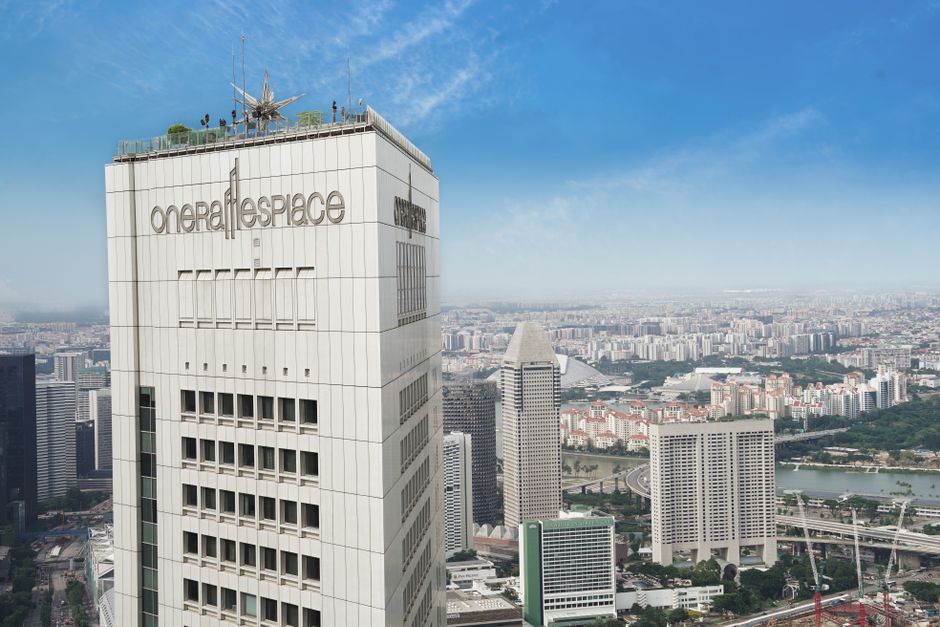
"Housing is the first shock," says a housing liaison officer at the Singapore International Foundation, speaking on behalf of the organisation's resettlement programmes. A one-bedroom flat in Central Business District areas like Raffles Place can cost $4,500 monthly, while Housing and Development Board (HDB) units in Toa Payoh or Ang Mo Kio rent for $2,500–$3,200. For families arriving via employment passes, corporate housing often bridges this gap initially, but independent flat-hunting requires patience and familiarity with platforms like PropertyGuru and 99.co.
Community leaders at the Expat Centre Singapore, located at One Marina Boulevard, emphasise the importance of understanding local culture beyond expatriate bubbles. "Many newcomers cluster in Tiong Bahru or Holland Village," a centre coordinator notes, "but to truly integrate, exploring markets like Tekka Centre in Little India or wet markets in Geylang reveals everyday Singapore." Language, too, matters—Mandarin Chinese, Malay, Tamil, and English coexist here, but Singlish, the local patois, remains essential for navigating hawker centres and taxis.
Employment Pass holders must navigate the Ministry of Manpower's evolving criteria. Median monthly salaries for skilled workers range from $4,800 to $8,000, depending on sector. A community forum moderator at the Singapore Expats Facebook group observed that salary expectations often don't align with reality: "People expect expatriate premiums that disappeared a decade ago."
Healthcare and education present additional considerations. Expat families often choose international schools—Raffles Institution International or United World College of South East Asia—where annual fees exceed $40,000. Public schools like Raffles Institution (secondary) remain highly competitive. Health insurance through local providers like AIA or Prudential typically costs $150–$300 monthly for comprehensive coverage.
Immigration officers at the Singapore Immigration & Checkpoints Authority note that understanding visa categories—Employment Pass, Tech.Pass, EntrePass, or Dependent Pass—determines integration pathways. "Each visa type opens different doors for settling in," an ICA spokesperson explains via official channels.
For many, the real adjustment isn't logistical but cultural. A community integration officer at People's Association highlights that Singaporeans value efficiency, punctuality, and respect for multicultural norms. Neighbourhood committees across constituencies like Marine Parade or Bedok actively welcome newcomers through community centres, easing the transition from outsider to resident. Building a life here, ultimately, requires patience, curiosity, and willingness to embrace both modern Singapore and its deep communal roots.
This article was compiled by AI from the sources linked above and screened before publishing. See our editorial standards.
News
News
News
News
About this article
Published by The Daily Singapore
Spread the word
Daily brief
Free, in your inbox before 7am. Weekdays.
The Daily Network — local news across Australia