When the government announced its enhanced climate targets in late 2024, pledging to halve emissions by 2050, the announcement rippled through Singapore's neighbourhoods in unexpected ways. For many residents, sustainability is no longer a distant policy objective—it has become deeply woven into daily routines, challenging long-held habits and reshaping community spaces.
At Tiong Bahru Market, one of Singapore's oldest hawker centres, food waste has become a growing concern among both stallholders and patrons. The National Environment Agency's push to reduce waste sent to landfills by 30 per cent has prompted many vendors to rethink portion sizes and ingredient sourcing. Workers there describe a balancing act: maintaining affordable meals while reducing food scraps that once simply disappeared into bins.
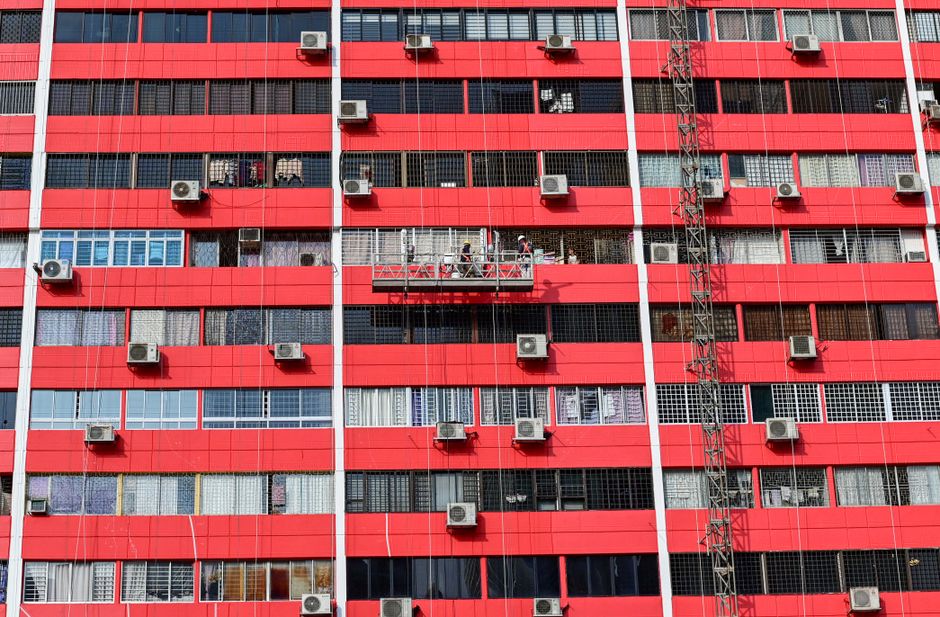
The residential landscape has shifted noticeably too. In Clementi, where HDB blocks dominate the skyline, residents have adapted to increasingly stringent water conservation measures. With Singapore importing 55 per cent of its water from Malaysia and desalination costs rising, residents speak of shorter showers and mindful habits forming almost unconsciously. The average household water consumption has declined to 147 litres per person daily—down from 165 litres a decade ago—but many acknowledge the psychological toll of constant consciousness about resource usage.
Transportation changes have proven perhaps most visible. Along East Coast Road and in the Orchard district, e-scooter and bicycle commuters now navigate alongside traditional vehicles. Younger working professionals express relief at having alternatives to car-dependent commutes, though older residents sometimes struggle with the pace of infrastructure transformation.
Solar panel installations across Housing Development Board blocks, particularly in estates like Pasir Ris and Jurong, have created pockets of innovation. While uptake remains modest—around 500 megawatts capacity by mid-2026—residents who have adopted rooftop solar systems report both pride and practical concerns about maintenance and long-term viability in Singapore's tropical climate.
Community gardens in spaces like Onan Road and the Singapore Botanic Gardens extension areas have flourished, becoming informal hubs where residents learn urban farming. Yet participants acknowledge these initiatives alone cannot meaningfully reduce Singapore's carbon footprint, which remains high at 6.3 tonnes per capita annually.
What emerges from conversations across neighbourhoods is a population caught between enthusiasm for change and realistic awareness of constraints. Residents recognise Singapore's vulnerability to climate impacts—rising sea levels pose existential threats—yet many express concern about equitable transition, particularly for lower-income households bearing disproportionate costs of green initiatives.
This article was compiled by AI from the sources linked above and screened before publishing. See our editorial standards.