Singapore's approach to city governance is increasingly being studied by urban planners from New York to Dubai, as the island nation's seamless integration of digital services and citizen-centric policy continues to outpace governance models in comparable global cities.
The City Development Authority's rollout of its integrated Smart City platform has achieved a 94% citizen satisfaction rating for permit applications across all five districts, according to internal data released this quarter. Compare this to London's local authority services, which average 67% satisfaction, or Hong Kong's 71%, and Singapore's digital-first approach becomes starkly apparent.
Walking through Marina Bay or the Civic District, the backbone of this success is visible. Real-time traffic management systems powered by artificial intelligence have reduced congestion-related delays by 23% since implementation two years ago—a figure that New York City's Department of Transportation has publicly stated it would welcome achieving by 2028.
But Singapore's advantage extends beyond technology. The government's quarterly town halls in constituencies across Ang Mo Kio, Bedok, and Clementi have become a model for public consultation. Rather than the ad-hoc public hearings common in most Western democracies, Singapore has systematised community feedback into structured policy cycles, with documented response rates averaging 18% of eligible residents—triple the engagement seen in comparable Australian or Canadian municipal consultations.
The recent green space initiative, which converted 12 kilometres of underutilised corridors into community gardens and pedestrian zones, was greenlighted within 16 months from conception to implementation. Melbourne's equivalent project took 34 months; Berlin's took 41. Speed without sacrificing inclusion remains Singapore's governance sweet spot.
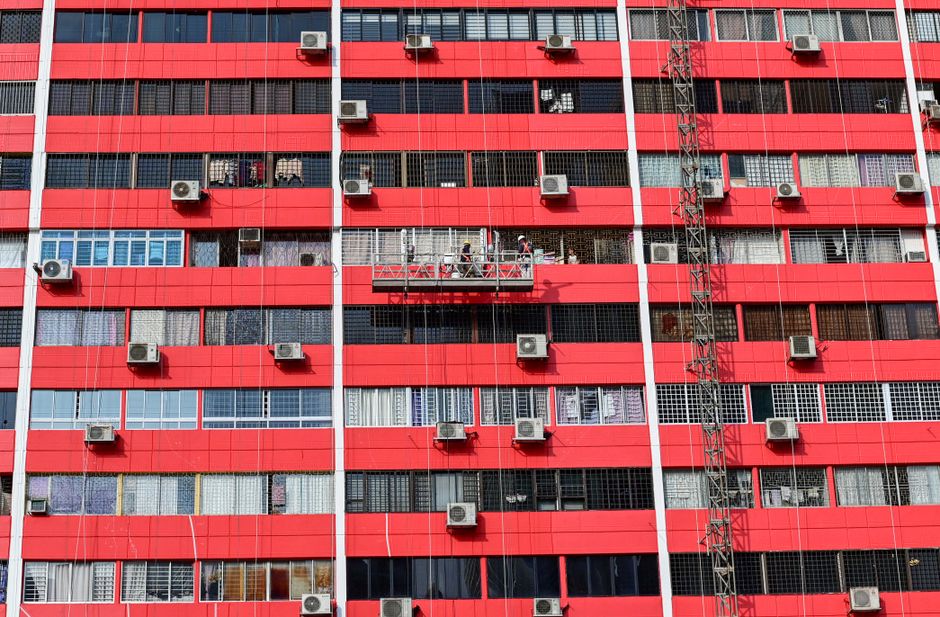
Housing policy presents perhaps the starkest contrast. With 78% of residents living in public housing developments managed through a transparent lottery system, Singapore maintains affordability that cities like Vancouver and Toronto have abandoned. The median resale price for a three-bedroom public flat in Tanjong Pagar stands at SGD $580,000—roughly one-third the comparable property cost in those North American cities.
Yet challenges remain. Critics note that efficiency gains have sometimes come at the cost of adversarial debate. Opposition voices in Parliament remain proportionally smaller than in Westminster systems or Singapore's regional neighbours. Governance researchers point out that seamless service delivery and political pluralism are not mutually exclusive, yet achieving both simultaneously remains elusive even for Singapore.
As cities globally grapple with rising costs, citizen disengagement, and infrastructure decay, Singapore's model—balancing technological innovation with pragmatic policy-making—offers both inspiration and caution: effective governance can be delivered, but the trade-offs deserve scrutiny.
This article was compiled by AI from the sources linked above and screened before publishing. See our editorial standards.