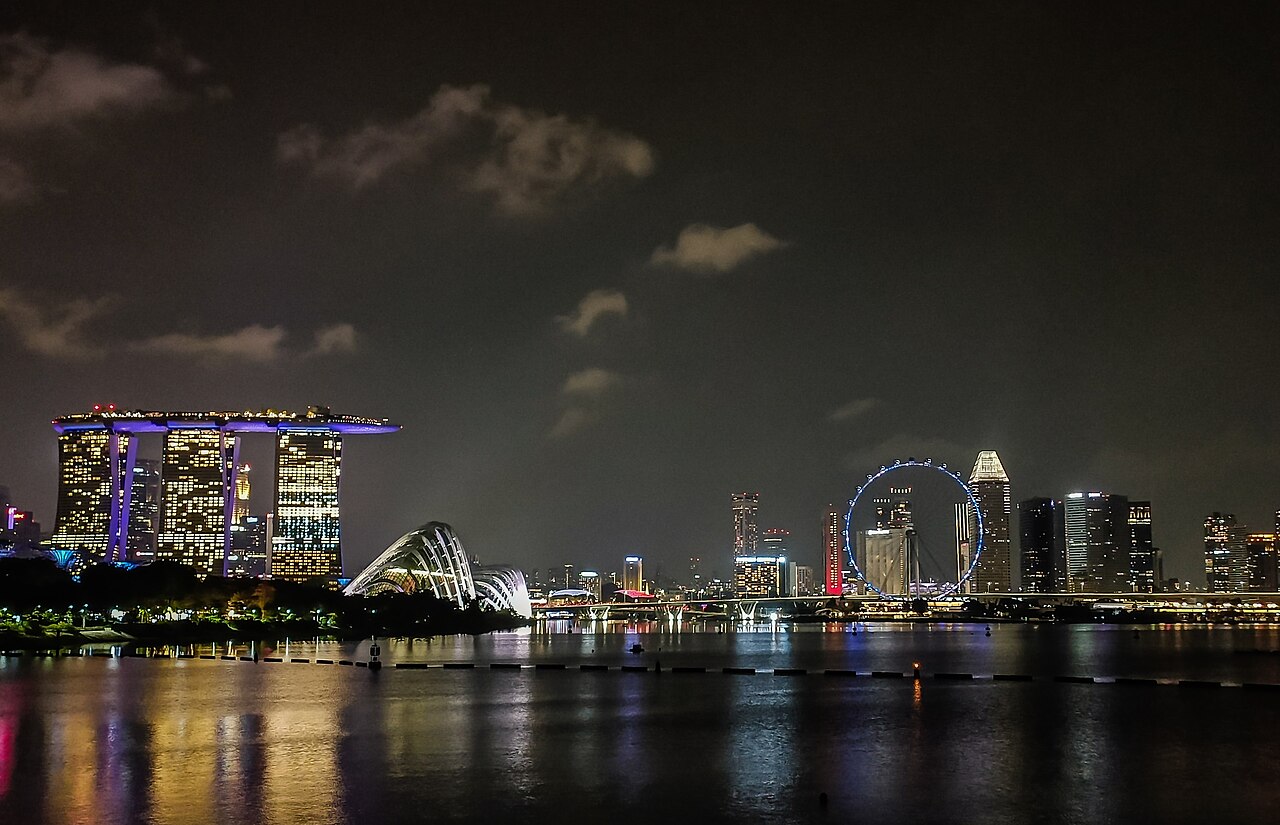
Singapore's commitment to environmental sustainability is no longer just rhetoric—it's measurable in hard numbers, and those figures are reshaping how the island manages its urban footprint.
The National Climate Change Secretariat revealed this quarter that Singapore has allocated SGD 50 million towards green infrastructure projects through 2026, with nearly 40 per cent directed at expanding urban greenery across densely-packed districts like Bukit Merah, Tanjong Pagar, and Kallang. Between 2020 and 2026, the number of rooftop gardens approved by the Urban Redevelopment Authority jumped from 23 to 187—an increase of over 700 per cent that reflects growing acceptance of vertical greening amid land constraints.
Water efficiency tells a particularly compelling story. Singapore's water consumption per capita has dropped to 147 litres daily, down from 165 litres in 2015. The Public Utilities Board reports that since introducing mandatory water-efficient fittings in new residential developments across areas like the Pinnacle@Duxton and recent Housing Development Board blocks in Punggol, average household water bills have declined by 12 per cent. One-third of the island's water supply now comes from recycled sources—NEWater plants currently produce 40 per cent of total supply, a figure projected to reach 55 per cent by 2030.
Waste management data underscores the challenges ahead. Semakau Landfill, which receives approximately 7.2 million tonnes of waste annually, is expected to reach capacity by 2035 at current disposal rates. However, recent figures show waste recycling rates edged up to 59 per cent in 2025, up from 56 per cent two years prior—still below the government's 70 per cent target but demonstrating measurable progress in residential districts from Marine Parade to Choa Chu Kang.
The transportation sector reflects perhaps the most aggressive numerical targets. Singapore has committed to phasing out internal combustion engine vehicles by 2040, with electric vehicles now comprising 2.8 per cent of the active vehicle fleet—up from 0.3 per cent in 2018. The Land Transport Authority's charging infrastructure has expanded to 2,300 public charging points islandwide, with another 1,400 planned by 2028.
What these numbers reveal is a city moving with urgency, if incrementally. The data shows substantial investment and measurable shifts in behaviour, yet also exposes gaps between targets and reality. As Singapore continues its sustainability journey, these statistics—not headlines—will ultimately determine whether the green ambitions of 2026 translate into meaningful environmental gains for future generations.
This article was compiled by AI from the sources linked above and screened before publishing. See our editorial standards.