News
Why Singapore's new hawker centre regulations matter for your meals and pocket
Stricter hygiene standards and rental caps are reshaping the food court landscape—here's what you need to know.
3 min read
Updated 19 min ago
News
Stricter hygiene standards and rental caps are reshaping the food court landscape—here's what you need to know.
3 min read
Updated 19 min ago
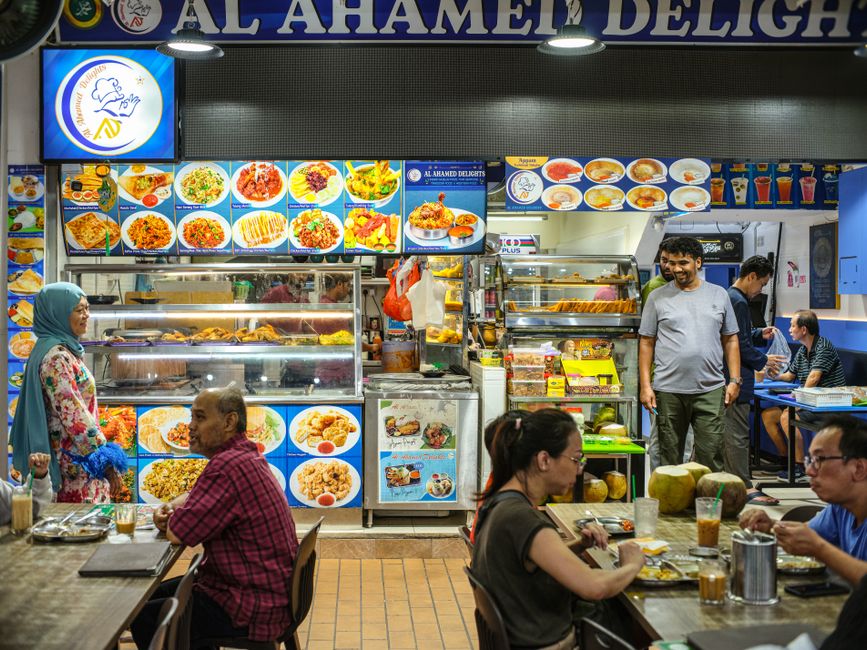
If you've grabbed breakfast at Tiong Bahru Market or lunch at Maxwell Food Centre this week, you might have noticed something different: new hygiene certification stickers and updated pricing boards. The National Environment Agency's latest round of hawker centre regulations, rolled out this quarter, is quietly reshaping one of Singapore's most beloved institutions—and it affects both your wallet and where you eat.
Starting June, all hawker stalls across the island's 114 centres must now display enhanced food safety credentials. But the real story isn't about bureaucracy—it's about affordability and accessibility for residents in neighbourhoods like Tanjong Pagar, Ang Mo Kio, and Clementi, where hawker meals remain the backbone of daily dining for working families.
The regulation introduces rental price caps for stall operators, capping annual increases at 3 per cent for the next three years. For a stall in a prime location like Lau Pa Sat paying $3,500 monthly, this protection matters. "Without this, our operating costs climb faster than we can raise prices," explains the Singapore Hawkers Association, which lobbied for the measure. Historically, rental hikes of 8 to 10 per cent annually have forced veteran operators to retire or relocate to less busy markets.
The community impact is measurable. Data from the Food and Beverage Association shows that in 2022, average hawker meals cost $4.20. Today, with unchecked rental pressures, that figure had crept toward $5.80 in central areas. The new regulations aim to stabilise this at around $5.20—meaningful savings for the 2.2 million residents who eat at hawker centres weekly.
Younger operators, however, face steeper entry costs. The enhanced certification process requires additional training courses, adding roughly $800 to startup expenses. For first-generation entrepreneurs in Yishun or Hougang, this is significant. The Economic Development Board has pledged micro-grants, but uptake remains slow.
The hygiene component—mandatory temperature monitoring, real-time inspection access via QR codes at each stall—should reassure diners worried about food safety. Recent outbreaks at food courts in 2024 and 2025 rattled confidence. Now, a scan of a stall's code at Clementi Market shows live inspection reports from the past 90 days.
For residents, the takeaway is clear: your favourite chicken rice stall in Bedok or the laksa vendor at Golden Mile complex faces new compliance burdens, but rental stability might keep prices from spiking further. It's a delicate balance between protecting hawker culture and ensuring the ecosystem remains viable for the next generation.
The coming months will reveal whether these regulations achieve their dual goal: preserving affordability while modernising safety standards that define how Singapore eats.
This article was compiled by AI from the sources linked above and screened before publishing. See our editorial standards.
News
News
News
News
About this article
Published by The Daily Singapore
Spread the word
Daily brief
Free, in your inbox before 7am. Weekdays.
The Daily Network — local news across Australia