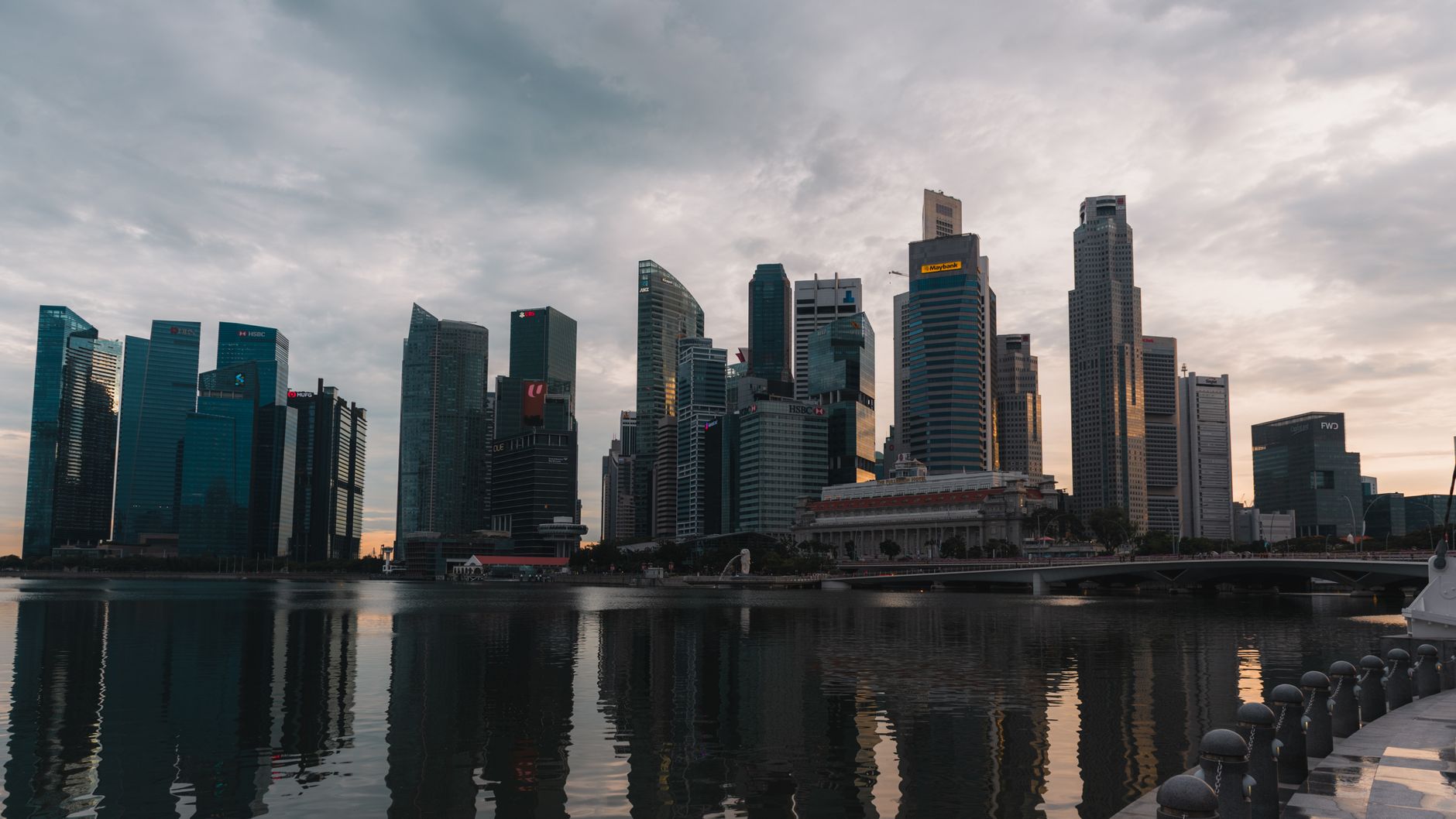
Singapore's commitment to achieving net-zero emissions by 2050 has moved from policy paper to practical implementation, with officials and sustainability experts now laying out frank assessments of what the transition will require across the city-state's economy.
During a recent sustainability summit at Marina Bay Sands, representatives from the Ministry of Sustainability and the Environment outlined Singapore's three-pillar approach: decarbonising the power sector, enhancing energy efficiency in buildings, and developing circular economy capabilities. The city-state, which generates about 95 per cent of its electricity from natural gas and imported renewable energy, faces particular pressure on the energy front.
"We cannot achieve net-zero without fundamentally reimagining how we source and use energy," said a spokesperson from the building and construction authority, noting that the sector accounts for approximately 28 per cent of Singapore's carbon emissions. The authority has mandated that all new buildings meet the Green Mark platinum standard, while existing structures like those along Orchard Road and in the Central Business District must undergo retrofitting.
The property sector, which dominates Singapore's urban landscape, has emerged as both a challenge and opportunity. Commercial building owners report that green upgrades—including smart cooling systems and solar panel installations—typically cost between SGD 800 and SGD 1,200 per square metre, though long-term energy savings offset these expenses within seven to twelve years.
Dr Tan Wei Hao, a climate scientist at the National University of Singapore's Department of Geography, emphasised the importance of waste reduction in achieving broader sustainability goals. "Singapore generates approximately 7.7 million tonnes of waste annually. Without aggressive circular economy measures, particularly in our manufacturing and port sectors, the net-zero target becomes mathematically impossible," he stated in recent remarks to industry leaders.
The Port Authority has signalled significant investments in electric vessel charging infrastructure at Pasir Panjang Terminal, while Jurong Island's petrochemical complex—a major employer and emissions source—is exploring carbon capture and storage technologies. Officials acknowledge these initiatives require substantial capital; preliminary estimates suggest SGD 50 billion in investment across all sectors through 2050.
Smaller businesses in neighbourhoods like Clementi and Tanjong Pagar have expressed concerns about implementation timelines and support mechanisms. A spokesperson from the Singapore National Employers Federation noted that while government grants cover 30 to 50 per cent of sustainability upgrade costs for SMEs, cash flow constraints remain a barrier for smaller operators.
As the nation enters the critical decade for climate action, officials and experts increasingly stress that meeting 2050 targets requires coordinated effort—not just from government or corporations, but across every sector and community in Singapore.
This article was compiled by AI from the sources linked above and screened before publishing. See our editorial standards.