Property
How Singapore's Latest Planning Moves Are Reshaping Neighbourhood Investment
From Tengah's completion timeline to evolving District 9 guidelines, policy shifts are creating fresh opportunities for savvy property investors.
3 min read
Property
From Tengah's completion timeline to evolving District 9 guidelines, policy shifts are creating fresh opportunities for savvy property investors.
3 min read
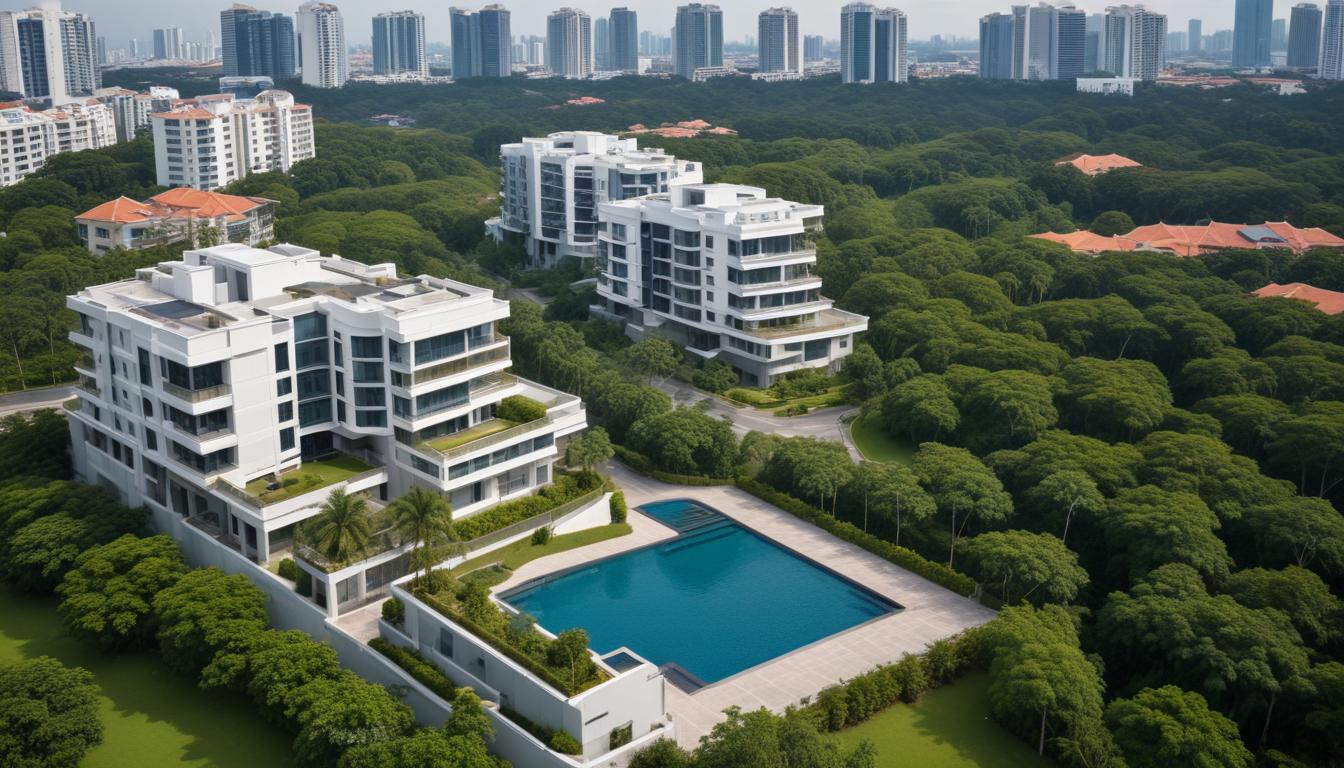
Singapore's property market has always been sensitive to policy signals, but recent planning decisions are creating a compelling case for investors to reassess their neighbourhood strategies. The interaction between Urban Redevelopment Authority (URA) Master Plan updates and Housing Development Board initiatives is reshaping value propositions across multiple hotspots.
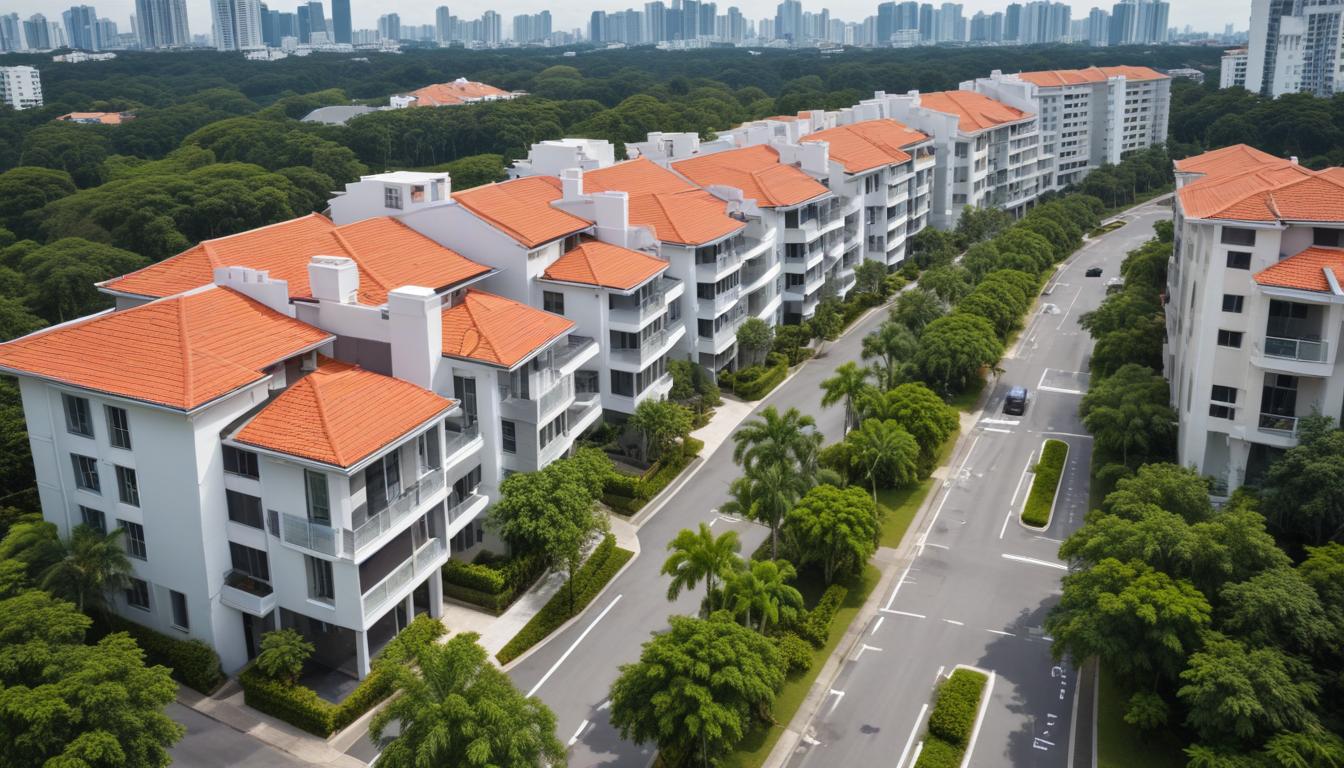
Tengah, Singapore's fifth integrated town, represents perhaps the most visible policy-driven opportunity. Originally slated for completion in 2026, the revised timeline has extended development through 2027, but this has actually strengthened investor confidence rather than dampened it. The delay has allowed better infrastructure coordination—particularly the Tengah-Tuas link and proximity to Jurong Region Line stations—making early-stage Housing and Development Board flats in the area increasingly attractive to upgraders. Current estimates place Tengah HDB prices at approximately SGD 450,000 to SGD 650,000 for four-room units, representing significant value against mature estates like Bukit Timah or Thomson.
More intriguingly, recent URA clarifications on Conservation Area boundaries affecting Jalan Malu, Kampong Glam, and parts of Tiong Bahru have triggered secondary effects. Conservation status restricts bulk residential development but simultaneously protects character, stabilising premium segment prices. Properties along Arab Street and Bussorah Street have seen sustained interest from investors banking on heritage value appreciation.
The evolving approach to mixed-use zones also warrants attention. URA's push toward greater commercial-residential integration in secondary centres like Kallang and Geylang East is fundamentally reframing these neighbourhoods' investment thesis. Previously overlooked by private property investors, these areas now attract interest from developers and individual buyers anticipating future retail and F&B anchor tenancy. A five-room HDB resale in Kallang recently transacted at SGD 580,000—a 12 per cent year-on-year uplift largely attributable to planning certainty around the Kallang River precinct development.
Executive Condominium supply dynamics deserve mention too. HDB's revised EC pricing framework, adjusted following the updated Master Plan's impact on site availability, has compressed the resale premium gap. ECs in Punggol and Sengkang, positioned as natural upgrades from HDB flats, are experiencing steadier transactions as buyers absorb policy changes affecting future supply.
For investors, the takeaway is clear: monitor URA Land Sales Programme announcements and HDB estate rejuvenation schedules. Policy-driven infrastructure investment and zoning clarity often precede price appreciation by 18 to 24 months. Neighbourhoods like Jurong East, where Jurong Region Line development gains momentum, and emerging precincts such as Bidadari offer contrasting risk-reward profiles shaped increasingly by urban planning decisions, not sentiment.
This article was compiled by AI from the sources linked above and screened before publishing. See our editorial standards.
Property
Property
Property
Property
About this article
Published by The Daily Singapore
Spread the word
Daily brief
Free, in your inbox before 7am. Weekdays.
The Daily Network — local news across Australia