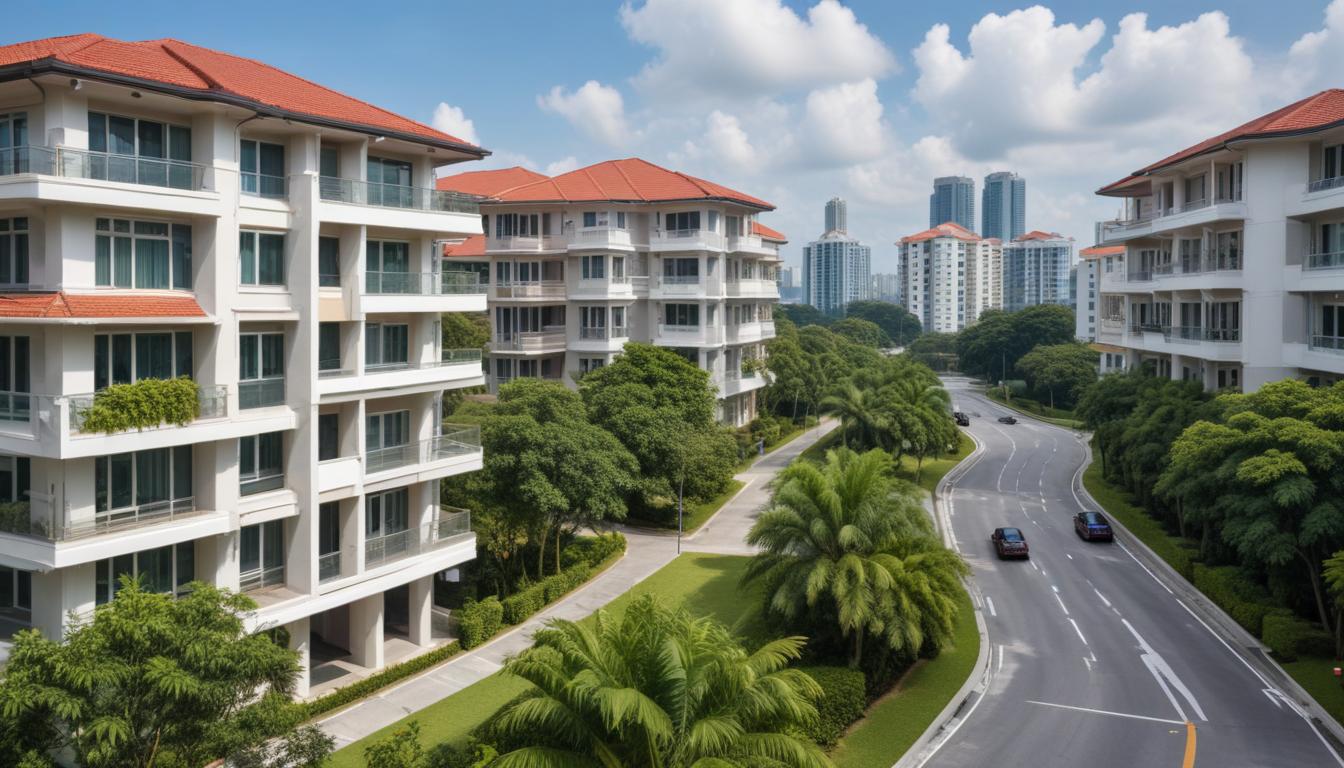
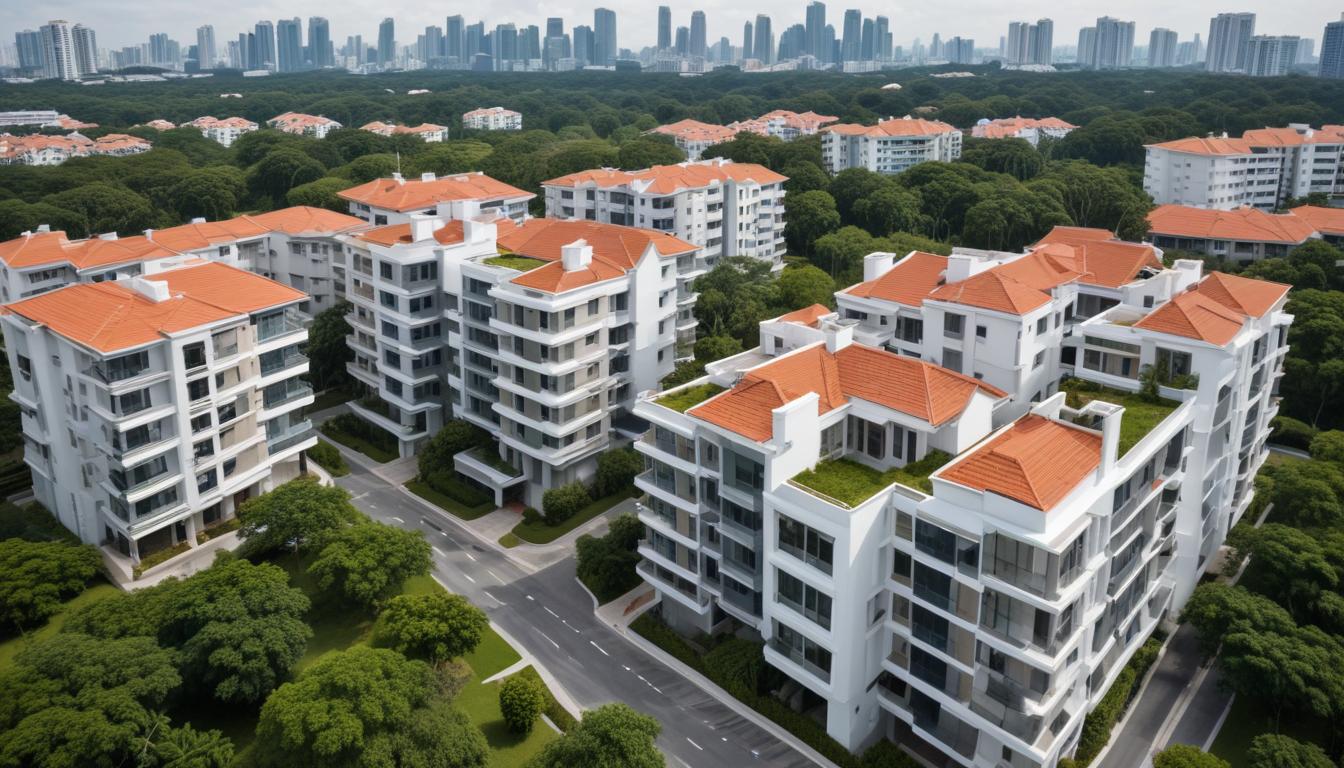
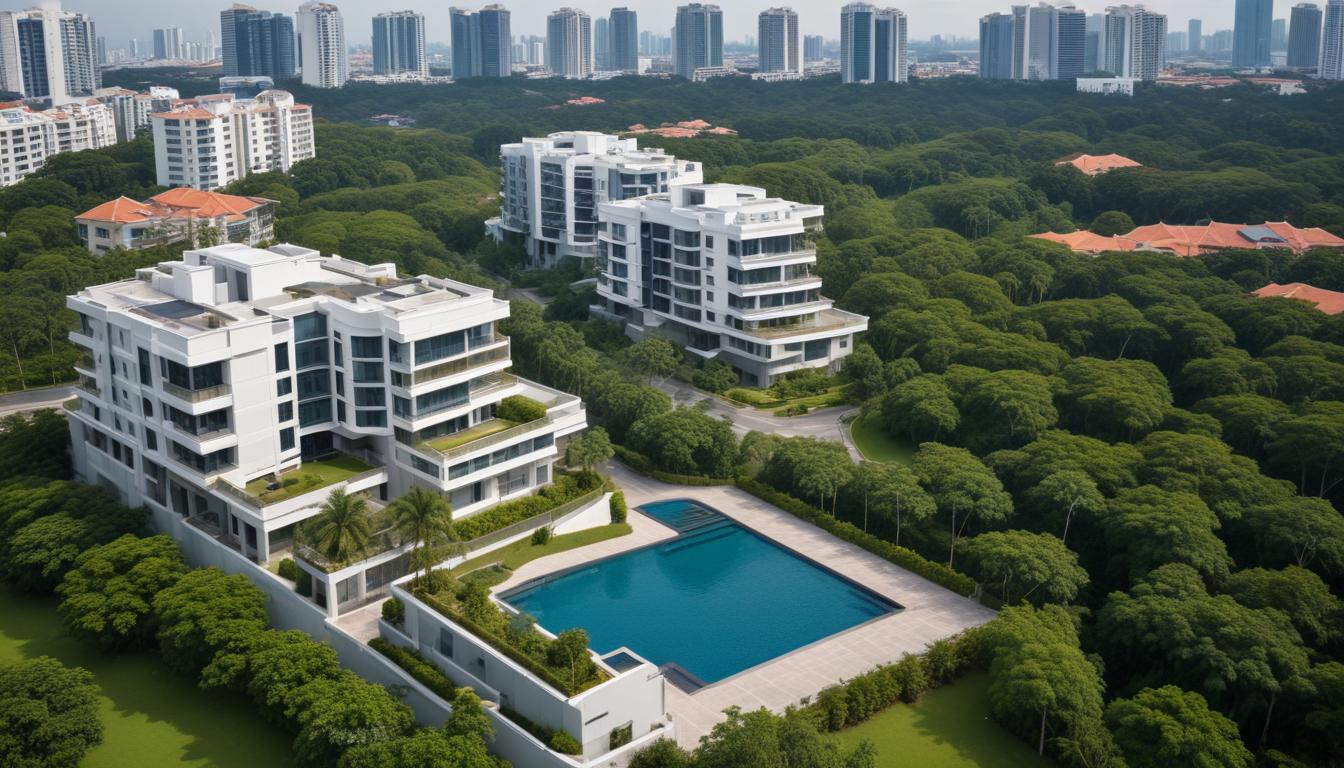
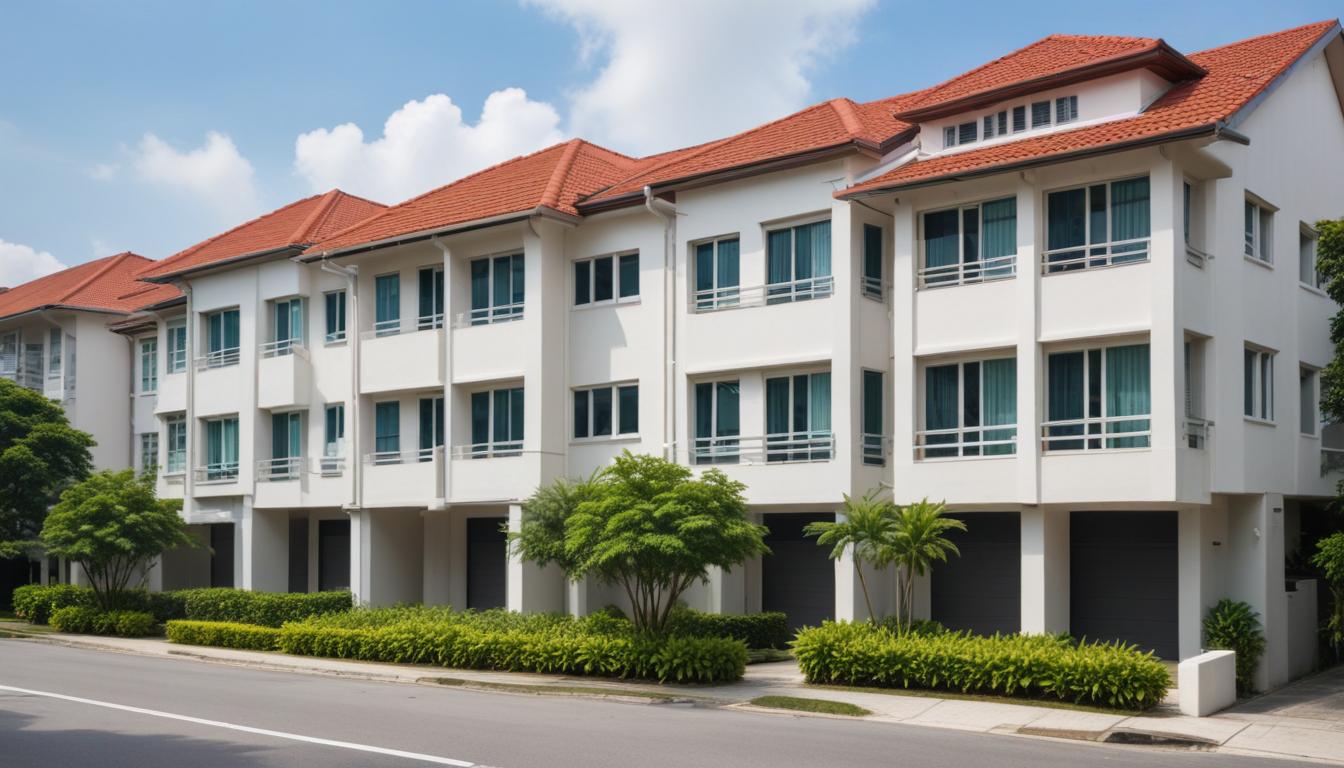
Singapore's property market is sending mixed signals to investors. While headline prices continue their upward march—median condominium prices now hovering around SGD 1.8 million—the returns that drive investment decisions are quietly compressing, reshaping where savvy capital flows.
The yield squeeze is real. Prime District properties in areas like Orchard Road and the Tanglin corridor are delivering rental yields of just 2 to 2.5 percent annually. These districts command premium prices, but landlords are discovering that occupancy demand hasn't kept pace with property valuations. A two-bedroom unit in these ultra-prime zones might rent for SGD 4,500 to 5,500 monthly against a purchase price of SGD 2.2 million or higher—leaving investors with meager percentage returns after accounting for property taxes, maintenance, and agent commissions.
The emerging towns tell a different story. Properties in Tengah and the new Jurong developments are capturing investor attention precisely because of yield potential. While resale prices in these areas remain more accessible—often SGD 1.2 to 1.5 million for three-bedroom units—monthly rentals can command SGD 3,500 to 4,200, translating to gross yields of 3 to 3.5 percent. That differential matters when compounded over decades.
Executive condominiums occupy an interesting middle ground. The hybrid tenure model appeals to upgraders seeking capital appreciation with modest rental income. Recent EC transactions in areas like Clementi and Woodlands have shown pricing ranging from SGD 700,000 to SGD 950,000, with rental yields typically hovering between 2.8 and 3.2 percent—making them increasingly attractive relative to prime districts.
HDB resale properties, meanwhile, continue defying affordability concerns. Four-room flats in mature estates near MRT stations consistently achieve 3 to 3.5 percent yields, though capital appreciation has moderated compared to previous cycles. Investors treating HDB as long-term hold assets rather than quick-flip opportunities report steadier, more predictable returns.
The broader trend is unmistakable: Singapore's property market is bifurcating. Ultra-prime real estate is consolidating into a wealth-preservation asset class with diminishing rental yields. Mid-market and emerging developments are where investors seeking yield returns must hunt. Interest rate cycles, rental demand fluctuations, and cooling measures continue shaping the math.
For investors, the lesson is clear—price and yield are diverging. The days of double-digit returns are distant memories, but for those willing to venture beyond Orchard and Diamond, Singapore's property fundamentals still offer meaningful, if modest, paths to income generation alongside capital growth.
This article was compiled by AI from the sources linked above and screened before publishing. See our editorial standards.