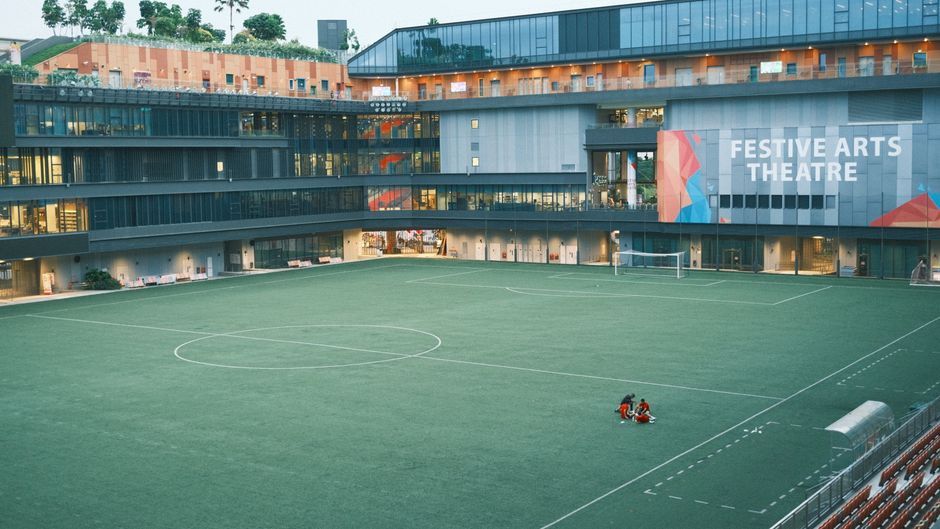
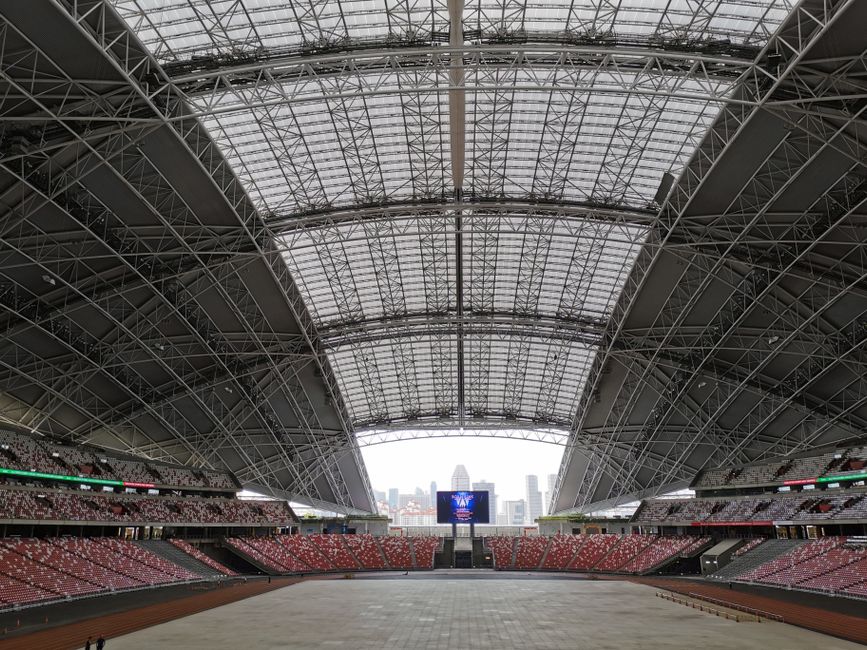
As the calendar flips toward July, Singapore's sporting calendar enters its most intense phase. The National Stadium in Kallang, the iconic 55,000-capacity venue that has anchored the Republic's athletics and football landscape since 1973, is already finalising logistics for what promises to be a blockbuster second half of 2026.
The facility will host the AFF Championship semi-finals and finals across August and September, a tournament that has consistently drawn passionate crowds to the Kallang precinct. Last year's edition saw average attendance figures hovering around 40,000 per match during knock-out stages—a testament to the deep connection Singaporeans maintain with regional football rivalries.
"Venue readiness is critical," explained a spokesperson from the Singapore Sports Hub, the parent organisation overseeing the 35-hectare complex. The Hub's facilities, spanning the National Stadium, Singapore Indoor Stadium on the same grounds, and the Kallang Football Club, require meticulous coordination as events overlap throughout the latter half of the year.
The Singapore Indoor Stadium, with its 10,000-seat capacity, will shoulder badminton's weight. The BWF Singapore Open, traditionally held in June, has been rescheduled to November this year, capitalising on the international circuit's momentum heading toward year-end rankings freezes. Premium tickets for that event have already been pegged at SGD $128 for quarter-finals, rising to SGD $198 for finals nights.
Beyond Kallang, Marina Bay's floating platform will host the Asia Pacific Aquatics Championships in September—an event drawing elite swimmers from across the region. The venue's modular design, first proven during the 2019 Southeast Asian Games, allows rapid conversion between competition modes and public viewing configurations.
Meanwhile, the Changi Exhibition Centre and Singapore Expo halls in Changi Business Park will stage the inaugural Asia Esports Championship finals. What once seemed incongruent with "traditional" sport infrastructure now represents an operational reality—these halls require identical technical rigour to their predecessor events.
Organisers are implementing enhanced crowd management protocols across venues. The National Stadium's recent retrofitting includes expanded food courts near the East and West terraces, addressing congestion during the 2024 football season. Digital ticketing through the Hub's app now represents 73% of all admissions, reducing physical queuing by an estimated 40 minutes per match.
Local hospitality sectors are capitalising accordingly. Hotels along Jalan Besar and Beach Road are reporting 85% occupancy projections for August-September, with tour operators bundling match tickets with accommodation packages.
The financial stakes are equally significant. The National Stadium's operational budget for H2 2026 totals SGD $8.2 million—a 12% increase from the prior year—reflecting infrastructure upgrades and expanded event programming.
For Singapore sports fans, the next four months represent the calendar's most rewarding window: world-class athletics, regional football passion, and the emergence of esports as legitimate stadium entertainment.
This article was compiled by AI from the sources linked above and screened before publishing. See our editorial standards.