Singapore's fitness industry is experiencing a quiet revolution. While global headlines dominate with tales of geopolitical tension and natural disaster, a more intimate upheaval is unfolding in the air-conditioned studios and weight rooms across our island—one that participation data suggests is reshaping how we approach wellness.
Industry figures suggest that gym membership penetration in Singapore has climbed steadily over the past three years, with an estimated 15-18 per cent of the adult population now holding active gym memberships. That may sound modest compared to fitness-obsessed nations like Australia or the United States, but consider the context: in a densely packed city-state where space is currency, this represents a significant behavioural shift.
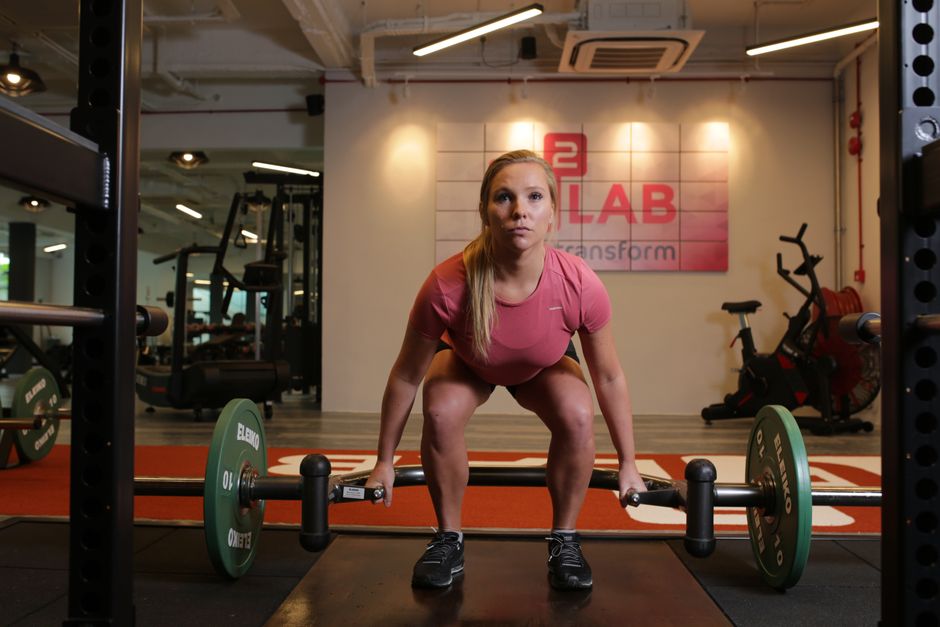
What's particularly telling is where Singaporeans are choosing to train. Premium boutique fitness studios—concentrated around central hubs like Marina Bay, Orchard Road, and the emerging fitness corridor near Tanjong Pagar—are commanding membership fees between $200 and $400 monthly, yet waiting lists remain common. Traditional neighbourhood gyms, meanwhile, are struggling to retain younger members despite lower price points.
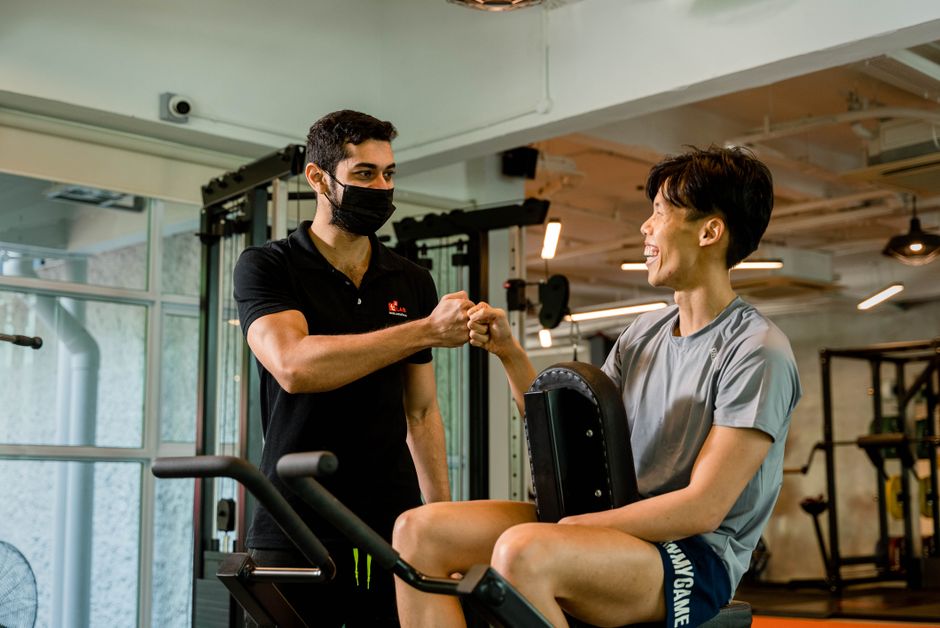
The data reveals generational fault lines. Those under 35 gravitate toward specialised offerings: cycling studios, functional training, and yoga-focused wellness spaces dominate their choices. Members aged 40 and above still prefer full-service gyms with comprehensive equipment, though even this demographic shows increasing interest in group classes and personal training.
Corporate wellness programmes have emerged as a significant driver. Nearly 60 per cent of multinational companies in the central business district now offer subsidised gym memberships or on-site fitness facilities, effectively capturing a captive market. This corporatisation of fitness reveals something deeper about Singapore's working culture: health is increasingly framed not as a personal choice but as professional obligation.
Perhaps most intriguingly, participation data shows a pronounced midweek surge—peak hours cluster around 6 to 7 p.m. on weekdays, suggesting fitness slots fit into rigid schedules rather than leisurely routines. Weekend participation remains comparatively modest, a pattern that distinguishes Singapore from Western markets where weekend warriors flood gyms.
The rise of home fitness technology—app-based training and equipment purchases—complicates the fuller picture. Many Singaporeans, especially those working long hours in the financial and tech sectors, are opting for hybrid models: occasional studio sessions paired with home-based workouts.
What emerges is a portrait of pragmatism. We're not a nation of fitness enthusiasts in the Instagram-narrative sense. Instead, we're a society increasingly convinced that gym participation is non-negotiable maintenance—squeezed into schedules between work commitments and family obligations. That, perhaps, tells us as much about modern Singapore as any other metric we might measure.
This article was compiled by AI from the sources linked above and screened before publishing. See our editorial standards.