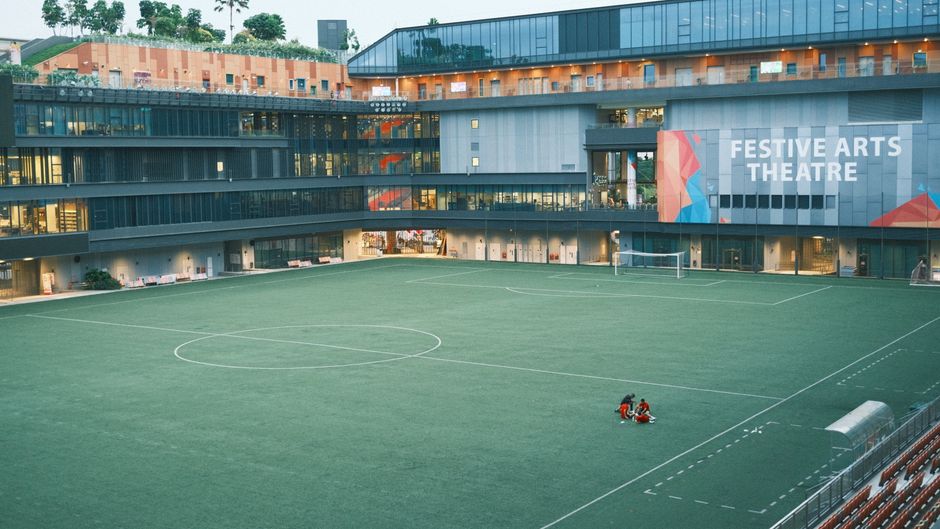
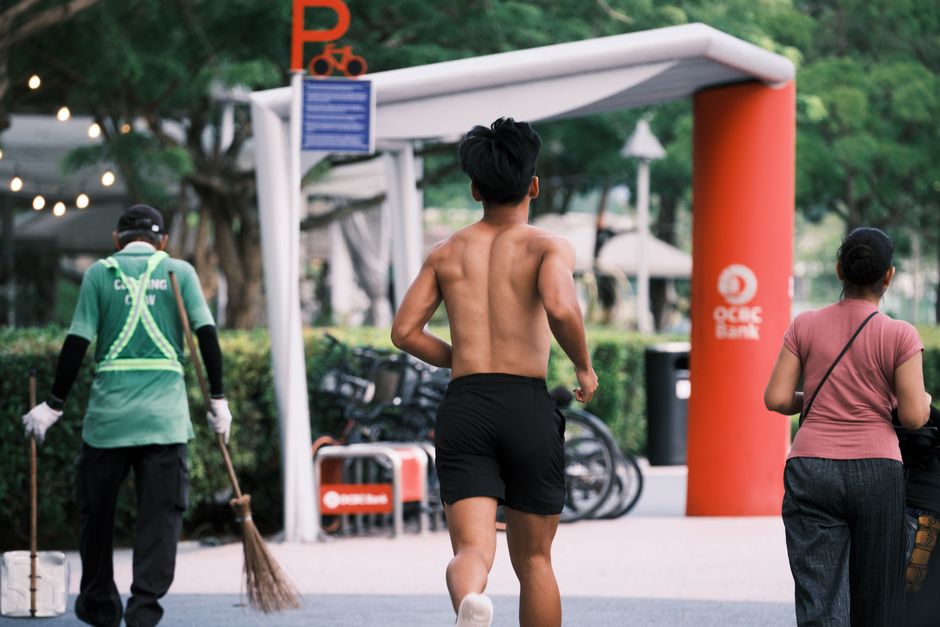
Every Saturday morning at 6:30am, before the Changi Business Park towers cast long shadows across the tarmac, nearly 200 runners gather at the East Coast Park entrance. They're not elite athletes chasing sponsorships. They're nurses, accountants, retirees and students—bound by something simpler: a shared love of moving.
This scene has become emblematic of Singapore's grassroots endurance sport movement, a phenomenon that has quietly transformed how the island nation engages with fitness. What started a decade ago as scattered park runs has blossomed into a structured ecosystem of clubs, training groups and community events that now rival traditional sports establishments in participation and cultural significance.
The numbers tell the story. Singapore's running community alone has swelled to an estimated 150,000 active participants, according to recent surveys by local running clubs. The annual Standard Chartered Marathon attracts over 30,000 registrants, while grassroots cycling clubs report membership increases of 40 per cent over the past three years. Triathlon participation, once niche, has seen similar growth, with more Singaporeans completing their first open-water swims at Sentosa and East Coast than ever before.
The movement's backbone remains decidedly unglamorous. Community groups operating from modest bases—some from Bukit Timah cycling hubs, others coordinating via WhatsApp from Marine Parade void decks—have created a support system that formal sports governance rarely penetrates. Monthly membership fees typically range from S$20 to S$50, making endurance training accessible to working families.
What distinguishes Singapore's grassroots scene is its deliberate inclusivity. Training groups are stratified not by elite performance but by pace, ensuring the 60-year-old completing 5km receives equal encouragement as the sub-40-minute 10km runner. Women-only cycling groups have proliferated across Clementi, Tanjong Pagar and the Kallang region, addressing safety concerns and creating spaces where female participants lead rather than follow.
This democratic approach has produced unexpected dividends. Several nationally-ranked age-group triathletes emerged not from elite academies but from weekend club training sessions. Local races, traditionally organized by commercial entities, now increasingly feature community-led events with minimal sponsorship, kept deliberately affordable.
As Singapore continues positioning itself as a global sports hub, the country's true competitive advantage may lie not in grand infrastructure projects but in the quiet dedication of ordinary athletes transforming their island into a endurance sports nation, one sunrise run, one weekend cycle, one open-water swim at a time.
This article was compiled by AI from the sources linked above and screened before publishing. See our editorial standards.