Sport
Numbers Game: What Singapore's Amateur Sports Leagues Reveal About Our Fitness Culture
Rising participation in recreational leagues across the island shows a city increasingly serious about organised sport beyond the gym.
3 min read
Sport
Rising participation in recreational leagues across the island shows a city increasingly serious about organised sport beyond the gym.
3 min read
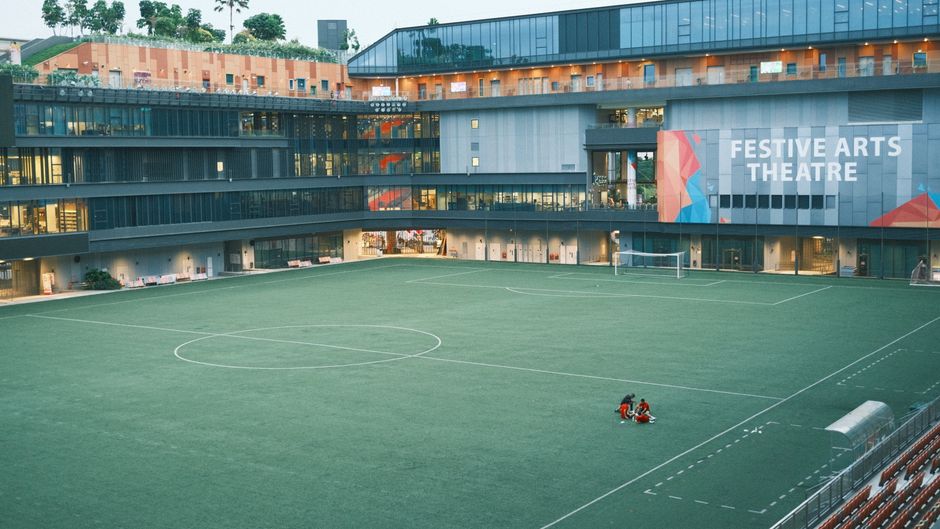
Walk past any football pitch in Bishan on a Wednesday evening, or the badminton courts at ActiveSG centres along the East Coast, and you'll spot something telling: Singapore's amateur sports scene is booming in ways that transcend the usual fitness tracker mentality.
Recent participation data paints a picture of a population moving decisively away from solitary gym sessions towards structured, community-driven competition. The latest figures from Sport Singapore show that recreational league memberships across football, netball, badminton, and basketball have grown 23 per cent over the past three years—a notable jump for a city where space constraints have historically limited organised amateur sport.
The numbers are most striking in football. The Singapore Football Association's community league arm reports nearly 8,000 registered players in their weekend divisions alone, up from roughly 6,500 in 2023. A single evening at Kallang Football Club's sprawling pitches reveals why: teams with names like "Marina Bay Strikers" and "Changi United" cluster across multiple grounds, their players typically aged 25 to 55, many playing twice weekly despite full-time work commitments.
What's particularly revealing is the demographic spread. Participation isn't concentrated among 20-something gym enthusiasts anymore. ActiveSG's recreational badminton and basketball programmes report their fastest-growing cohort is the 40-plus bracket—individuals seeking structured social engagement rather than isolated training.
"We're seeing people invest time and money in something that requires commitment," says a spokesperson from one established amateur league. The average player in mid-tier football leagues pays between $40 and $80 monthly in fees, plus equipment costs—suggesting serious intent beyond casual fitness.
The geographic spread matters too. Beyond traditional strongholds like Clementi and Marine Parade, leagues are now thriving in Punggol and Jurong, areas that until recently lacked organised amateur infrastructure. This suburban expansion suggests the trend reflects deeper cultural shift rather than clustering among early adopters.
Yet data also reveals friction points. Female participation, while growing, remains substantially lower than male participation across most leagues—typically 15 to 25 per cent. This disparity, coupled with venue availability constraints, suggests growth's ceiling remains real.
What emerges is a portrait of a fitness culture maturing beyond individual achievement. Singaporeans increasingly want the discipline of league structures, the accountability of teammates, and the social fabric woven through regular competition. That shift—from solitary to collective, from self-directed to organised—tells us something important about how we now understand wellbeing in our crowded, high-pressure city.
This article was compiled by AI from the sources linked above and screened before publishing. See our editorial standards.

Sport

Sport
Sport
Sport
About this article
Published by The Daily Singapore
Spread the word
Daily brief
Free, in your inbox before 7am. Weekdays.
The Daily Network — local news across Australia