Jurong United's Youth Academy Making Waves: How a Grassroots Club is Reshaping Singapore's Football Pipeline
The Jurong-based outfit's investment in youth development is proving that elite talent doesn't always need to come from the island's traditional academies.
This article was generated by AI from the linked public sources. The Daily Singapore is independently owned and covers Singapore news free from advertiser or sponsor influence. Read our editorial standards →
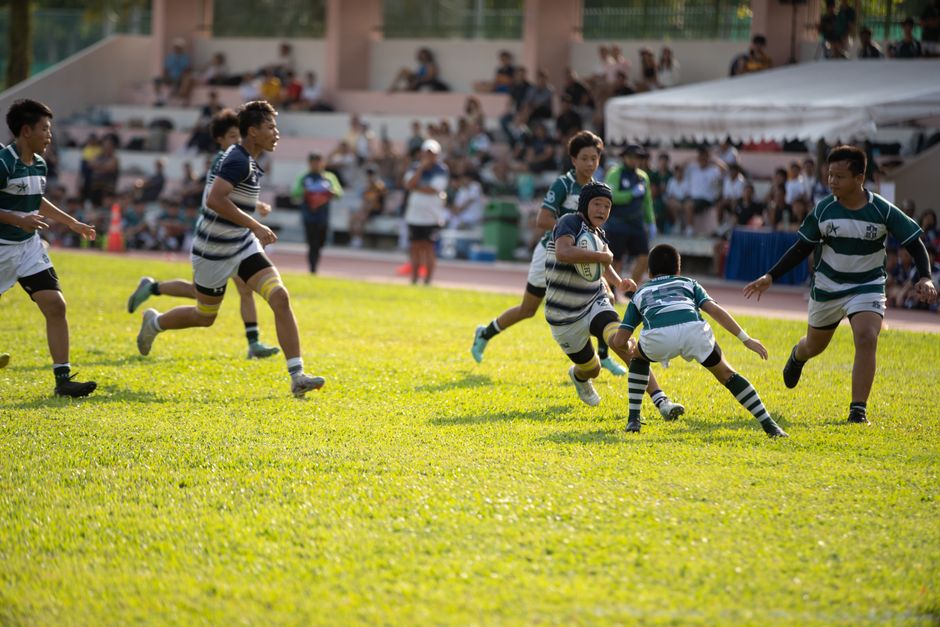
When Jurong United Youth Academy opened its doors at the Jurong Lake District Sports Complex five years ago, few expected the modest grassroots operation to become one of Singapore's most talked-about youth development programmes. Today, the club's U-16 and U-18 teams are not only dominating local leagues but attracting attention from scouts across the region—a remarkable trajectory for an outfit that started with just three pitches and a team of volunteer coaches.
The academy, which operates from facilities near the Jurong East MRT station, currently manages over 200 young players across eight age groups. What sets them apart in a crowded local landscape isn't flashy infrastructure or big-name signings, but rather a deliberate, long-term approach to player development. The annual membership fee of $1,200 remains significantly below the $2,500-$3,500 charged by Singapore's established academies, making elite training accessible to families across all income brackets in the Jurong and Bukit Batok areas.
This summer, their U-18 side clinched the National Youth League with a 3-1 victory over ITE East, a triumph that sent shockwaves through local youth football circles. The win was particularly noteworthy because it marks the first time in seven years that a club outside the traditional big three—FA Centre, Balestier Khalsa Youth, and SG United—has captured the crown. Three players from that squad have already signed contracts with professional clubs, including one offer from a Malaysian Super League side.
The secret, according to parents and former players interviewed, lies in the club's emphasis on technical development over raw competition. Training sessions at the Jurong facility focus heavily on small-sided games, tactical awareness, and ball retention—a far cry from the win-at-all-costs mentality that has long dominated grassroots football here. The academy employs five full-time coaches, supplemented by a rotating network of semi-professional instructors from the local community.
For Singapore's youth sports ecosystem, the Jurong United model raises important questions about accessibility and talent identification. The island's National Sports Plan has long prioritized centralized academies, yet this grassroots success suggests that distributed, community-based development could unearth talent currently overlooked by traditional pathways. As more young athletes from the western corridor gravitate toward Jurong Lake District, expect the conversation around youth football development in Singapore to shift considerably.
This article was compiled by AI from the sources linked above and screened before publishing. See our editorial standards.
Covering sport in Singapore. This article was generated by AI from the linked sources and was not reviewed by a human editor before publishing. See our editorial standards.