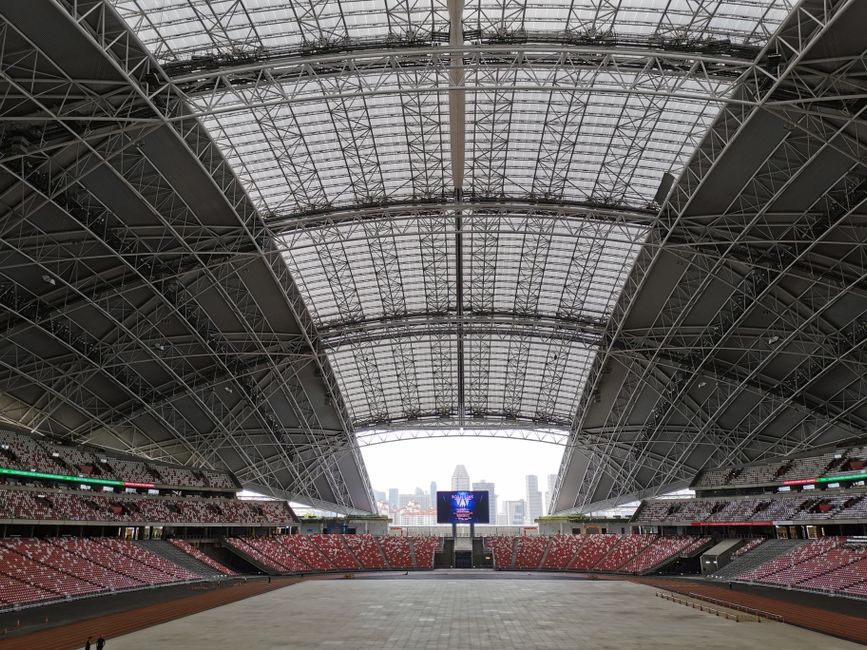
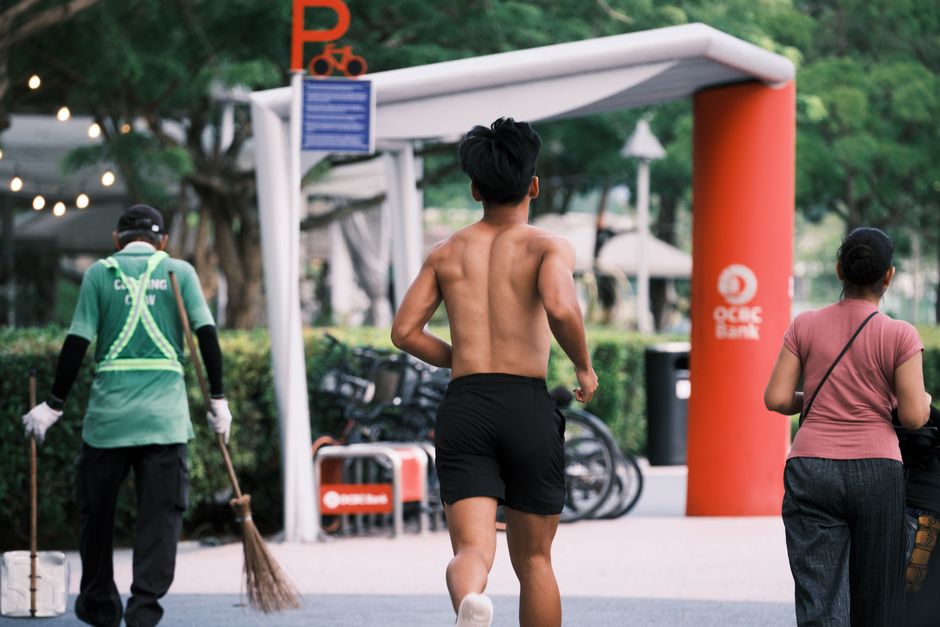
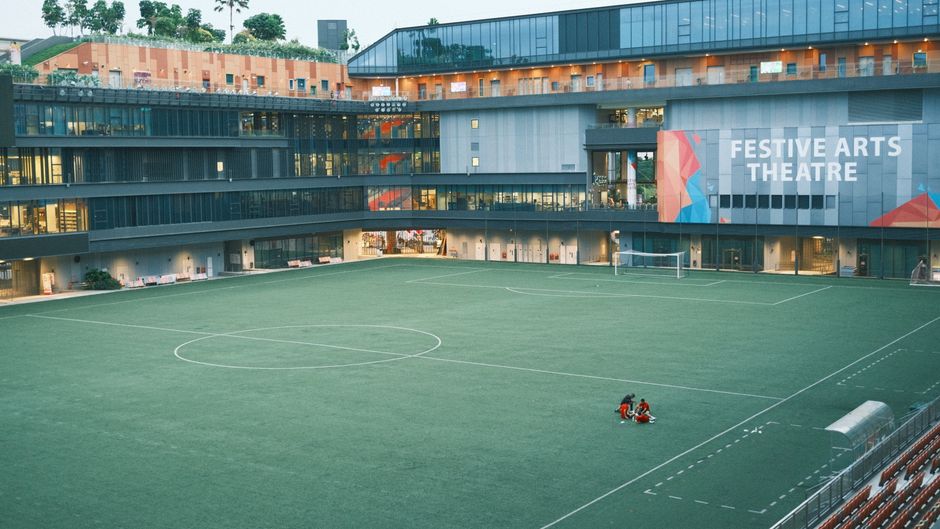
While the roar of crowds at the Singapore Sports Hub dominates headlines, a quieter revolution has been unfolding across the island's neighbourhoods—one badminton court, one basketball hoop, and one determined coach at a time.
The grassroots sports movement in Singapore tells a story often overshadowed by flagship venues like the National Stadium and OCBC Arena. Yet it is in the heartlands—from Clementi to Pasir Ris, Bukit Merah to Woodlands—where the real foundation of Singapore's sporting culture is being laid.
Community centres across Singapore host over 2,000 regular sports programmes weekly, according to SportCare data, serving more than 50,000 participants annually. Many of these programmes charge between $30 and $80 per month, making elite training accessible to families across income brackets. ActiveSG, the national movement launched a decade ago, has expanded to 62 locations, including swimming complexes in Tanjong Rhu and Hougang, badminton halls in Bukit Batok, and table tennis centres scattered throughout the eastern zones.
The Jalan Besar Stadium precinct, traditionally known for football, has become a hub for community engagement. Surrounding it, the 3km radius encompasses three neighbourhood badminton courts, two multi-purpose halls, and a network of primary schools hosting weekend sports clinics. Young athletes from nearby Kallang constituency who cannot afford private coaching—which runs $60-$150 per hour—benefit from subsidised programmes where qualified coaches volunteer time.
Organisations like the Geylang Serai Community Club have pioneered integrated models, combining Malay cultural heritage with modern sports science. Their netball and sepak takraw programmes attract participants from as far as Serangoon, with annual fees kept deliberately modest at $50-$100.
The impact is measurable. Last year, 73 athletes who trained through grassroots programmes secured places in national development squads. The movement has also widened participation—female athletes now represent 48 per cent of ActiveSG participants, up from 38 per cent in 2020.
Yet challenges persist. Facility maintenance remains an issue, with some void deck courts in mature estates requiring refurbishment. Volunteer coach burnout is real; many dedicate 10-15 hours weekly without compensation. Demand for evening slots at popular locations like Clementi Sports Centre far exceeds supply.
As Singapore prepares for major international events in coming years, the conversation about legacy increasingly turns to grassroots infrastructure. The real victory, however, may not be measured in medals alone, but in the number of children discovering sport as a pathway to health, discipline, and community.
This article was compiled by AI from the sources linked above and screened before publishing. See our editorial standards.