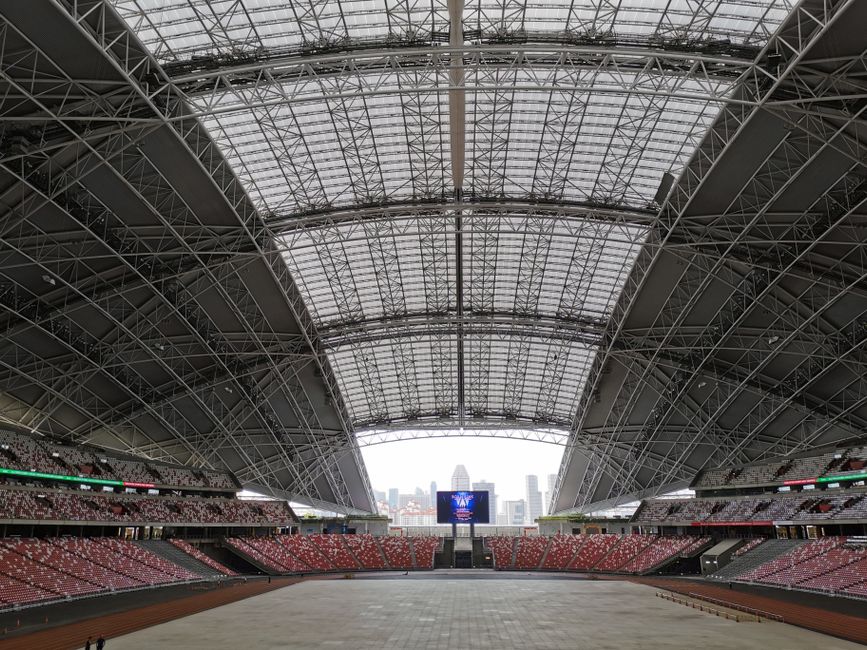
Singapore's endurance sports landscape has undergone a quiet revolution over the past five years, and the numbers tell a compelling story about how Singaporeans are choosing to stay fit.
Recent participation data from local running clubs, cycling groups and triathlon organisers reveals a marked shift towards structured, community-driven endurance activities. The Sunday morning tableau along East Coast Park and the expanding cycling trails around Pulau Ubin now attract thousands weekly—a far cry from the solitary jogger of a decade past.
Running clubs affiliated with the Singapore Road Runners Association have seen membership grow by roughly 40 per cent since 2021, with particularly strong uptake among professionals aged 25 to 45. Popular weekend gathering spots like the Padang near the National Museum and the Bukit Timah Nature Reserve now host informal group runs with 50 to 150 participants. Entry fees for organised races—typically ranging from $35 to $80—have barely deterred participation; the recent East Coast Park Half Marathon drew over 8,000 runners.
Cycling has experienced similarly robust growth. The expansion of park connector networks, particularly the newly enhanced Kallang River Park Connector and the Eastern Coastal Loop, has coincided with a 35 per cent increase in casual cycling participation among households, according to recent Sport Singapore surveys. Bike shops along Geylang and near Tampines Industrial Estate report steady demand for entry-level road and hybrid bicycles priced between $500 and $1,500.
The triathlon sector, once niche, now represents one of the fastest-growing segments. The Singapore Triathlon Federation reports that participation in sprint-distance events has nearly doubled since 2023. The Changi Beach triathlon, held annually, now attracts international competitors alongside local age-groupers seeking to test themselves across swimming, cycling and running disciplines.
What does this data suggest about Singaporean fitness culture? First, there is clear appetite for social, structured physical activity—the communal aspect matters as much as the exercise itself. Second, accessibility matters: races and group activities priced within reach of middle-income families generate stronger participation than premium-only events. Third, infrastructure investment yields measurable returns; improved cycling paths and park connectors directly correlate with sustained participation increases.
Yet challenges remain. Participation remains concentrated among English-speaking, relatively affluent demographics in central and eastern zones. Heat and humidity continue to shape training schedules, with early morning sessions dominating. Healthcare concerns also loom; ensuring adequate medical screening for participants remains essential.
As Singapore continues urbanising, these endurance sports offer Singaporeans a way to reclaim outdoor space, build community, and pursue personal challenges—all within their own neighbourhoods.
This article was compiled by AI from the sources linked above and screened before publishing. See our editorial standards.