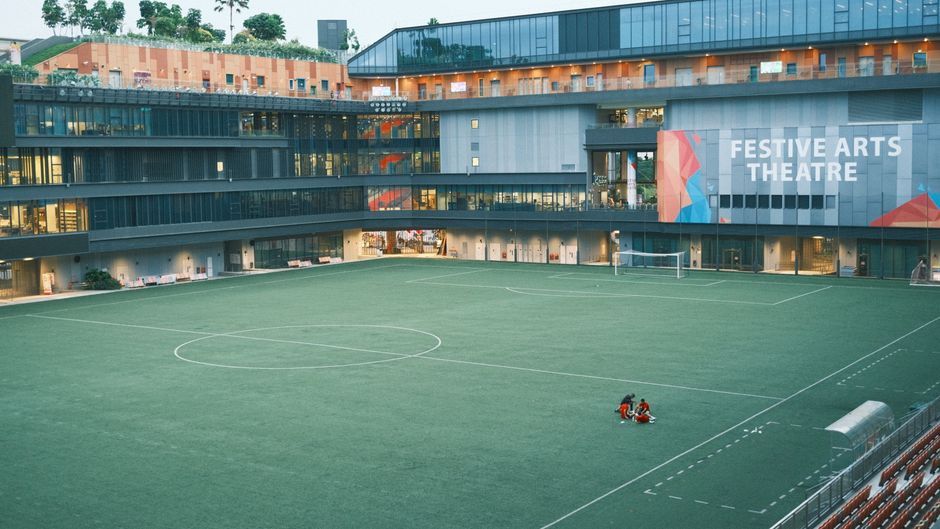
Walk past Bishan Park on any Sunday morning, and you'll spot dozens of amateur football clubs setting up cones and running drills. The scene repeats itself across Kallang, East Coast Park, and the Padang—a shift in Singapore's fitness culture that participation data is only just beginning to quantify.
The Singapore Sport Institute's latest recreational participation survey, released earlier this year, shows an encouraging trend: amateur league membership has grown by 23 per cent over the past three years, with badminton, football, and running clubs leading the charge. More telling is the demographic spread. While recreational sport participation has traditionally skewed toward younger professionals, the data reveals a marked uptick among those aged 45 and above, suggesting that amateur leagues are no longer seen as the exclusive domain of the twenty-something crowd.
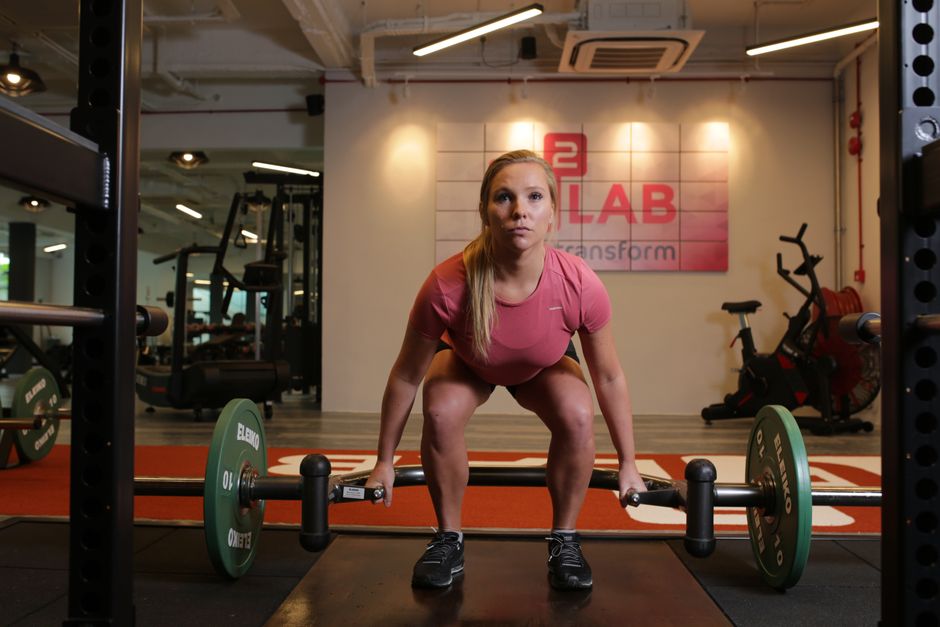
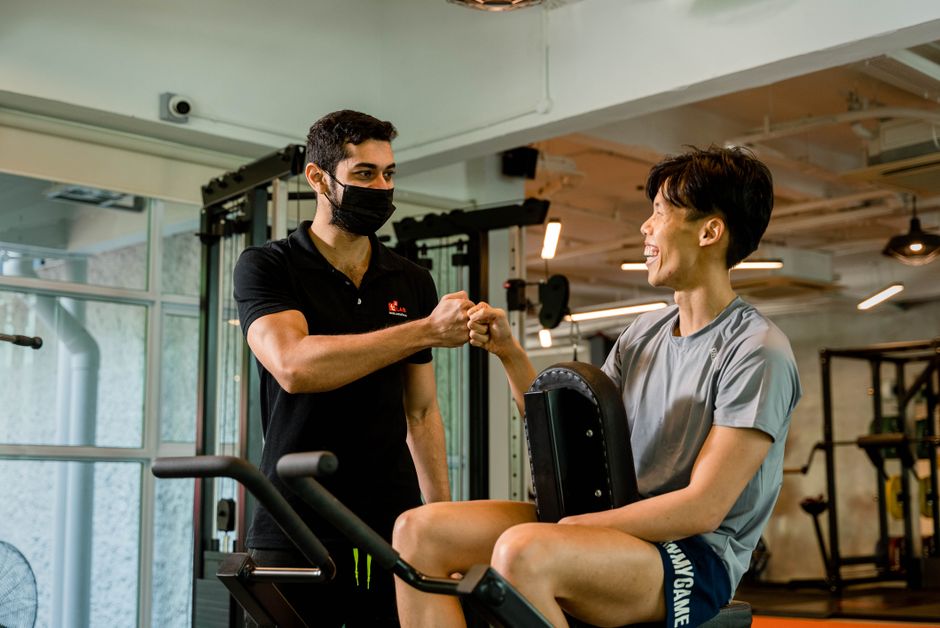
"We're seeing clubs in Marine Parade and Tanjong Rhu that didn't exist five years ago," notes an administrator at one of Singapore's largest amateur badminton networks, which now boasts membership across six indoor venues islandwide. Entry fees for casual leagues typically range from $15 to $40 per session, making participation far more accessible than premium gym memberships that can exceed $100 monthly.
What the numbers also reveal is a preference for structured community over solitary training. Boxing clubs in Geylang and Clementi report waitlists extending into months. Amateur cycling clubs operating out of areas like Bukit Timah and Woodlands have grown their membership base by nearly 40 per cent since pandemic restrictions lifted. Even niche sports—ultimate frisbee leagues in the West and dragon boat clubs based at Marina Bay—are drawing steady crowds.
The trend reflects broader lifestyle values. Rather than pursuing fitness as an individual metric, Singaporeans increasingly view recreational sport as a social anchor—a way to build networks while maintaining health. This explains why apps connecting amateur players to flash pickup games in neighbourhood courts have gained traction, particularly among those seeking flexibility without long-term club commitments.
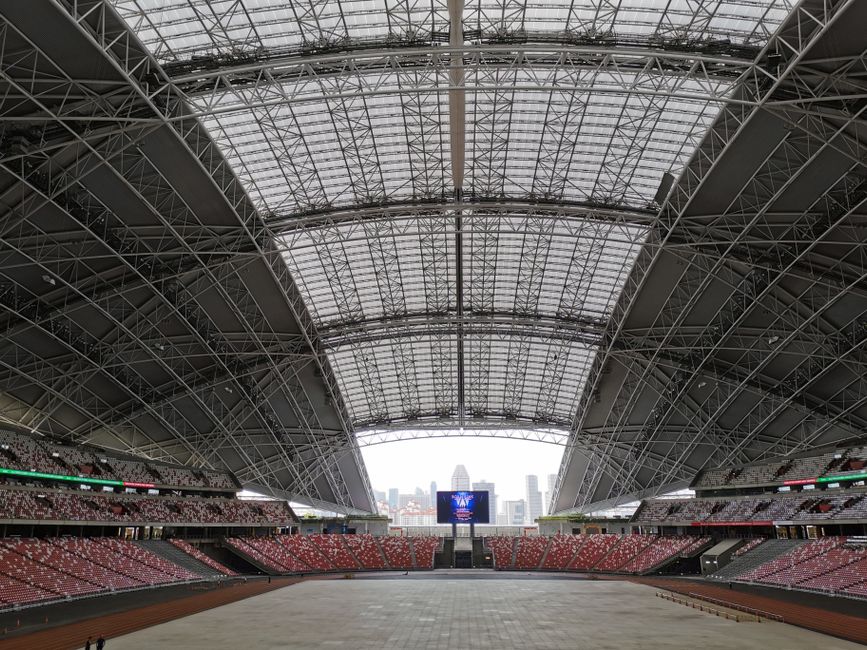
Infrastructure plays a role too. Renovation of community centres across constituencies like Bedok, Hougang, and Bukit Batok has opened new training spaces, whilst enhanced booking systems for stadiums and courts have made organising amateur tournaments less cumbersome. The Sports Hub at Kallang continues to serve as an epicentre, but grassroots activity is increasingly distributed across the island.
As participation data accumulates, one pattern emerges clearly: Singaporeans are not retreating into private gyms. They're heading to parks, courts, and fields—together.
This article was compiled by AI from the sources linked above and screened before publishing. See our editorial standards.