On any weekday evening, the basketball courts at Clementi Sports Centre hum with the sound of squeaking sneakers and rattling chains. Among the teenagers shooting hoops is a quiet energy—the same force that has quietly reshaped Singapore's sporting landscape over the past decade. These are not elite academy players, but neighbourhood kids who discovered their passion through programmes run entirely by volunteers and modest community grants.
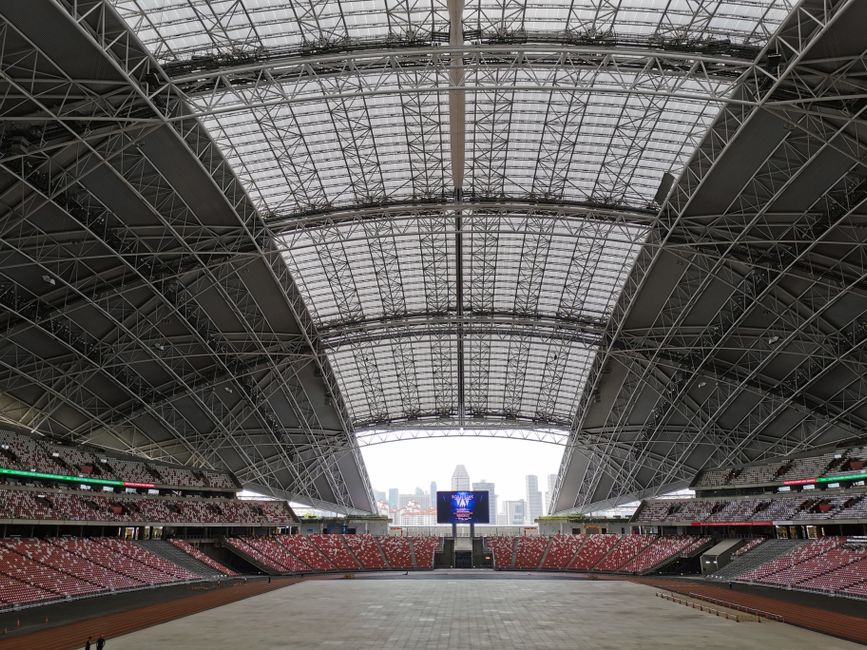
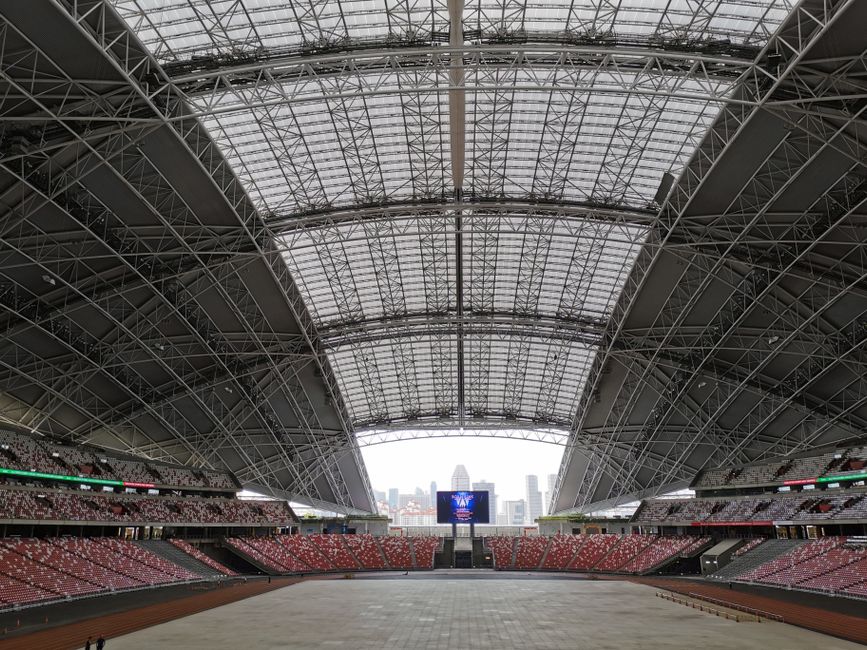
The grassroots sport movement in Singapore has become the unsung backbone of the nation's athletic success. While major venues like the National Stadium and Singapore Indoor Stadium capture headlines with international tournaments, the real story unfolds in the void decks of Housing and Development Board flats across Bedok, Toa Payoh, and Bukit Merah, where Community Development Councils and grassroots organisations have democratised access to sport.
According to Sport Singapore's 2025 Community Sport Report, participation in organised neighbourhood sports clubs has surged 34 per cent since 2020. Programmes like the SportCare initiative, which subsidises coaching for low-income families, have enabled over 15,000 children annually to access training that costs as little as $30 per term. This accessibility has proven transformative: coaches at venues like the ActiveSG centres report identifying talent early, with many participants eventually progressing to national-level competitions.
What makes this movement remarkable is its organic nature. Community sport leaders—many working second jobs or volunteering entirely—have created networks that feed talent upwards. A badminton enthusiast in Jurong East might coach twenty children at a local community club; the top talent graduates to district-level competitions, and eventually, national teams. The Singapore Badminton Association now attributes 40 per cent of its junior squad recruitment to grassroots programmes.
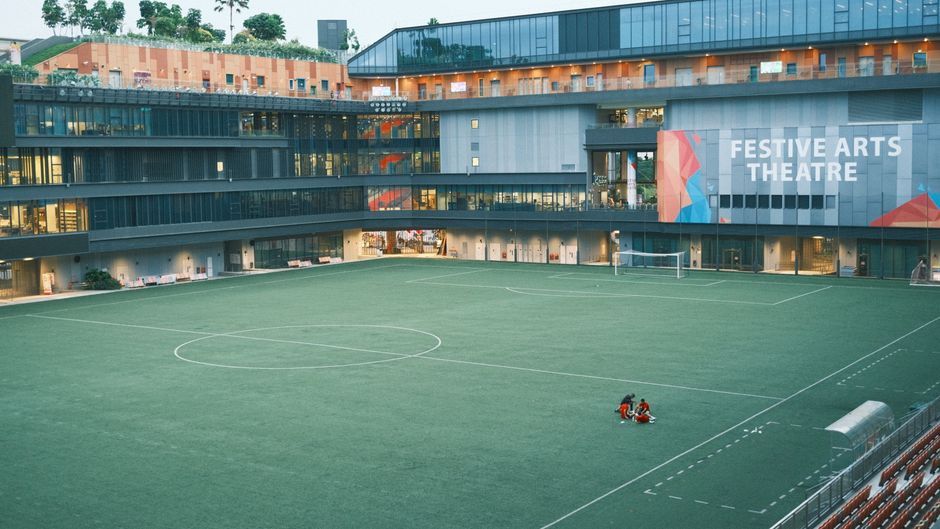
The venues themselves tell this story. Multipurpose halls in Housing Board neighbourhoods have been retrofitted with basic equipment. The Tanjong Pagar Community Club, established in 1987, now runs seventeen different sports programmes. East Coast Park has become an informal incubator for swimmers and cyclists, where morning training groups gather before dawn, supported by volunteer coaches and parents.
Yet challenges persist. Funding remains unpredictable, relying heavily on donations and CDC budgets. Many volunteer coaches lack formal certification. Socioeconomic disparities still limit opportunities in outer estates, despite expanding schemes.
Still, as Singapore prepares to host regional championships and develops Olympic aspirations, policymakers increasingly recognise a truth long known to neighbourhood sports leaders: elite athletics don't emerge from marble stadiums alone. They emerge from concrete courts, determined volunteers, and communities that believe every child deserves a shot at greatness.
This article was compiled by AI from the sources linked above and screened before publishing. See our editorial standards.