Walk past the Tanjong Rhu swimming complex on a Saturday morning, and you'll witness the invisible machinery that powers Singapore's sporting ambitions. Dozens of young swimmers, many aged eight to twelve, cut through the chlorinated waters under the guidance of volunteer coaches—part of a grassroots movement that extends far beyond the gleaming National Stadium or the newly renovated Marina Bay sports precinct.
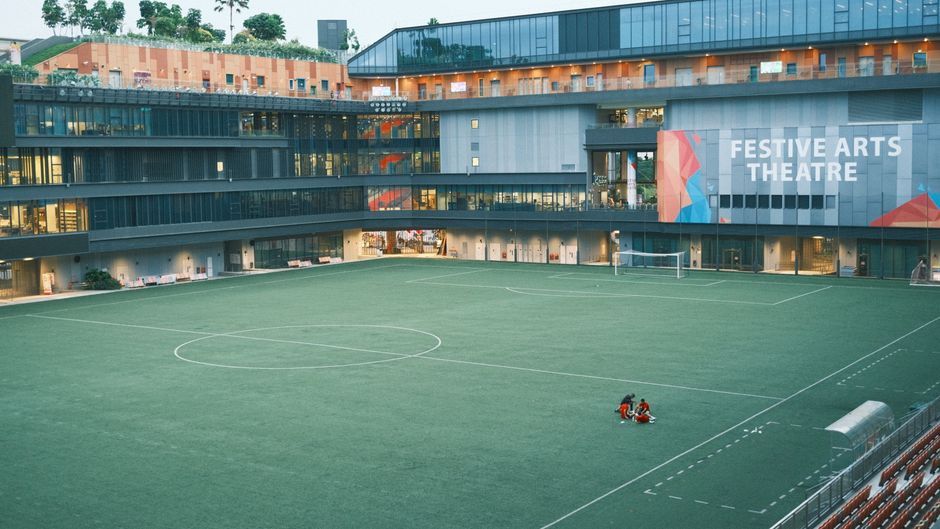
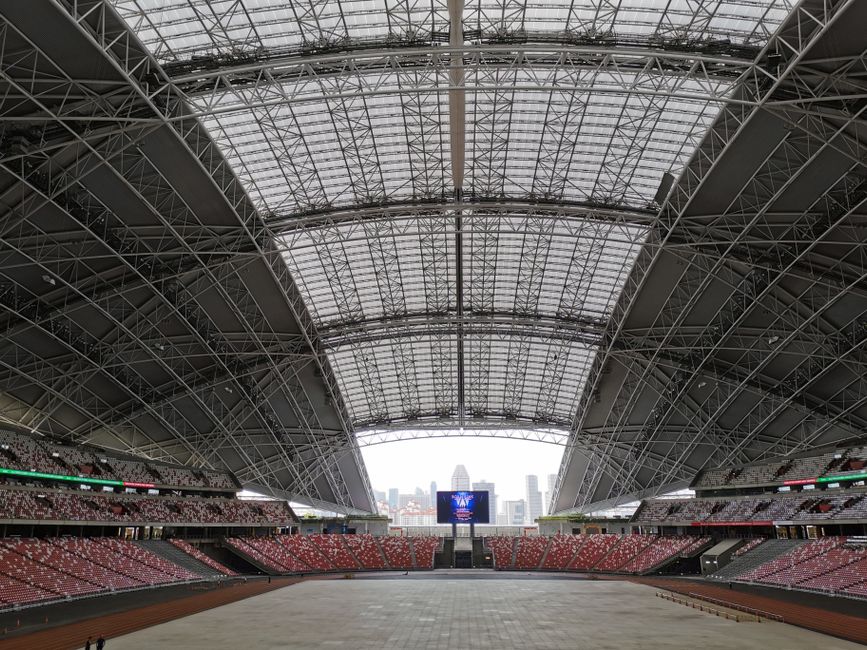
Singapore's major venues—the 55,000-capacity National Stadium in Marina South, the OCBC Arena in Kallang, and the various centres scattered across Bedok, Jurong, and the East Coast—represent the apex of our sporting infrastructure. Yet the true foundation lies in the neighbourhood enclaves where sport takes root: the badminton courts at Clementi Community Club, the basketball hoops at Pasir Ris, the running groups that gather at East Coast Park every dawn.
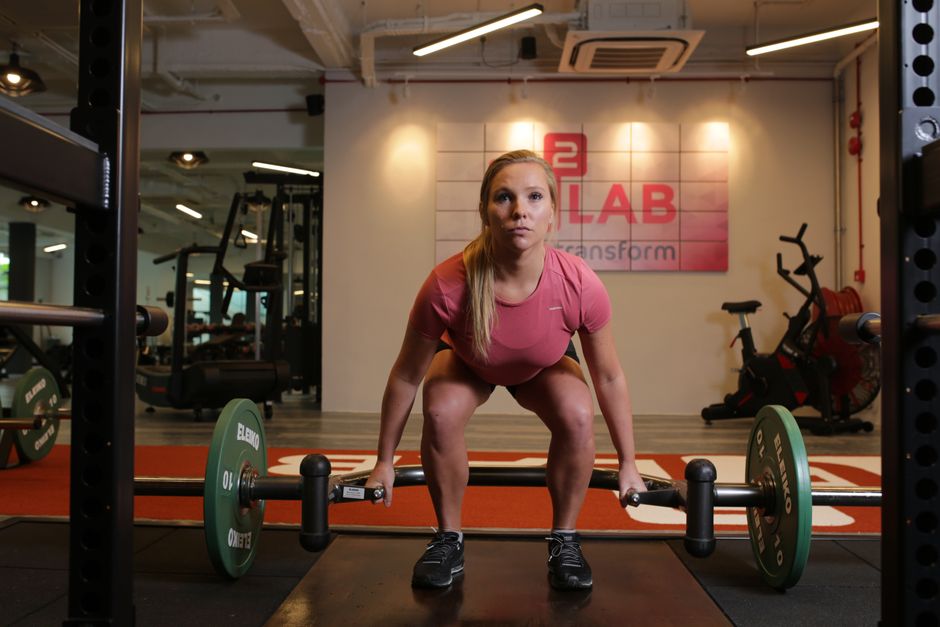
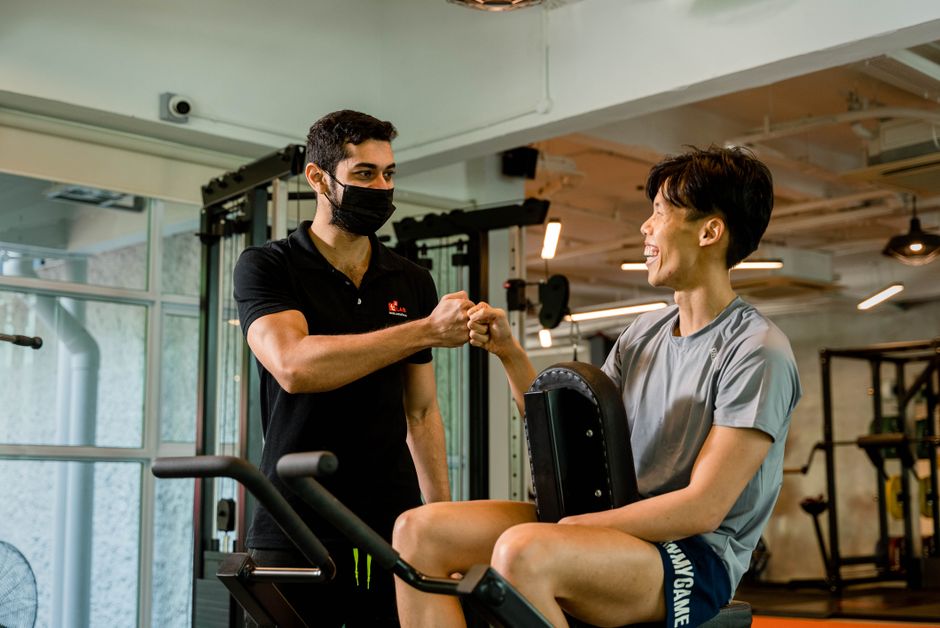
This grassroots ecosystem has become increasingly vital. According to Sport Singapore's latest participation data, approximately 57 per cent of Singaporeans engage in some form of physical activity weekly—a figure that would be significantly lower without the accessibility and affordability of community-based facilities. A year's membership at a neighbourhood club costs around $200 to $400, compared to premium private gyms charging three times as much.
The impact is measurable beyond participation rates. Organisations like the Singapore Cycling Federation and various community running clubs have cultivated talent pipelines that have produced medallists at regional and international competitions. The NextGen badminton programme, run largely by volunteer coaches across HDB-adjacent sports centres, has become a talent factory for the national team.
What makes this movement distinctive is its hyperlocal nature. In Bukit Merah, the table tennis community at the constituency's sports complex operates with such grassroots energy that it rivals private academies. Similarly, the swimming clubs at Woodlands and Yishun have developed young athletes who've competed at SEA Games level, their journeys beginning in municipal pools, not Olympic-standard facilities.
As Singapore continues investing in major venues for international tournaments—the upcoming regional championships will utilise facilities across the island—stakeholders increasingly recognise that these showcase events depend on the unglamorous work happening in neighbourhoods. The volunteer coaches, the community club committees, the parents who drive children to weekly training sessions at venues without premium branding: they are the bedrock.
The National Stadium may capture headlines, but Singapore's sporting future is being built, quite literally, in the heartlands.
This article was compiled by AI from the sources linked above and screened before publishing. See our editorial standards.