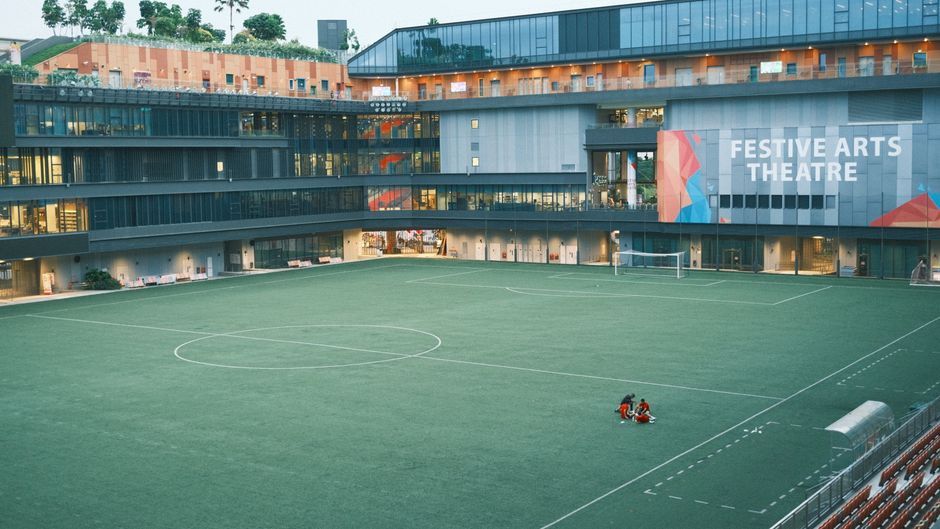
On any given Saturday evening, the futsal courts at Our Tampines Hub hum with energy. Teams in mismatched jerseys—office workers, students, retirees—crowd the sidelines, cheering as a defensive midfielder slots the ball past a goalkeeper who works in logistics by day. This scene, replicated across dozens of neighbourhoods island-wide, reflects a quiet boom in Singapore's recreational sports landscape.
Amateur sports clubs and leagues have experienced remarkable growth over the past three years, particularly following the easing of pandemic restrictions. The Singapore Sports Council's latest participation surveys indicate that grassroots sports engagement has grown by approximately 22 per cent since 2023, with neighbourhood clubs and amateur leagues driving much of this expansion.
Take the Bukit Timah Rangers Football Club, one of dozens operating within the heartland. Established in 2019, the club now boasts over 150 registered members across three competitive divisions, playing weekly matches at the Bukit Timah stadium. Monthly membership fees range from $30 to $50, making participation accessible without demanding professional commitment. "What started as a handful of friends meeting up has evolved into something that genuinely strengthens our community," explains the club's administrative structure, reflecting a pattern seen across similar organisations.
The economics are straightforward: rental costs for community facilities range from $50 to $150 per hour depending on location and amenities. Clubs offset expenses through modest membership fees, match participation charges, and occasional sponsorships from local businesses. Many operate on volunteer management models, with enthusiasts dedicating time to fixture coordination, equipment maintenance, and social organising.
East Coast's badminton community presents another compelling case study. Badminton courts at venues like the East Coast Sports Complex maintain waiting lists during peak evening hours, with amateur doubles leagues running continuously from Tuesday through Saturday. Participation costs remain low—court rental typically $8 to $12 per person per session—enabling regular players to engage at minimal financial burden.
Beyond sport itself, these clubs function as critical social infrastructure. For working professionals juggling demanding careers, amateur leagues provide structured respite and camaraderie. For younger players, they offer pathways toward skill development outside formal coaching ecosystems. For older adults and retirees, they create purpose-driven social networks that combat isolation.
The trend reflects broader shifts in how Singaporeans prioritise wellness and community connection. While elite sports capture headlines, it is these unglamorous neighbourhood clubs—operating in HDB void decks, community centres, and local pitches—where the genuine fabric of sporting Singapore is woven. As participation continues climbing, these humble institutions prove that thriving communities need not depend on grand stadiums or professional franchises.
This article was compiled by AI from the sources linked above and screened before publishing. See our editorial standards.