Singapore's football participation numbers paint a striking picture of a nation reassessing its relationship with fitness. Fresh data from the Football Association of Singapore released this month shows registered players across all age groups have grown 34 per cent since 2023, with women's participation nearly doubling—a shift that suggests Singaporeans are increasingly drawn to communal, purpose-driven activity over solitary gym sessions.
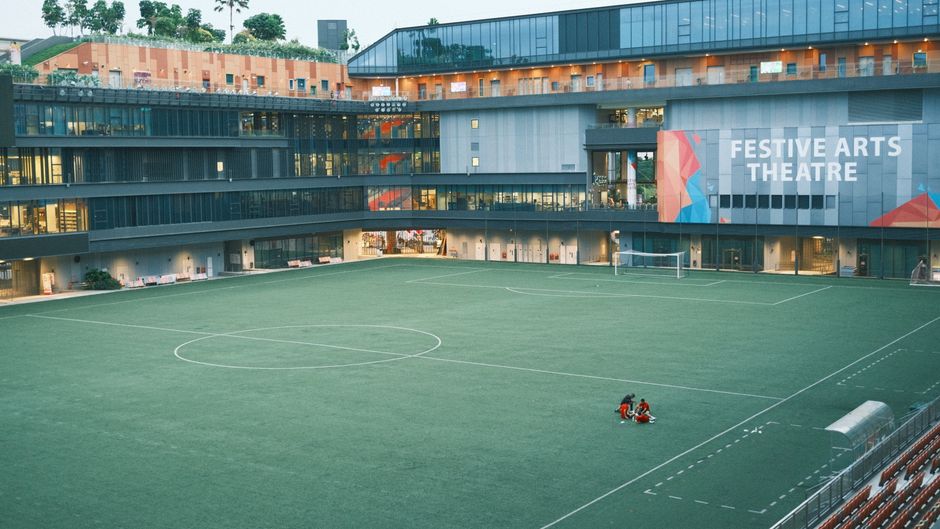
The numbers are most dramatic at grassroots level. Weekend futsal courts at Jurong East Sports Centre and Kallang Football Hub now operate at near-capacity most evenings, with waiting lists for league spots. The Singapore Premier League's affiliated district clubs report membership applications up significantly, while amateur leagues operating from Bukit Batok to Bedok have expanded their divisions to accommodate demand. What's remarkable is the demographic: working professionals aged 25–45 now represent the fastest-growing segment, many combining evening matches with their desk jobs.
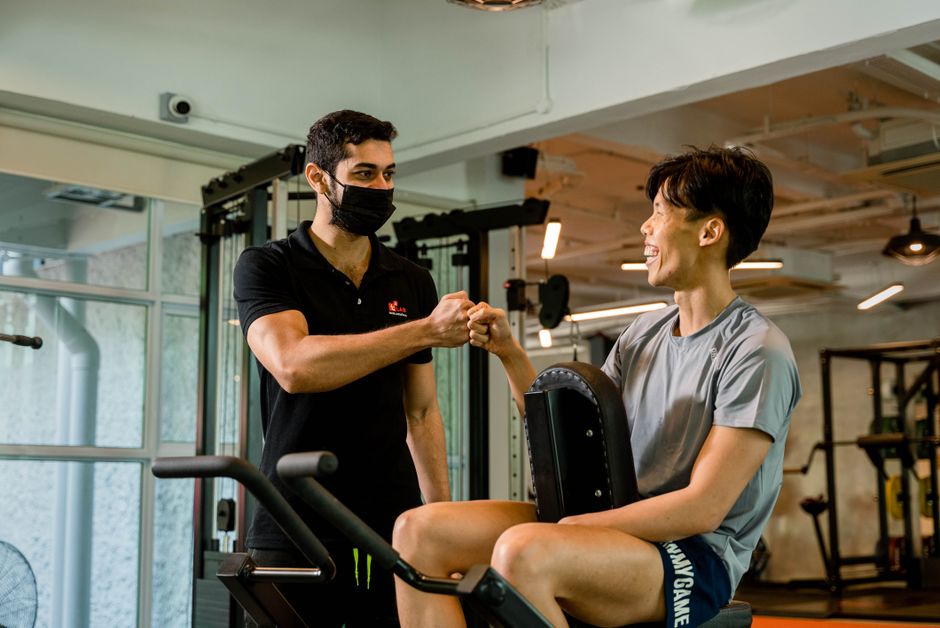
This trend mirrors a broader pattern emerging across Singapore's fitness landscape. While premium gym memberships have plateaued, community sports participation has become the unexpected growth engine. Industry observers attribute this partly to cost—a regular place in a neighbourhood football league costs around $400–600 per season, considerably less than annual gym memberships—but the real appeal appears psychological.
"People are craving structure and belonging," says a representative from the Singapore National Olympic Council, reflecting on anecdotal feedback from clubs. Football delivers both: a defined commitment, a team identity, and measurable progress that gym attendance simply doesn't provide.
The data reveals interesting geographic patterns too. East Coast and Clementi have seen particularly sharp upticks, likely reflecting the concentration of young families and working-age residents in these areas. Meanwhile, participation among under-12s has surged following the National Football Academy's expanded development programmes at community centres island-wide.
For the local sports ecosystem, the implications are significant. It validates long-standing arguments from grassroots advocates that investment in accessible, community-centred football infrastructure pays dividends—not just in terms of talent pipeline, but in public health outcomes. It also suggests that Singaporeans are beginning to reject the purely individualistic model of fitness that defined the previous decade.
Whether this momentum translates into sustained growth, or reflects a temporary post-pandemic appetite for social activity, remains to be seen. But for now, the packed pitches across Bukit Timah, Tanjong Rhu, and beyond suggest Singapore's fitness culture is becoming decidedly less solitary and considerably more collective.
This article was compiled by AI from the sources linked above and screened before publishing. See our editorial standards.