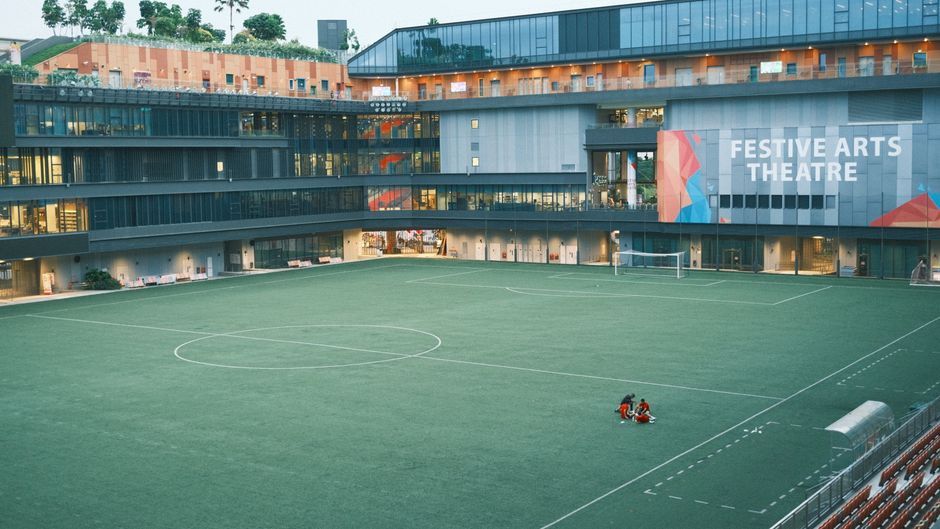
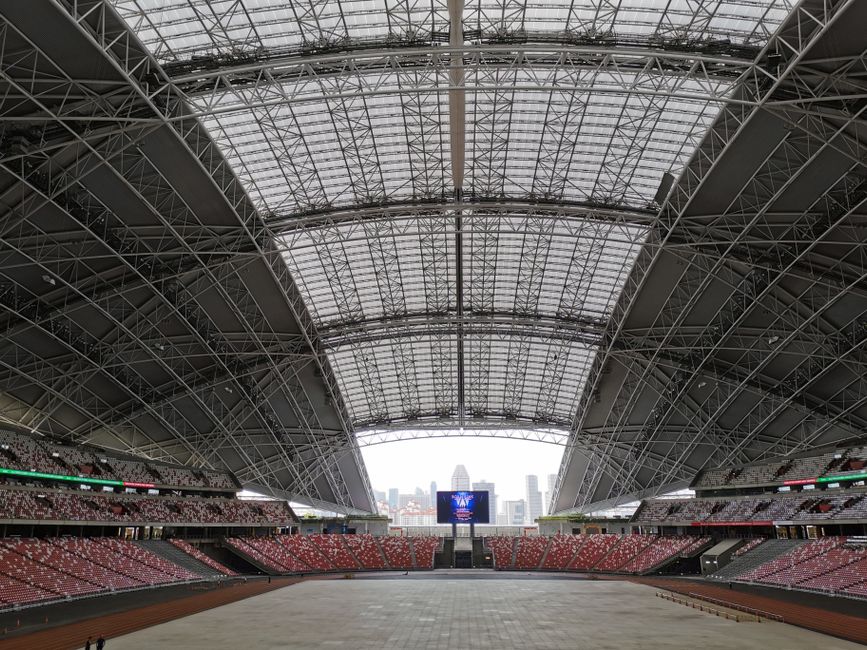
Walk past the sprawling sports complexes in Kallang or Bishan on any weekday evening, and you'll see them: clusters of young athletes in training kits, parents lingering by pavilions, youth coaches barking instructions across sun-bleached fields. The scene has become so commonplace that it's easy to miss a quiet revolution unfolding in Singapore's grassroots sports landscape.
Latest participation data from the Singapore Sports Council paints an intriguing picture. Youth enrolment in structured club sports has climbed steadily over the past five years, with particular gains in rowing at East Coast Park, badminton at Joo Chiat Complex, and swimming programmes across HDB heartland facilities. A 2025 survey of 3,000 families revealed that 62 per cent of children aged 8-17 participate in at least one organised sport—a jump from 54 per cent in 2021.
But the numbers tell a more nuanced story than simple growth. Participation remains concentrated among mid-to-upper income households, with private club memberships and intensive coaching programmes increasingly shaping elite pathways. A typical year-round commitment to competitive youth badminton or tennis in Singapore now runs between $2,500 and $5,000 annually—a barrier that quietly excludes many families in neighbourhoods like Geylang, Tanjong Pagar, and parts of Clementi.
Tellingly, community club participation—the traditional engine of grassroots development—has plateaued. Enrolment at statutory boards like the People's Association sports clubs showed modest growth of just 2.3 per cent last year, suggesting that families with resources are increasingly opting for specialist private academies. The shift reflects a broader pattern: Singapore's fitness culture is becoming more professionalised, more expensive, and paradoxically, more stratified.
What does this mean on the ground? Visit Tanjong Rhu or Clementi Sports Complex and you'll observe the reality: children from affluent districts rotate through multiple sports with dedicated coaches, while talented young athletes from working-class areas often have fewer structured options beyond school teams.
Sports administrators and club directors acknowledge the tension. Several grassroots initiatives—including expanded subsidised programmes at Kallang and a new youth badminton academy near Potong Pasir—attempt to broaden access. Yet the participation data suggests cultural expectations are shifting faster than policy can adjust.
The numbers, in short, reveal a youth sports ecosystem bifurcating along socioeconomic lines. It's growth, certainly—but growth weighted heavily toward those already positioned to benefit.
This article was compiled by AI from the sources linked above and screened before publishing. See our editorial standards.