From Urban Walls to Island Peaks: How Singapore's climbing infrastructure is scaling new heights
A boom in indoor facilities and outdoor routes across the island is transforming Singapore into a regional hub for serious climbers and adventure athletes.
This article was generated by AI from the linked public sources. The Daily Singapore is independently owned and covers Singapore news free from advertiser or sponsor influence. Read our editorial standards →
Singapore's climbing scene has undergone a dramatic transformation over the past five years, driven by a surge in dedicated facilities and strategic development of natural climbing sites. What was once a niche activity confined to gym enthusiasts has evolved into a fully-fledged sporting ecosystem, supported by world-class infrastructure that rivals established climbing destinations across Asia.
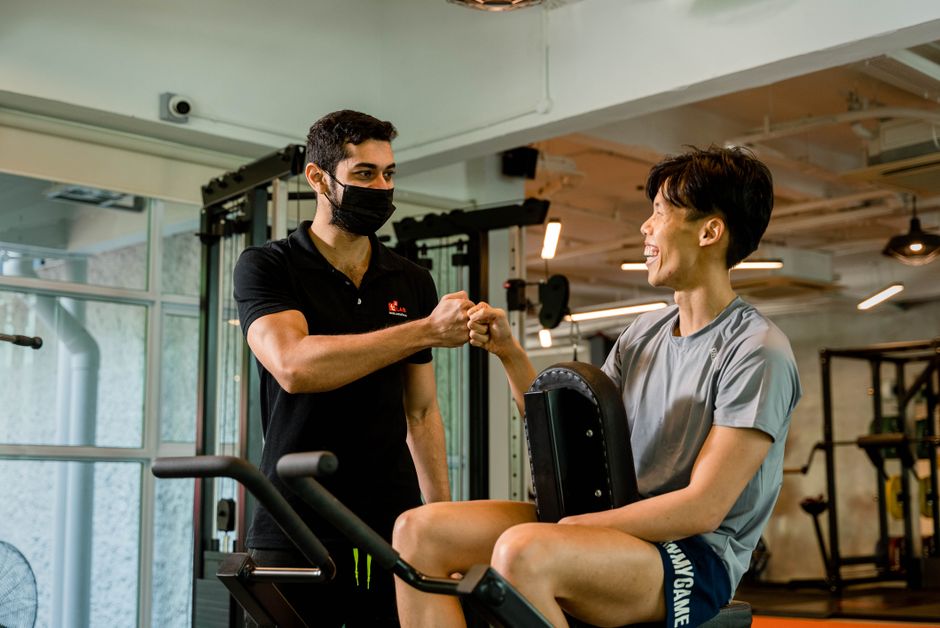
The indoor climbing boom has been particularly visible in established neighbourhoods. Mega climbing gyms now operate across multiple locations, from Clementi to Bedok, offering rope climbing, bouldering walls, and speed-climbing routes that cater to beginners through elite athletes. These facilities have become vital training grounds—membership fees typically range from $80 to $120 monthly, with day passes around $25—making the sport increasingly accessible to the broader population. The Singapore Climbing and Mountaineering Club, based in the CBD, has reported a 40% increase in active membership since 2023.
Outdoor infrastructure development has been equally impressive. Bukit Timah Nature Reserve, long a magnet for adventure seekers, now features properly managed climbing zones with bolted routes maintained by certified teams. The Eastern Singapore coastline, particularly around Changi and East Coast, has seen investment in coastal rock formations that appeal to both sport climbers and boulderers. Meanwhile, initiatives to develop the Sentosa Island rock faces have positioned the island as a potential venue for regional competitions.
Beyond traditional climbing, Singapore's extreme sports infrastructure reflects broader ambitions. The construction of dedicated parkour and free-running zones in Punggol and Toa Payoh demonstrates municipal commitment to facilitating high-intensity training. Adventure parks offering rope courses and zip-lining are now operational in multiple locations, from MacRitchie Reservoir to Labrador Park, attracting both tourists and serious athletes seeking training grounds.
The Singapore National Olympic Council and local sports governing bodies have recognised climbing's potential. The inclusion of sport climbing in recent Asian Games has accelerated facility development, with investment flowing toward competition-standard infrastructure. Several private operators have secured long-term leases for purpose-built venues designed to international specifications.
However, challenges persist. Natural climbing sites remain limited compared to regional neighbours like Malaysia and Thailand, constraining the development of outdoor climbing culture. Environmental protection requirements have slowed the expansion of new routes in sensitive ecosystems. Yet the trajectory is unmistakable: Singapore is investing strategically to position itself as a serious climbing destination, blending urban accessibility with carefully managed natural sites—a formula increasingly attractive to regional and international athletes seeking reliable, year-round training environments.
This article was compiled by AI from the sources linked above and screened before publishing. See our editorial standards.
Covering sport in Singapore. This article was generated by AI from the linked sources and was not reviewed by a human editor before publishing. See our editorial standards.