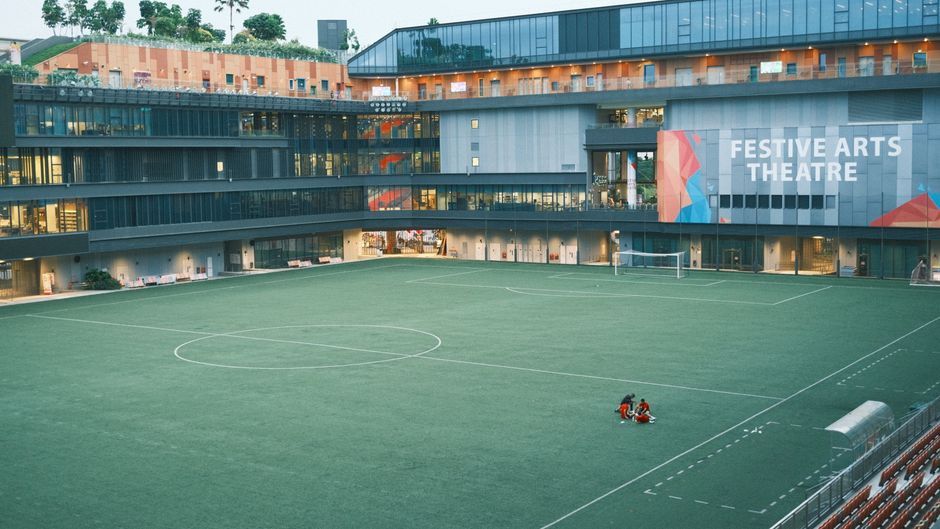
The sight of runners flooding East Coast Park on weekend mornings, or futsal courts lighting up across Clementi and Bedok after office hours, is no longer noteworthy in Singapore. But the scale of this shift—evident in membership data from grassroots clubs and amateur leagues—tells a more compelling story about how fitness culture has quietly reshaped daily life across the island.
According to the Singapore Sports Council's latest participation survey, membership in amateur recreational sports clubs increased by 23 per cent between 2022 and 2025, a surge that reflects a broader pivot toward community-based wellness rather than solo gym routines. Badminton clubs in the heartlands—particularly around Hougang, Pasir Ris, and Bukit Merah—have reported waitlists of three to four months. Tennis facilities at Marina Bay and Kallang have similarly seen demand outpace supply, prompting venue operators to extend evening hours.
The data reveals subtle but significant demographic patterns. While running clubs in the CBD—such as those organising weekly meet-ups along Marina Bay waterfront—skew younger and corporate, neighbourhood-based football leagues in Yishun and Jurong Park attract multigenerational participation. Monthly membership fees averaging $40 to $80 for recreational leagues suggest affordability remains a draw, particularly compared to premium gym memberships that often exceed $150.
What's particularly striking is the rise of organised amateur leagues beyond traditional sports. Rock-climbing groups using facilities in Bukit Batok and Clementi have grown by 31 per cent in the past three years. Volleyball and handball clubs, once niche, now operate in at least eight constituencies. These aren't casual pastimes—they're structured competitions with regular fixtures, league tables, and team identities.
The shift also reflects changing attitudes toward work-life balance in a city long defined by relentless productivity. Fitness culture, once framed as individual self-optimisation, has become explicitly social. Interviews with club organisers point to members citing camaraderie and routine as primary motivators, not aesthetic goals.
However, participation gaps persist. Clubs in central areas like Orchard and Marine Parade report higher membership diversity, while suburban leagues struggle to retain members after initial sign-ups. Affordability of facilities and transport connectivity clearly matter—yet they're not insurmountable barriers given the infrastructure across the island.
As Singapore navigates health-related challenges tied to sedentary lifestyles, these numbers offer encouragement. The proliferation of amateur clubs isn't merely recreational—it's evidence of a cultural recalibration toward collective wellness. The real measure of success won't be membership numbers alone, but whether this momentum sustains and reaches those still waiting on the sidelines.
This article was compiled by AI from the sources linked above and screened before publishing. See our editorial standards.