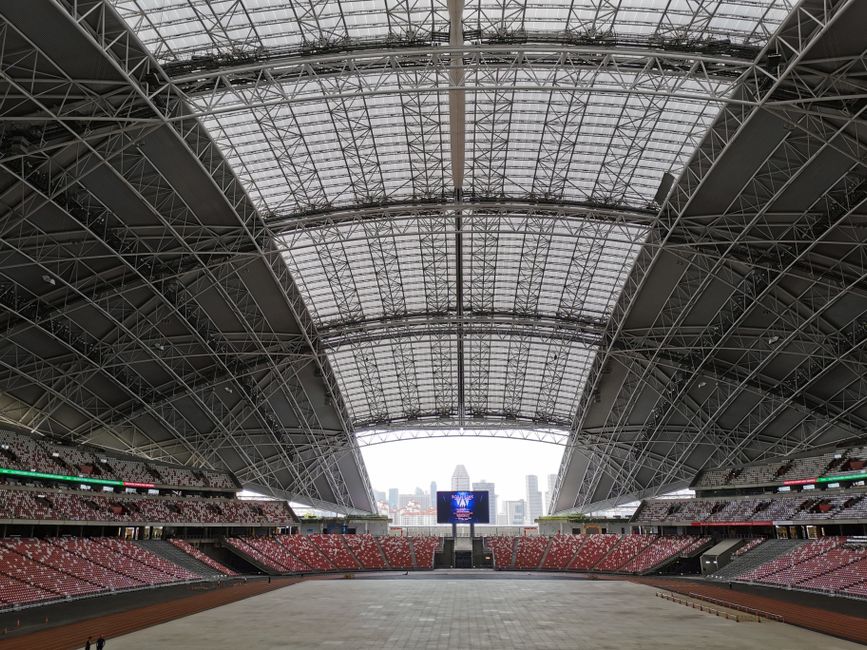
Singapore's gleaming sports infrastructure tells two stories. One is triumphant—the National Stadium's recent athletics carnival drew 28,000 spectators, while the Marina Bay Floating Platform has hosted sell-out swimming galas and water sports festivals. Yet participation data from the ActiveSG programme, managed by Sport Singapore, paints a more nuanced picture of a fitness culture in flux.
Last year, ActiveSG recorded 3.2 million registrations across its facilities—an impressive figure until you consider Singapore's population of 5.9 million. More telling: 63 per cent of these registrations were passive, one-time visits. Regular gym-goers—defined as attending facilities at least twice weekly—account for just 18 per cent of the active user base, down from 21 per cent in 2023.
The data suggests Singaporeans remain enthralled by spectacle. When the Formula 1 Singapore Grand Prix returns this September, the Marina Bay circuit will draw an estimated 300,000 visitors. Yet converting spectators into participants remains elusive. The Kallang area, home to the National Stadium complex and the Singapore Indoor Stadium, sits at the heart of this paradox. During major events, the precinct pulses with energy. On ordinary Tuesdays, the multipurpose courts lie half-empty.
Neighbourhood-level disparities underscore deeper issues. The East Coast region, anchored by the Changi Sports Hub, shows 34 per cent regular participation rates—highest in Singapore. Meanwhile, the central core, despite proximity to premium facilities on Mountbatten Road and Clementi Avenue, registers only 19 per cent. Cost barriers remain significant; while ActiveSG membership is subsidised, premium facilities in places like The Pinnacle@Duxton still charge upward of $150 monthly.
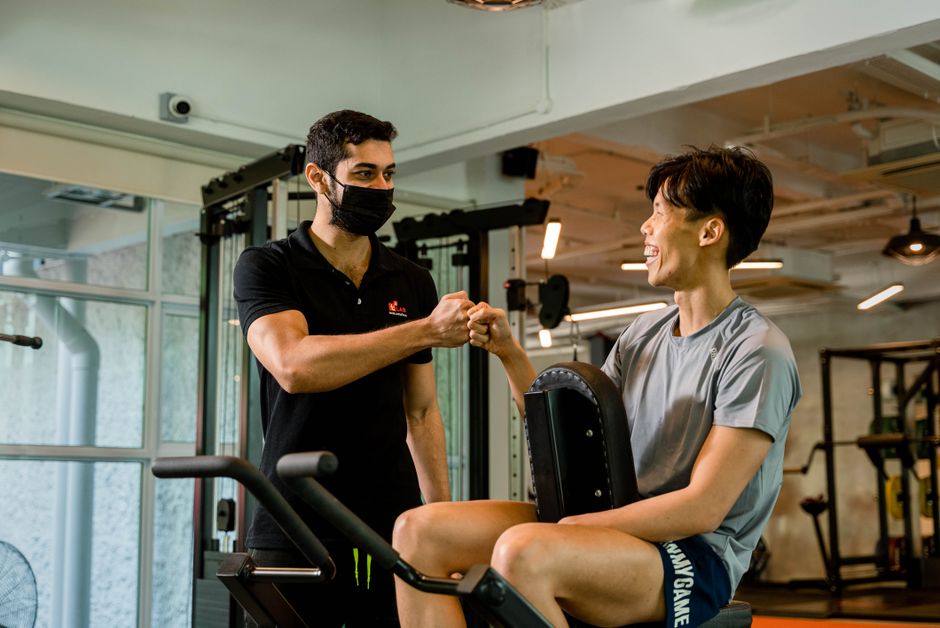
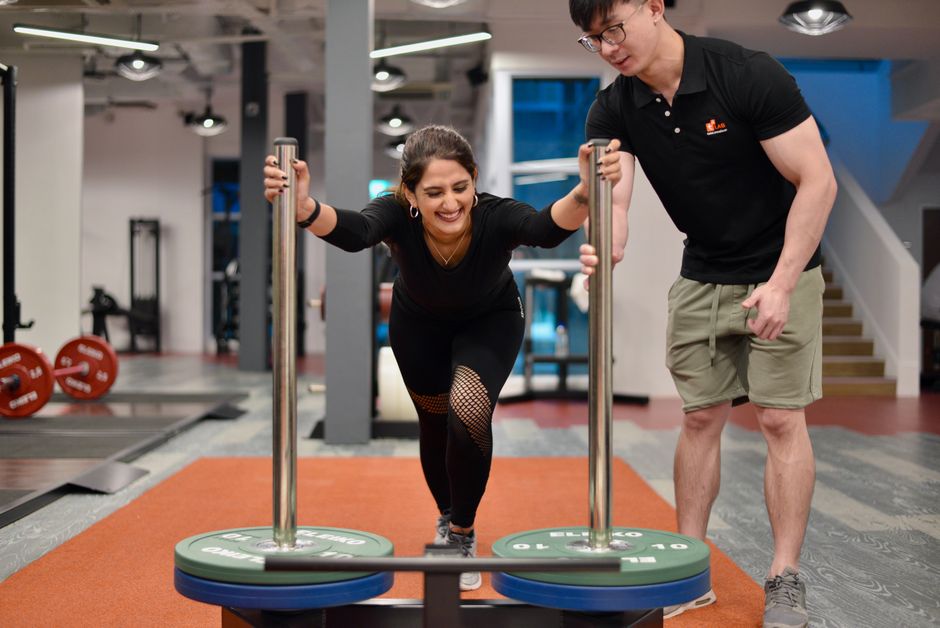
The rise of boutique fitness—Pilates studios, high-intensity interval training boutiques, and cycling clubs in neighbourhoods from Tiong Bahru to Novena—reflects where real momentum lies. These studios, often priced at $35-45 per class, attract younger, affluent professionals unwilling to travel to statutory board facilities. Sport Singapore's recent initiatives to embed fitness hubs within HDB estates aim to close this gap, with new facilities planned for Ang Mo Kio and Woodlands by 2027.
The lesson is clear: headline-grabbing events showcase Singapore's ambitions as a sporting nation. But the real measure of fitness culture lies in the unglamorous spaces—void decks, community centres, and neighbourhood gyms where sustained habit forms. The data suggests work remains to transform spectators into consistent participants, and major venues into catalysts for genuine lifestyle change rather than occasional entertainment.
This article was compiled by AI from the sources linked above and screened before publishing. See our editorial standards.