At 6 a.m. on weekday mornings, scores of Singaporeans gather at Bishan Park without paying a cent. Their fitness instructors—volunteers from the neighbourhood—lead high-intensity interval training sessions under the banyan trees. This scene repeats across Bedok Reservoir, East Coast Park, and the void decks of Clementi, representing a quiet revolution in how ordinary Singaporeans approach health and wellness.
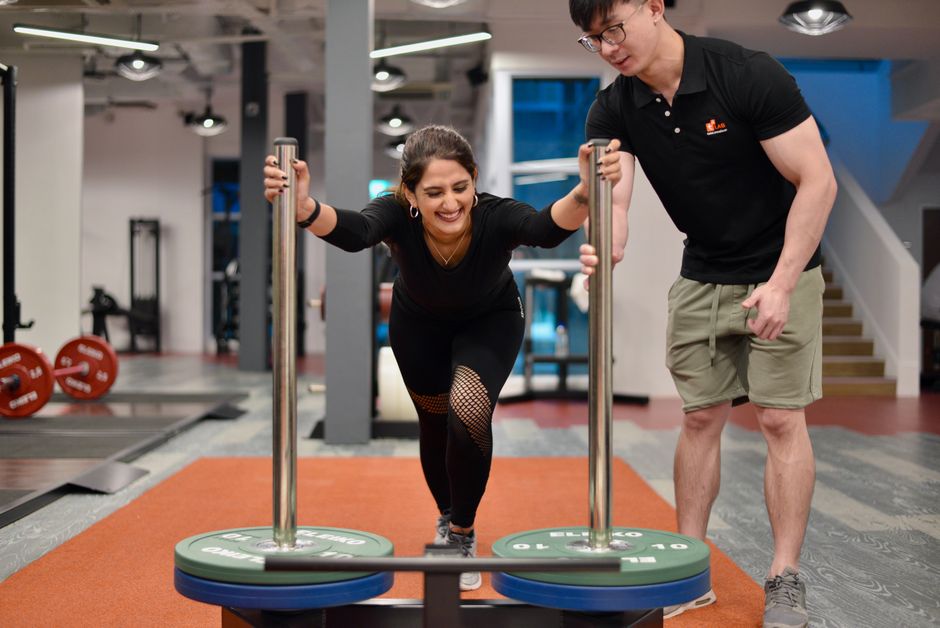
The shift reflects a fundamental change in the city's fitness ecosystem. While premium gyms like boutique studios in Orchard and Raffles Boulevard have long positioned fitness as a luxury commodity—memberships ranging from $150 to $300 monthly—grassroots movements have cracked open access to structured training. Community sport groups operating through platforms like WhatsApp, Telegram, and Instagram now boast membership in the thousands.
"We started with seven people in 2019 at Pasir Ris Park," said one volunteer fitness coordinator from the East region, describing how informal sessions evolved into a structured programme serving over 800 participants monthly across multiple locations. "No equipment needed, no fancy studio. Just commitment."
Data from Singapore's Health Promotion Board indicates that community-based sports participation has grown 34 per cent since 2020, with grassroots fitness groups accounting for roughly 28 per cent of this increase. The National Sports Participation Survey revealed that cost remains a primary barrier to fitness engagement, with 41 per cent of non-participants citing expense.
What distinguishes these movements is their democratisation of expertise. Volunteer coaches—many holding basic certifications or gaining experience through online platforms—have legitimised non-institutional training. Training sessions in Hougang, Tampines, and Tanjong Pagar cover calisthenics, running clubs, and functional fitness, attracting office workers, retirees, and students seeking affordable alternatives to commercial gyms.
The Sports Hub's satellite programmes have partnered with grassroots organisers, recognising this momentum. Meanwhile, grassroots groups increasingly leverage free or low-cost venue access through ActiveSG facilities, which offer subsidised rates for community-organised activities.
Yet challenges persist. Inconsistent coaching standards, liability concerns, and weather dependency remain friction points. Some organisers struggle with scaling operations while maintaining quality and community spirit.
Nonetheless, the trajectory is clear. Singapore's fitness culture is no longer solely defined by gleaming studios and premium memberships. Instead, a parallel ecosystem—built on volunteerism, accessibility, and neighbourhood connection—has emerged as a powerful force reshaping how Singaporeans stay active.
This article was compiled by AI from the sources linked above and screened before publishing. See our editorial standards.