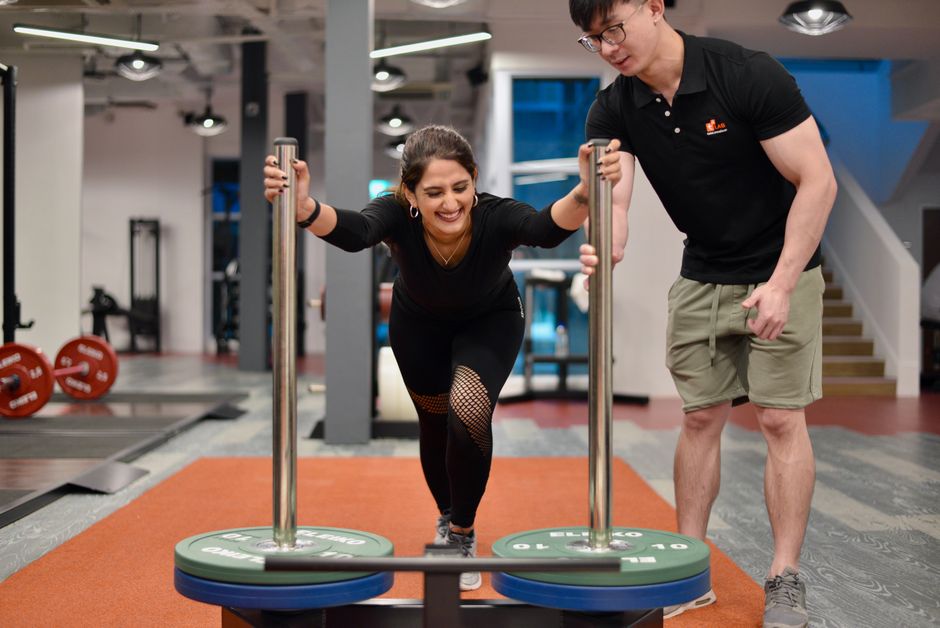
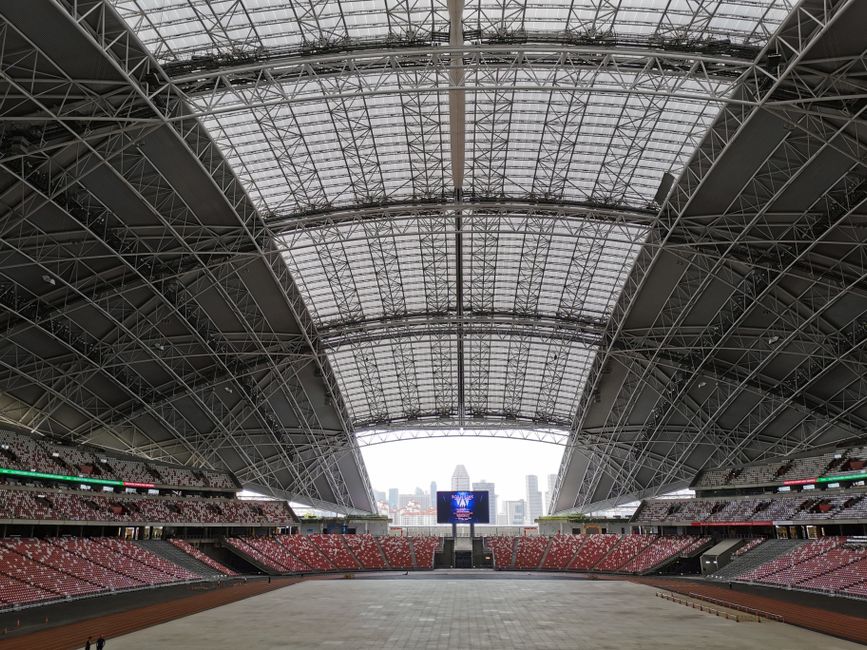
On a Saturday morning at the Safra Yishun climbing wall, a queue of climbers—ranging from teenagers to retirees—waits their turn at the belay station. Among them are instructors who, just five years ago, were learning the sport themselves in cramped community centres across Singapore. This scene epitomises a quiet revolution in Singapore's extreme sports landscape, where passionate amateurs have become the architects of their own movement.
The grassroots climbing community emerged organically around 2018, when a small group of enthusiasts began meeting at climbing gyms in districts like Bukit Timah and Jurong East. What distinguished this movement was not flashy sponsorships or government backing, but a determined ethos of accessibility. Early pioneers organised informal meets, shared climbing routes on encrypted messaging groups, and pooled resources to create cheaper entry points for newcomers. Monthly membership at community-run sessions cost between SGD 40–60, compared to over SGD 150 at commercial chains.
"The energy came from people who simply wanted to climb," explains the collective narrative found in dozens of online community forums where members document their journey. Rather than waiting for official infrastructure, climbers self-organised trips to natural formations at Bukit Timah Nature Reserve and the rocky outcrops near East Coast Park, developing a cottage industry of informal guides and safety protocols.
By 2023, the movement had crystallized. Grassroots organisations began hosting events at venues like Pasir Ris Park and coordinating with the Singapore National Climbing Association, transforming amateur enthusiasm into structured programming. Today, over 3,000 active participants engage regularly through community-led initiatives, with women comprising nearly 45 percent—a demographic shift attributed to intentional outreach by female climbers within the movement.
The economic impact has been tangible. Local gear shops in areas like Clementi and Tanjong Pagar report sustained growth, while climbing coaching—once entirely commercial—now blends paid professionals with volunteer mentors, creating a tiered ecosystem.
What makes Singapore's climbing movement distinctive is how it reversed the typical pattern: rather than top-down commercialisation spawning a community, determined amateurs built the infrastructure first. Today's climbing walls at Safra outlets, the formalised competition circuits, and insurance frameworks all trace their genesis to weekend warriors who simply refused to wait for permission. Their story mirrors broader trends in Singapore's urban recreation culture—communities solving their own problems, one carabiner at a time.
This article was compiled by AI from the sources linked above and screened before publishing. See our editorial standards.