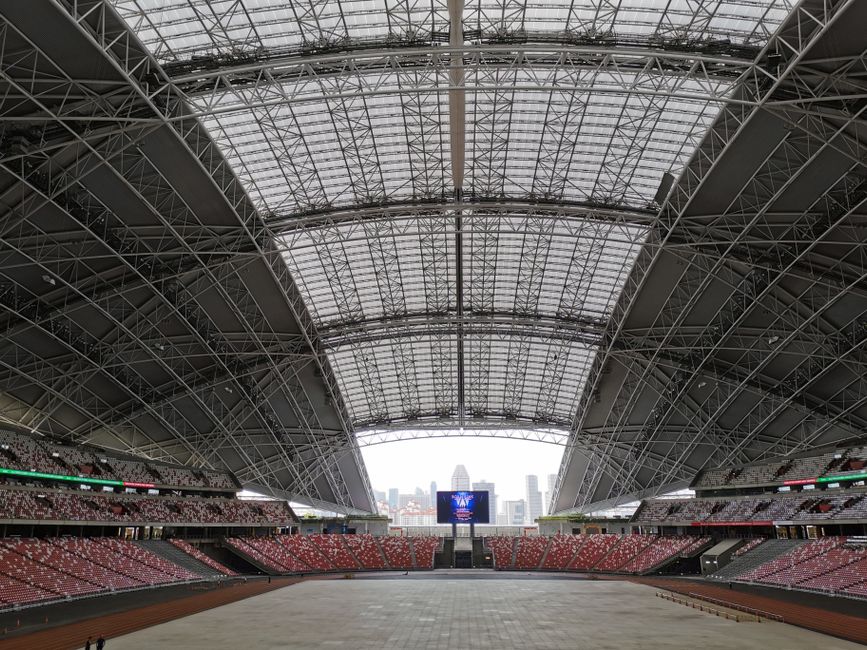
Singapore's recreational sports scene is experiencing a quiet boom that statistics paint far more clearly than headlines ever could. New membership figures from the ActiveSG platform and independent amateur leagues reveal a striking shift in how Singaporeans approach fitness: away from solitary gym sessions and toward communal, competitive play.
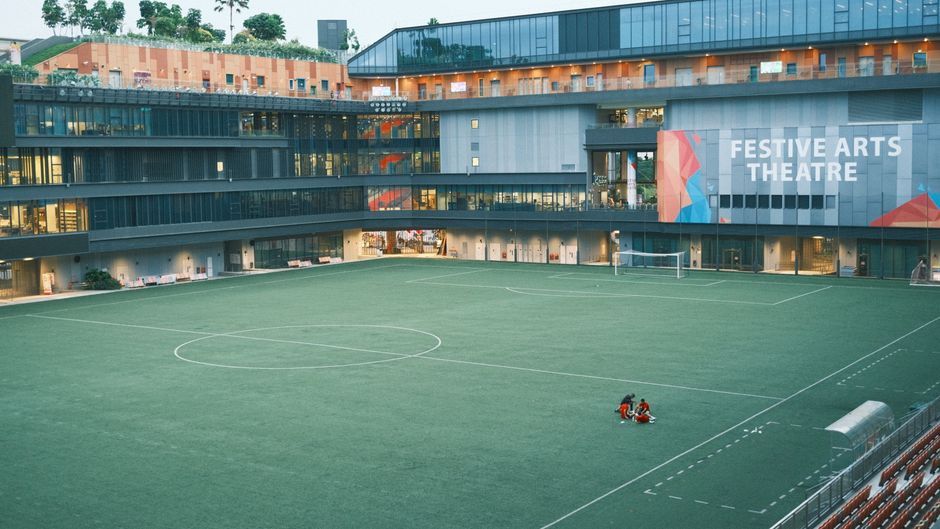
The numbers tell a compelling story. ActiveSG, the Sport Singapore initiative, now boasts over 650,000 registered members across its network of community clubs and centres—a 34 per cent increase since 2023. More tellingly, amateur sports leagues affiliated with the Singapore Sports Association report a 41 per cent spike in participation across football, basketball, badminton, and volleyball divisions in the past two years alone. The Kallang Cup, Singapore's oldest amateur football tournament, saw 127 teams compete this season, up from 89 in 2024.
This isn't confined to one neighbourhood. Clubs across Clementi, Tanjong Rhu, and the East Coast precincts report waitlists stretching into double figures. The Geylang Sports Club, operating since 1952, recorded 1,840 active members last year—their highest tally in a decade. Even more striking: 58 per cent of new recruits are under 35, suggesting younger Singaporeans are deliberately choosing organised amateur leagues over Instagram-friendly boutique fitness chains.
What explains this hunger for grassroots sport? Industry observers point to three intersecting factors. First, affordability: annual membership at most ActiveSG centres costs under $200, with match fees typically $5-12 per player. Compare that to monthly CrossFit memberships averaging $400-600. Second, the pandemic effect lingers—Singaporeans emerged from lockdowns craving genuine human connection and tactile competition, not filtered fitness content. Third, the government's Sport Singapore strategy, which has invested heavily in neighbourhood facilities and amateur league infrastructure, has finally yielded downstream results.
The data also reveals demographic nuance. Women now comprise 31 per cent of participants in amateur football leagues—a figure that has nearly doubled since 2020. Badminton remains the most popular recreational sport by participation, with over 95,000 registered players, yet basketball and futsal clubs are growing fastest percentage-wise, both up 63 per cent in the past 18 months.
Perhaps most intriguingly, recreational league participation correlates strongly with neighbourhoods offering good public transport and court access. Bukit Merah and Marine Parade lead in per-capita participation rates, while outlying areas show potential for growth once facilities improve.
The trend speaks volumes: Singaporeans aren't just getting fit anymore. They're doing it together, on a budget, and with genuine competitive spirit. And they're doing it in numbers that suggest this shift is far more than a fleeting fad.
This article was compiled by AI from the sources linked above and screened before publishing. See our editorial standards.