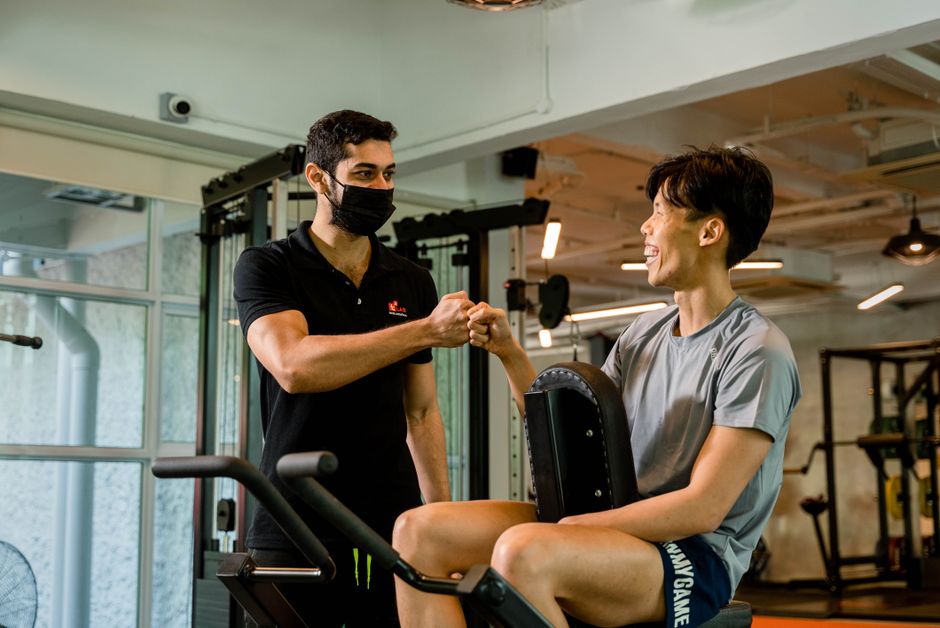
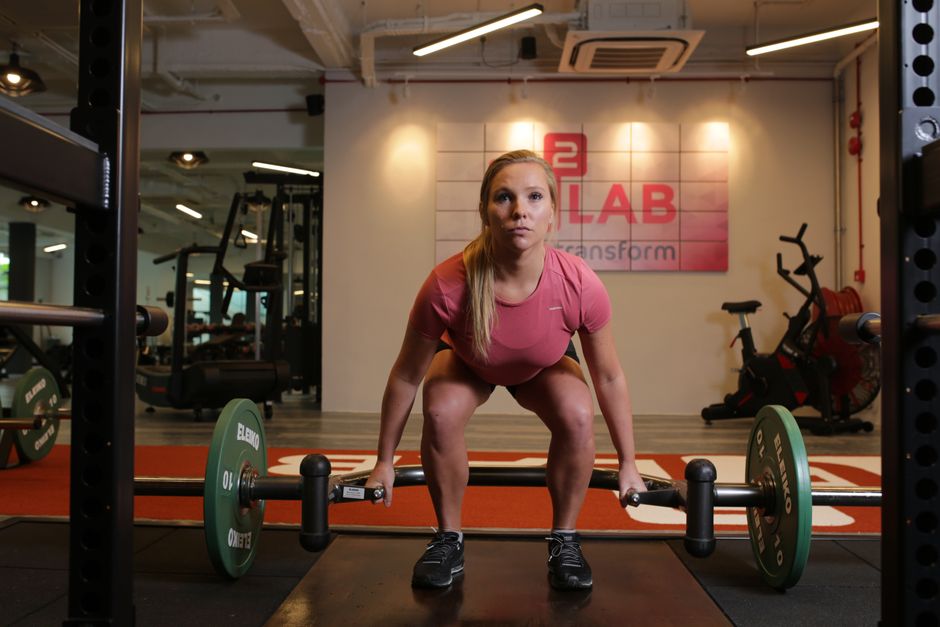
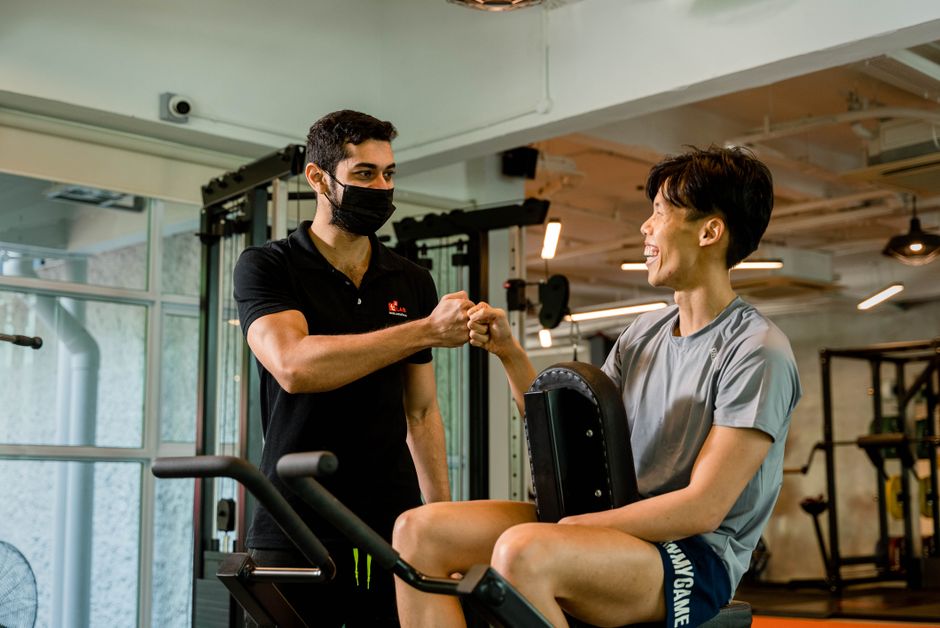
The fluorescent-lit corridors of Gold's Gym on Orchard Road are buzzing earlier than usual these days. By 6 a.m., squat racks are occupied, rowing machines whir in unison, and the air crackles with the intensity of athletes chasing mid-year goals. It is a scene replicated across Singapore's fitness landscape as the island's gym culture enters what trainers call the "finals push"—a critical window where serious athletes dial in their training ahead of major competitions.
The second half of 2026 presents an unusually packed calendar for Singapore's endurance and strength communities. The Standard Chartered Marathon returns in November, the Singapore Bodybuilding and Physique Sports Federation's regional championships are scheduled for October, and the Asia-Pacific CrossFit Open begins in September. The convergence has created a palpable shift in training patterns across major hubs from Tanjong Pagar to Jurong East.
"We're seeing a 40 per cent uptick in membership sign-ups since May," says a fitness director at a boutique studio near Raffles Place, speaking on condition of anonymity. "People are serious—they're committing to 12-week conditioning blocks, not casual gym visits." Monthly membership rates at mid-tier facilities now hover between S$150 and S$250, while premium facilities command upwards of S$400.
The trend extends beyond traditional gyms. Specialist coaching networks have expanded throughout the Eastern Corridor and around Marine Parade, where distance runners cluster around coastal routes. Peloton-style spin studios in Bugis report 85 per cent capacity during evening slots, while functional fitness boxes across the island are experiencing waiting lists for their flagship programmes—a rarity in Singapore's competitive fitness market.
Nutrition consultants have also seen a spike. "June through September is when athletes become obsessive about macros and periodisation," one consultant at a Tanjong Pagar clinic notes. Premium nutrition plans tailored to competition cycles now cost between S$80 and S$150 weekly.
The broader fitness economy reflects a maturation of Singapore's athletic culture. Beyond vanity metrics, serious competitors are investing in periodised training, altitude simulation, and recovery modalities—ice baths, compression therapy, and sports massage now occupy premium real estate in high-end facilities across the island.
For casual gym-goers, the influx of serious athletes can feel intimidating, but fitness studios have responded by staggering classes and creating beginner-friendly time slots. The competitive season, it seems, is lifting the entire fitness ecosystem—one set at a time.
This article was compiled by AI from the sources linked above and screened before publishing. See our editorial standards.