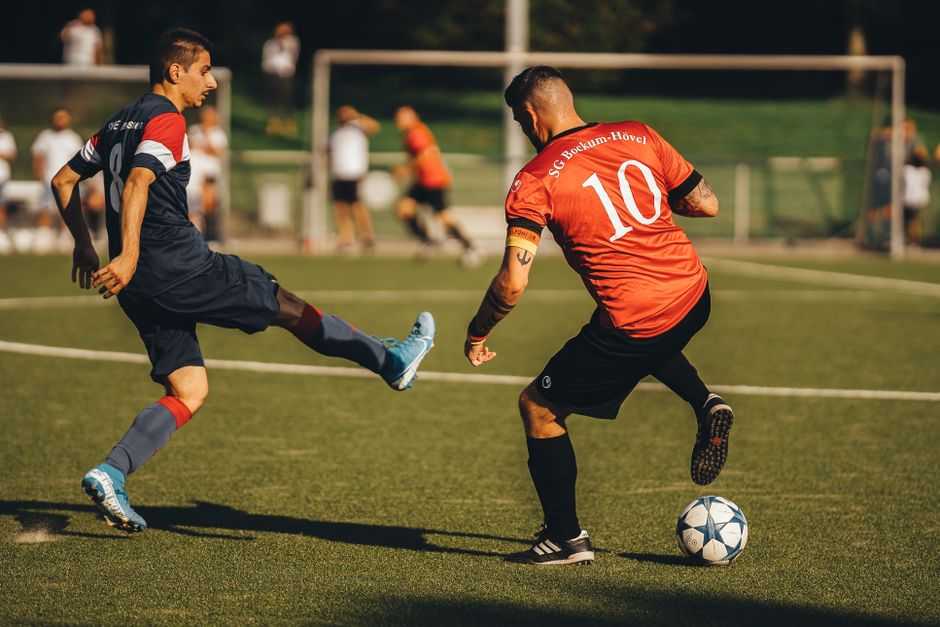
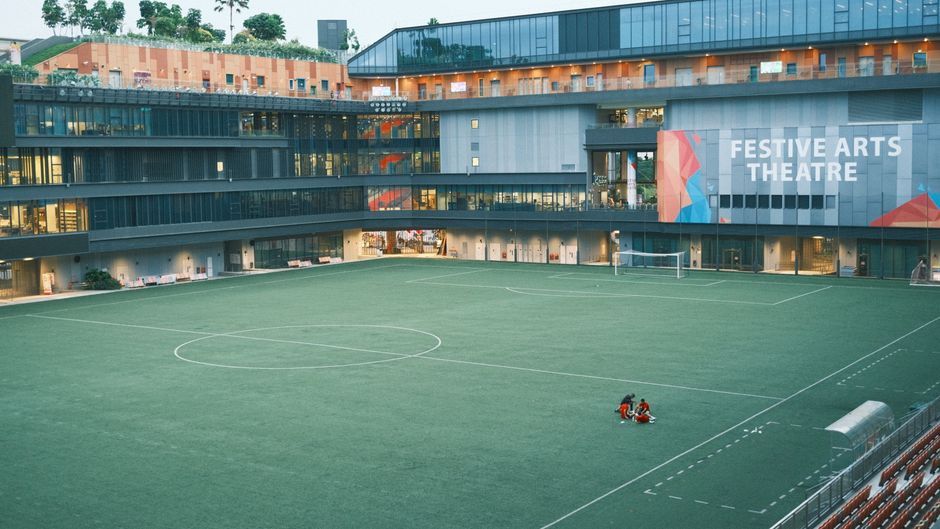
The dusty futsal courts of Clementi Sports Centre tell a story that participation data across Singapore is now confirming: football has quietly become the engine driving the nation's fitness culture.
Recent surveys from the Singapore Football Association and Sport Singapore reveal that recreational league participation has surged 34 per cent over the past three years, with membership in casual five-a-side and seven-a-side competitions reaching an estimated 47,000 players. That represents a significant demographic shift from the era when gym memberships and marathon running dominated local fitness conversations.
"We're seeing housewives in their 40s playing alongside fresh graduates," says a manager at the Bukit Merah View Sports Centre, where waitlists for weekend slots now stretch two months. "Ten years ago, that was unthinkable." The observation mirrors trends across major hubs—from the compact pitches near Marina Bay to the expansive grounds at Jurong East Sports Centre, where league nights now run until 11 p.m. to accommodate demand.
The economics tell another story. A typical seven-a-side league season—running eight weeks with weekly matches—costs between $280 and $420 per player, making it substantially cheaper than CrossFit memberships (averaging $250 monthly) or boutique fitness classes. Yet the participation rate among professionals earning above $80,000 annually is climbing faster than among lower-income groups, suggesting football's appeal now crosses socioeconomic lines.
What's driving this? Fitness experts point to three converging factors: the rise of workplace wellness programmes that subsidise team registrations, improved accessibility through apps like SportBuddy and Facebook groups that coordinate ad-hoc matches, and a cultural pivot away from solitary gym sessions toward community-based activity. The latter appears particularly pronounced among expat communities—British and Australian workers dominate Tuesday night leagues in the Bedok area, while Filipino domestic workers have organised thriving Friday evening tournaments near Tanjong Pagar.
The data carries implications for policymakers. Sport Singapore has responded by investing in pitch maintenance and extending court hours at facilities islandwide. Yet the conversation extends beyond infrastructure. "Participation numbers show Singaporeans want fitness that builds friendships," observes a sports sociologist at the National University. "Football provides that in ways a treadmill never will."
As the nation grapples with rising obesity rates and mental health challenges, the humble football—accessible, social, and increasingly popular—may prove to be one of Singapore's most effective yet underappreciated public health interventions.
This article was compiled by AI from the sources linked above and screened before publishing. See our editorial standards.