Walk through the Kallang precinct on a Tuesday evening and you'll witness the quiet transformation reshaping Singapore's sporting landscape. Where once venues operated as isolated fixtures, they've evolved into vibrant community ecosystems. This shift is redefining how local clubs engage residents and build sustainable participation networks.
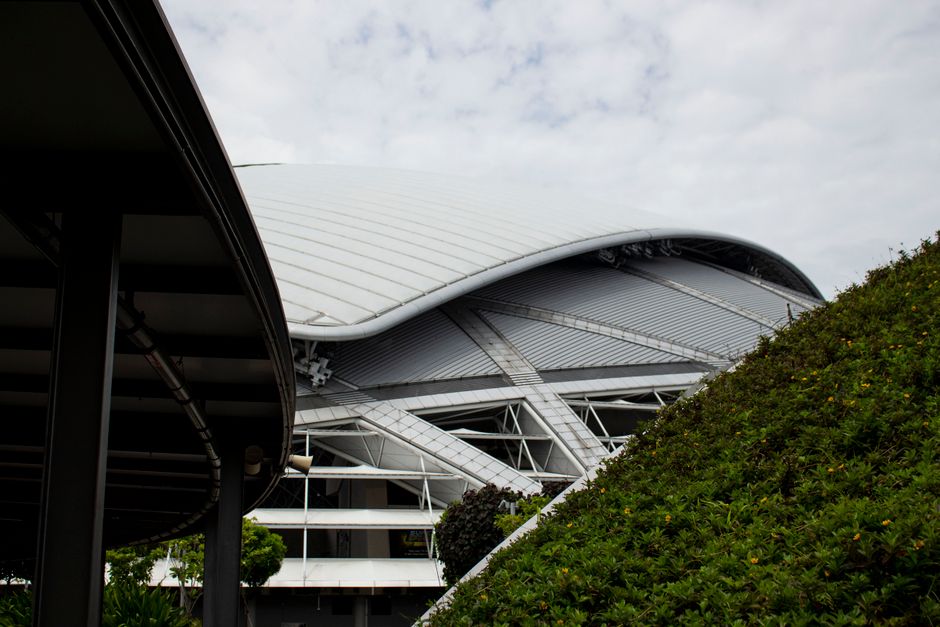
The Singapore Sports Hub's multiplex arrangement—encompassing the National Stadium, OCBC Aquatic Centre, and IBC—has catalysed a clustering effect for grassroots organisations. Netball clubs, swimming academies, and rugby unions now share infrastructure that once seemed exclusively elite-oriented. Participatory sports like futsal have surged in popularity across Housing Board heartlands, with clubs operating from venues in Clementi, Bukit Merah, and Ang Mo Kio reporting 40 per cent membership growth over three years.
Community centres in residential neighbourhoods have become equally critical. The Tanjong Rhu Sports Centre and venues dotting the East Coast corridor host badminton leagues, table tennis tournaments, and cycling clubs that anchor local identity. These aren't niche operations—badminton clubs across the eastern region alone boast over 8,000 active members, many recruited through neighbourhood activation programmes.
What distinguishes this revival is intentional cross-pollination. Stadium operators now facilitate knowledge-sharing between clubs, coordinate scheduling to maximise facility use, and create integrated membership pathways. A teenager discovering futsal at their Bukit Merah community centre can progress through regional competitions to national-level platforms—all within interconnected club ecosystems.
The financial model reflects this democratisation. While elite sporting facilities command premium rates, community-focused venues maintain pricing accessible to ordinary families. A month's badminton membership at neighbourhood clubs typically ranges from S$25 to S$50, ensuring cost isn't a barrier to sustained participation.
Beyond participation metrics, these venues function as social anchors. Multi-generational families now converge for Saturday matches; working professionals join evening leagues as stress-relief rituals; retirees volunteer as coaches and administrators. This social fabric strengthens neighbourhood cohesion in ways Singapore's urban planners are increasingly recognising as vital.
The pandemic accelerated this trend. When lockdowns ended, clubs that had maintained community connection through digital engagement rebounded fastest. Those emphasising neighbourhood identity over hierarchical structures demonstrated greater resilience and faster membership recovery.
Looking forward, this model presents scalability. As Singapore continues densification, integrating sports venues as active community infrastructure—rather than specialised sporting destinations—offers pathways to healthier, more connected neighbourhoods. The success emerging from Kallang, Clementi, and Bukit Merah suggests this isn't merely sporting trend, but urban wellness strategy.
This article was compiled by AI and screened before publishing. See our editorial standards.