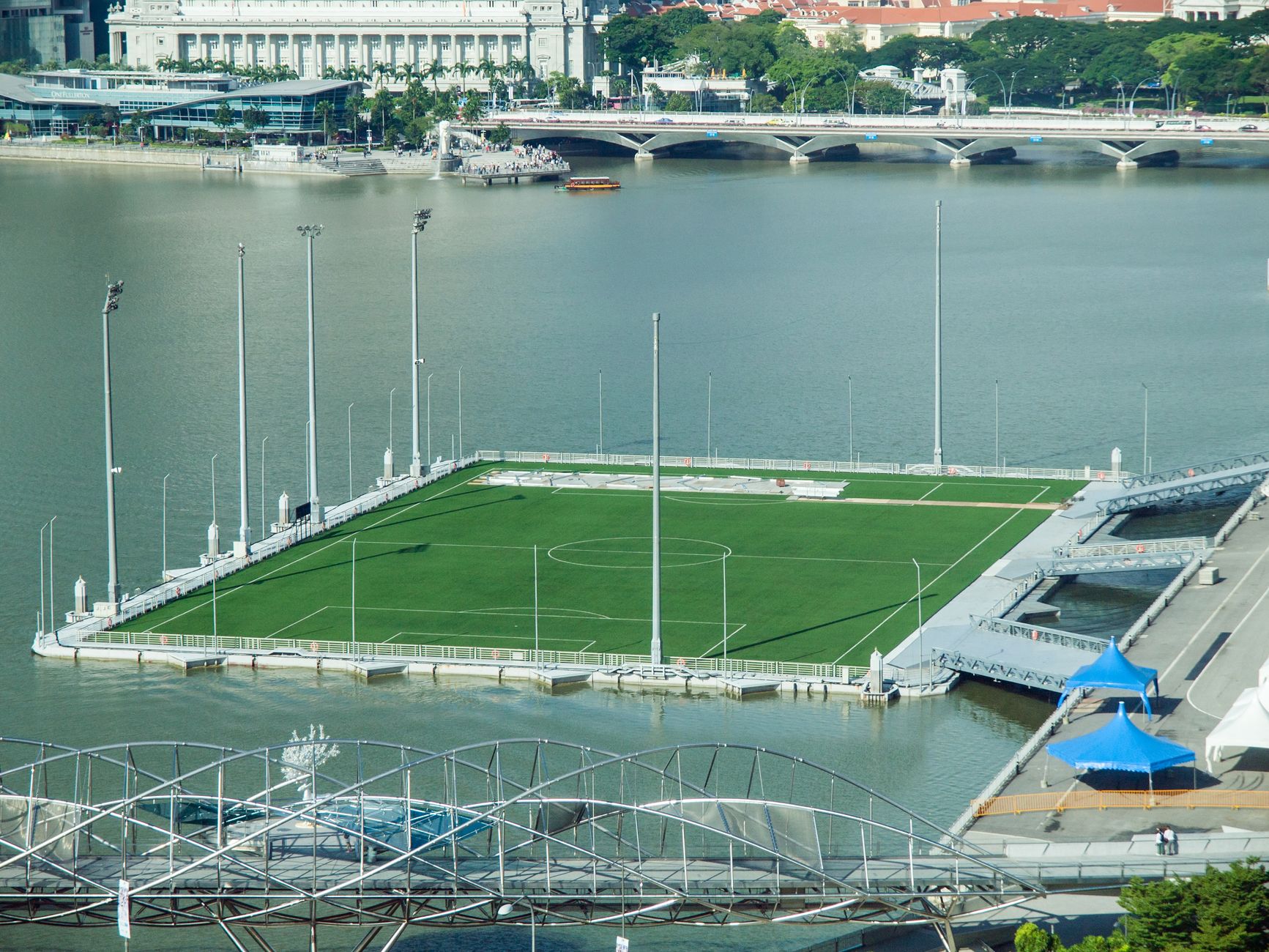
More than 1.4 million individual facility bookings were recorded across Sport Singapore's network of stadiums and sports centres in the first half of 2026, according to internal utilisation data reviewed this week — a 12 percent jump on the same period last year and the highest six-month total since the network's post-pandemic reopening in 2022. The figure sounds impressive. The fine print is more complicated.
The surge matters because Singapore's Healthier SG strategy, now in its third year, set a formal target of raising the proportion of residents exercising at least five times a week from roughly 37 percent — the figure recorded in the 2023 National Population Health Survey — to 50 percent by 2030. Getting there requires filling stadiums with more than weekend warriors. The participation data suggests the venues are busy, but the same demographic cohorts keep showing up.
Kallang's Numbers Tell the Story
The Singapore Sports Hub in Kallang dominates the headline figures. The 55,000-seat Singapore National Stadium, the OCBC Aquatic Centre and the Sengkang Sports Centre collectively account for nearly 40 percent of all Sport Singapore facility bookings. On any given Tuesday morning the aquatic centre logs upward of 800 lap-swimming entries before noon — mostly adults aged 25 to 44, according to Sport Singapore's demographic breakdowns. The over-60 cohort and the under-18 group together represent fewer than 22 percent of weekday daytime slots at major venues, a gap that health planners have flagged internally as a structural problem.
Meanwhile, the smaller neighbourhood polyclinics-adjacent ActiveSG outlets — venues like Jurong East Sports Centre near Boon Lay Way and Bedok Sports Hall off Bedok North Road — show a different pattern. Enrolment in structured group programmes such as the National Steps Challenge partner classes and the silver-fitness SilverFit sessions at these sites rose 31 percent between January and June 2026. Community programmes, in other words, are pulling demographics that iconic landmark venues are not.
The ActiveSG app, which serves as the primary booking platform for most Sport Singapore facilities, crossed two million registered users in April 2026. But registered users and active users are not the same thing. Internal churn data suggests roughly 650,000 of those accounts have not logged a booking in the past six months. That is not unique to Singapore — participation drop-off after initial registration is a problem that plagues public sports networks from Tokyo's metropolitan sports facilities to London's GLL-managed leisure centres — but it does put a ceiling on how much the raw booking numbers should be celebrated.
What the Gaps Say About Fitness Culture
The pattern emerging from the data points to a fitness culture that is enthusiastic at the top but thin in the middle. Singapore has a highly motivated core of regular exercisers — the kind who book 6 a.m. slots at the OCBC Arena in Kallang three weeks in advance and pay the $3.50 peak-hour lane fee without blinking. Below that group, participation becomes episodic. People sign up during January health-kick season or after a national campaign, attend for six to eight weeks, then drop off.
Sport Singapore has responded by piloting a trial at three venues — Yio Chu Kang Sports Centre, Clementi Sports Centre and the Our Tampines Hub sports facilities in Tampines Central — that ties subsidised membership rates to verified attendance streaks tracked through the ActiveSG app. Members who log eight or more sessions in a calendar month pay $8 rather than the standard $15 monthly fee. Early data from the first quarter of the pilot showed a 19 percent improvement in sustained monthly attendance among participants aged 35 to 55. The scheme is expected to be evaluated for network-wide rollout by the end of 2026.
For residents looking to make the most of what the network offers, the practical advice from Sport Singapore's programme teams is consistent: structured classes with a set schedule drive attendance far more reliably than open-facility access. The Tuesday morning swimmer who books a lane does not always come back. The person enrolled in a ten-week aqua-aerobics course almost always finishes it. Singapore's stadiums have the infrastructure. The question the data is now posing is whether the programmes inside them are designed to keep people returning after the first visit.