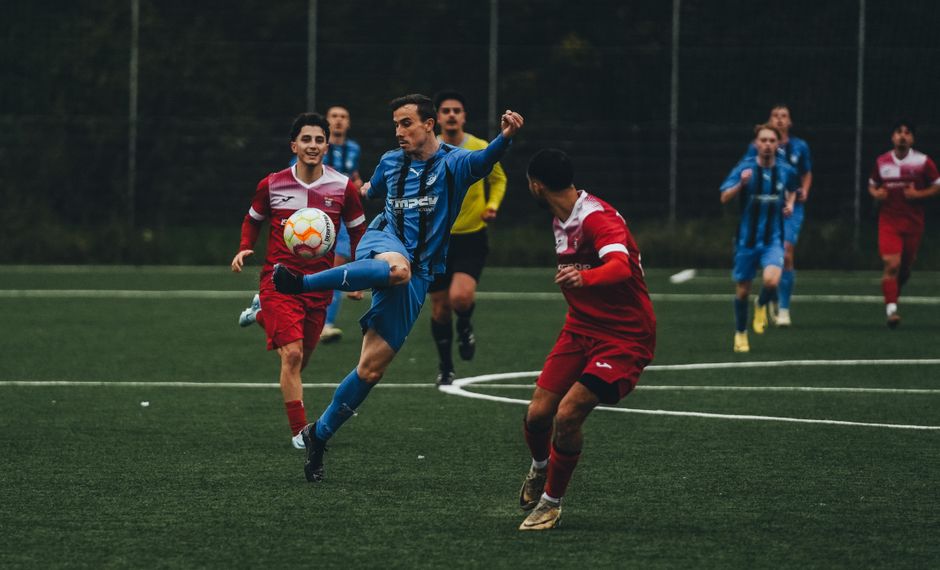
Tanjong Pagar United's youth setup has become the most discussed name in Singapore grassroots football this week, after its under-16 squad swept through three straight Youth League fixtures without conceding a single goal — a run that has coaches and Football Association of Singapore officials paying close attention heading into the second half of the 2026 season.
The timing matters. Singapore's football authorities have been under sustained pressure to demonstrate that the S$4.5 million earmarked for youth development in the FAS's 2025–2027 roadmap is actually producing results on the pitch, not just glossy brochures. Tanjong Pagar's youth programme, operating out of Jurong East Stadium and using training slots at the Clementi Sports Centre three evenings a week, is starting to look like the clearest answer to that question.
A Model Built on the Ground
What sets the Jaguars' youth arm apart from several rival academies is its refusal to poach talent from school teams mid-season. The academy works in formal partnership with four secondary schools in the western corridor — including Nan Hua High School in Clementi Road — running after-school technical sessions that feed directly into weekend fixtures. Players stay enrolled in their school teams through the year. That dual-pathway approach, modelled loosely on arrangements that have worked in Japan's J.League youth structures, keeps attrition low and keeps parents onside.
The Football Association of Singapore launched the National Youth Football League back in 2018 with exactly this kind of club-school collaboration in mind. Eight years on, participation numbers have climbed: the FAS reported 1,847 registered youth players across all age groups in the league as of January 2026, up from roughly 1,200 in 2021. Tanjong Pagar's youth section alone accounts for 94 registered players across the under-14, under-16 and under-18 squads. Monthly academy fees sit at S$120 per player, broadly in line with comparable private football schools operating at venues like Bishan Stadium and the Kallang Football Centre.
Rival clubs are watching. Albirex Niigata (S) FC, whose youth teams train at Jurong West Stadium, has been competitive in the league's under-18 bracket, and Lion City Sailors' academy — the best-resourced programme in the country by most estimates — continues to set the benchmark at the top end. But Tanjong Pagar's under-16 defensive record this season has put the club in conversations it wasn't part of twelve months ago.
What the Numbers Actually Show
Three clean sheets in a row is a useful headline, but the broader context is instructive. Tanjong Pagar's youth coaches have been tracking possession retention figures using GPS vests since February 2026 — a relatively rare investment at this level of grassroots football in Singapore. Their under-16 side is averaging 58 percent possession per game in the Youth League, compared to a reported league average of 47 percent. Whether that translates into a title push will depend on fixtures against Lion City Sailors' under-16s scheduled for later in July at the Jalan Besar Stadium.
The FAS's Youth Development Department is set to conduct its mid-year club audit across all Youth League participants in August 2026. Clubs that meet benchmarks on coaching qualifications — specifically the AFC C Licence threshold the FAS mandated for all lead youth coaches from January this year — will qualify for an additional S$8,000 in facility-use subsidies for the second half of 2026. Tanjong Pagar's academy currently has four AFC C Licence holders on staff, one more than the mandatory minimum.
For parents in the west of Singapore considering which academy to enrol children in before the new intake opens in August, the Tanjong Pagar programme's open trial dates are worth noting: the club has announced sessions on July 19 and July 26 at Jurong East Stadium, open to boys and girls aged 12 to 15. Registration closes July 14 via the FAS's online portal. The academy's trajectory this season suggests the wait list is going to be longer than usual.