More Singaporeans than ever are signing up for amateur sport. ActiveSG, the national sport authority under Sport Singapore, recorded over 1.3 million programme enrolments in the 2025 financial year — a 17 percent jump from 2023 figures — with recreational football, badminton, and padel driving most of the growth. The headline number is impressive. What sits beneath it is more complicated.
The timing of this data drop matters. Singapore's Health Promotion Board is mid-way through its Healthier SG national push, which is steering government spending and community messaging firmly toward preventive health. Sport is central to that pitch. But participation statistics and genuine fitness culture are not the same thing, and the gulf between them is exactly what planners, club organisers, and weekend athletes are now arguing about at void decks and community centres across the island.
Where People Are Turning Up — and Who Is Still Sitting Out
The sport that tells the clearest story is padel. Three years ago it barely registered in Singapore. Today the Singapore Padel Federation counts more than 60 affiliated clubs, with courts concentrated around Kallang, Buona Vista, and the newer facilities at Punggol Digital District. Monthly court fees at commercial venues run between S$25 and S$45 per session — steep enough that participation skews sharply toward professionals in their 30s earning above the national median wage of roughly S$5,000 a month. That pricing reality is missing from the raw enrolment data.
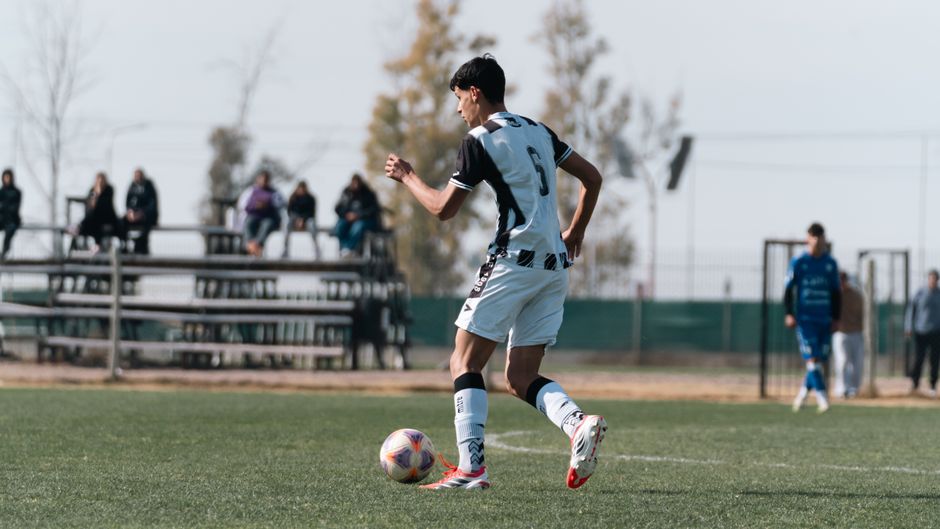
Football tells a different story. The People's Association Grassroots Football League, which runs weekend fixtures across 87 community clubs islandwide, logged its highest-ever number of registered adult recreational teams in January 2026 — 1,140 sides, up from 940 in early 2024. Toa Payoh Stadium on Stadium Link Road and Jurong West Sports Centre are routinely booked out by Saturday morning. The league costs players roughly S$30 per season in registration fees, which explains part of the accessibility gap between football and padel.
Badminton remains the democratic bedrock. Singapore Badminton Association recreational membership has held at roughly 180,000 active cardholders since 2024 — a figure that has not moved dramatically, suggesting the sport has largely reached saturation at community club halls where court bookings cost S$3.50 to S$7 per hour through the ActiveSG app. The sport skews older than padel and draws more evenly across income brackets, which is precisely why planners flag it as a template rather than an outlier.
What the Data Cannot Tell You
Enrolment figures count registrations, not sustained engagement. Sport Singapore's own 2024 National Sport Participation Survey found that 37 percent of Singaporeans who registered for at least one organised activity participated fewer than eight times over the following 12 months — hardly enough to shift health outcomes. The survey, published last September, framed this as a conversion problem: getting people through the door is no longer the challenge, keeping them there is.
Dropout rates are highest among the 15-to-24 age group, which runs counter to most assumptions about youth and sport. Researchers at the National University of Singapore's Saw Swee Hock School of Public Health linked this in a January 2026 working paper to scheduling conflicts with tuition, part-time work, and National Service obligations, along with a perceived lack of competitive but non-elite pathways — essentially, nowhere to go after school-age structured sport ends.
For anyone trying to read this landscape honestly: the aggregate numbers are cause for cautious optimism, not celebration. Recreational sport in Singapore is growing in volume and variety. Padel is a genuine phenomenon. Grassroots football is healthier than it has been in a decade. But participation that peaks on a January sign-up form and fades by March is not a fitness culture — it is a fitness aspiration. Closing that gap will require subsidised court time for younger and lower-income cohorts, better programming in the late afternoon window that National Service personnel can actually access, and perhaps most importantly, league structures that reward consistency rather than just entry. The infrastructure exists. At Bishan–Ang Mo Kio Park or Woodlands Civic Centre, on any given Saturday, you can see what sustained engagement looks like. The task now is making it the norm rather than the exception.