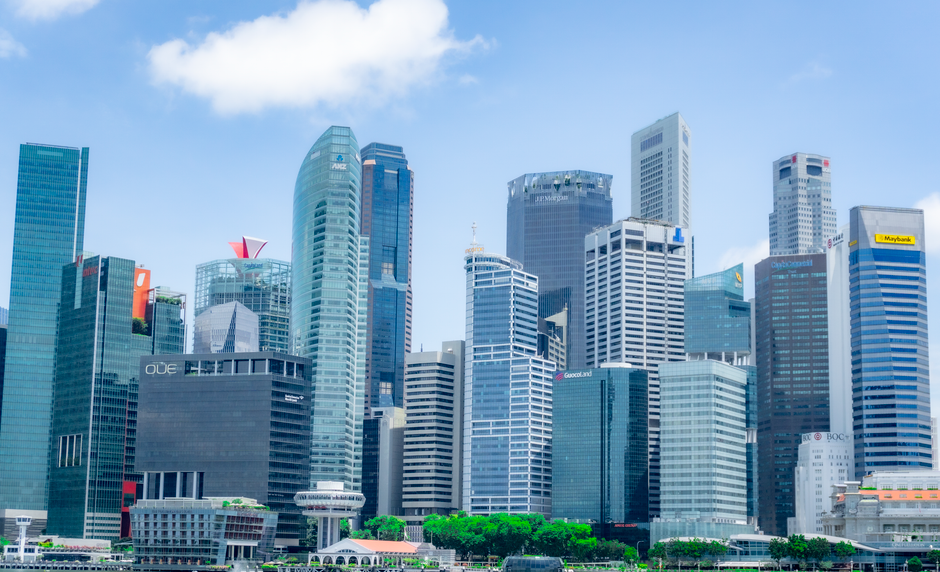
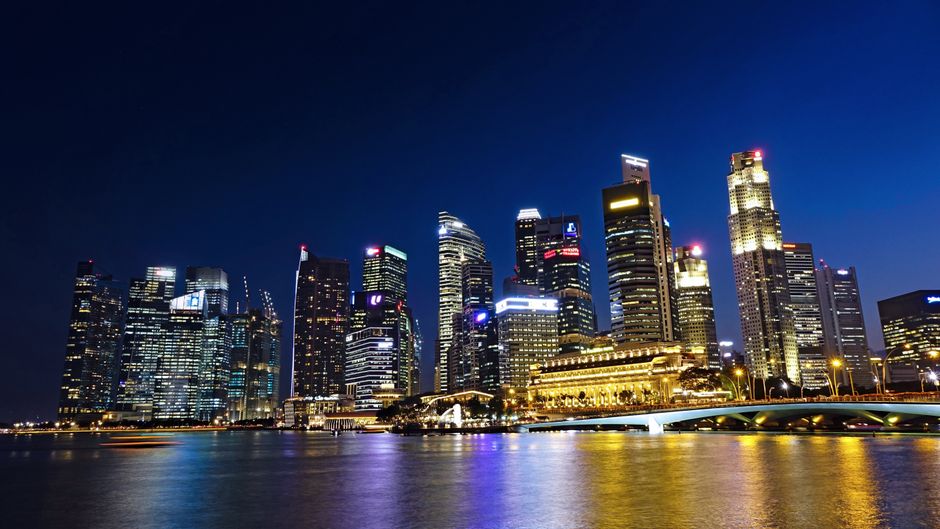
Singapore's venture capital landscape is entering a recalibration phase. After years of growth-at-all-costs mentality that saw startups in Block 71 and one-north clustering around consumer apps and fintech, investors are signalling a marked pivot toward what they call "sustainable scale."
Conversations at recent networking events in the CBD and at venues like Block 71's sprawling co-working spaces reveal a clear shift. The days of $100 million Series A rounds for unproven business models are fading. Instead, venture capital firms operating from Marina Bay Financial Centre are increasingly focusing on what comes after the hype: profitable unit economics, recurring revenue, and tangible paths to acquisition or IPO.
The Singapore Economic Development Board reported in early 2026 that venture funding in the region reached $6.8 billion across 381 deals in 2025—a modest 3% decline from 2024. But beneath that headline figure lies structural change. Deep tech and climate tech now command roughly 22% of total funding, up from 14% two years ago. Hardware startups, traditionally sidelined for their capital intensity, are seeing renewed interest, particularly those based in Jurong Innovation District or anchored at science parks.
Several trends are crystallising the roadmap for the next 18 months. First: geographic diversification. Venture firms are no longer Singapore-centric; they're building syndicates across Southeast Asia, India, and beyond. This reduces reliance on the island's limited pool of early-stage capital and creates pathways for local startups to raise Series B and C rounds from international co-investors.
Second: sector specialisation. Rather than generalist funds, limited partners are backing specialists—climate tech funds, biotech syndicates, and enterprise SaaS vehicles. This allows managers in the Raffles Place area to develop deeper domain expertise and provide more than capital; they're adding operational infrastructure.
Third: the emergence of Singapore as a terminal funding destination. Historically, startups would graduate to US or Chinese investors for later rounds. That's shifting. More founders are staying local, accessing Series C and D capital without relocating to Silicon Valley—a trend encouraged by tax incentives and the Government's push to strengthen the region's innovation reputation.
What this means practically: expect more selective deployment, longer due diligence cycles, and higher bar for entry. But for founders with solid fundamentals, the outlook is clearer. The next wave of Singapore startups may be smaller in headline valuation but far more durable in business model. That's the ecosystem's new north star.
This article was compiled by AI from the sources linked above and screened before publishing. See our editorial standards.