Singapore's tropical climate presents unique challenges for outdoor runners. With average temperatures hovering around 27–31°C and humidity levels consistently above 70 per cent, following generic running advice simply won't cut it. Here's what the evidence tells us actually works in our local conditions.
Timing matters more than distance
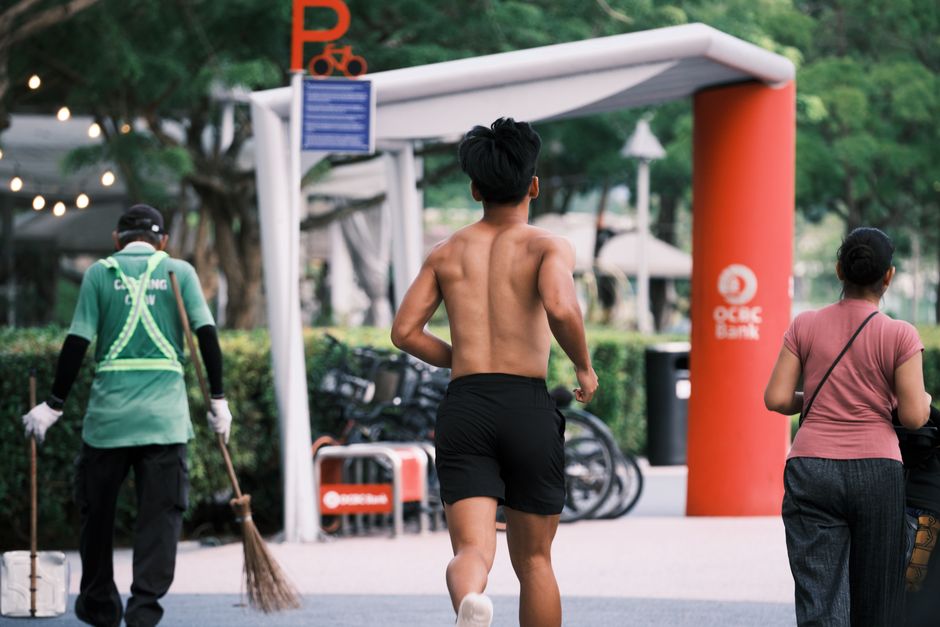
Research on tropical exercise shows that running between 5:30am and 7am—before peak heat—reduces core body temperature strain by up to 15 per cent. The East Coast Park (ECP), stretching 15km along Marine Parade, becomes noticeably cooler at dawn, and the seafront breeze provides measurable thermoregulation benefits. Evening slots after 6:30pm see similar advantages. Mid-day runs, despite their appeal, increase heat illness risk significantly in our climate.
Hydration science for humidity
Sweat rates in humid conditions can reach 1.5 to 2 litres per hour—higher than temperate zones. Sports science consensus recommends 500–750ml of fluid per hour for runs exceeding 45 minutes. Singapore's hawker centres near running routes (like those near Bishan-Ang Mo Kio Park) stock affordable water and isotonic drinks, making mid-run refuelling practical. Carrying a hydration pack isn't optional here; it's evidence-based injury prevention.
Route selection by elevation and shade
The Botanic Gardens' 52 hectares offer tree coverage that measurably lowers surface temperature compared to exposed park connectors. Studies show shaded routes reduce perceived exertion by 10–12 per cent. HDB estate routes—particularly around Bukit Timah and the Kallang Park Connector system—offer mixed shade patterns that break up sun exposure effectively. Tree-lined paths in Bishan-Ang Mo Kio Park provide similar benefits and are completely free to access.
Recovery in our climate
Post-run cooling is critical. A 10-minute cool-down walk followed by ice-water immersion (or even splashing with cold water from estate tap stands) accelerates recovery. Singapore's free polyclinic network offers sports medicine consultations if overtraining symptoms emerge—heat exhaustion and dehydration can masquerade as general fatigue.
Community structure works
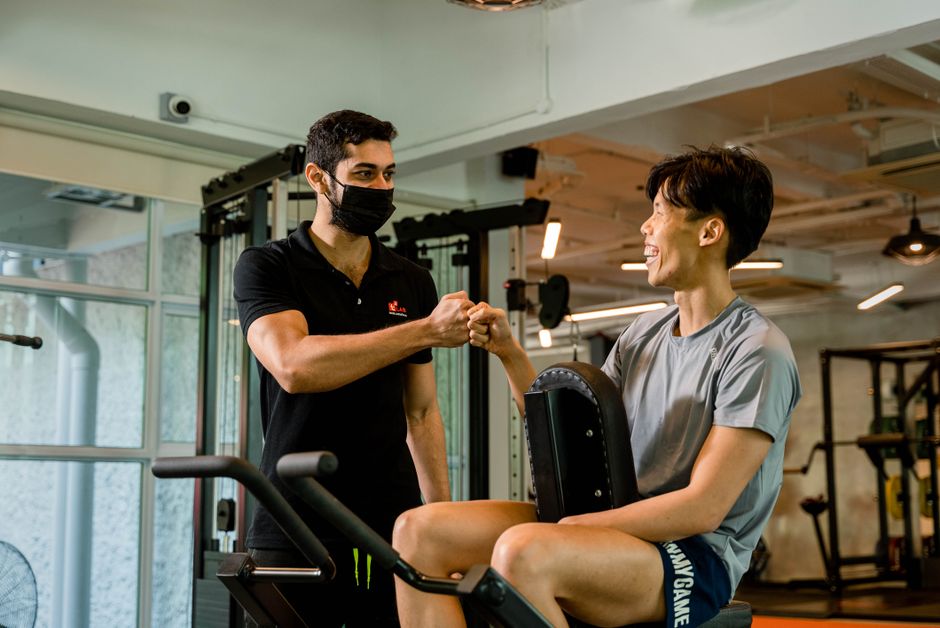
Data from running clubs affiliated with SportSG shows that runners with structured training groups—whether through HDB estate gym facilities or organised community runs—sustain consistency 40 per cent longer than solo athletes. The social accountability in Singapore's community sport culture isn't just pleasant; it's a retention mechanism supported by exercise science.
Running outdoors in Singapore is entirely feasible when you align your approach with local physiology and climate. Start early, hydrate deliberately, choose shaded routes, and consider a running community. That's not just advice—it's what works here.
This article was compiled by AI from the sources linked above and screened before publishing. See our editorial standards.