Wellness
How to start a walking group in your neighbourhood
From securing a meeting point to building momentum, here's what you need to know about launching a community walking initiative in your HDB estate or precinct.
3 min read
Wellness
From securing a meeting point to building momentum, here's what you need to know about launching a community walking initiative in your HDB estate or precinct.
3 min read
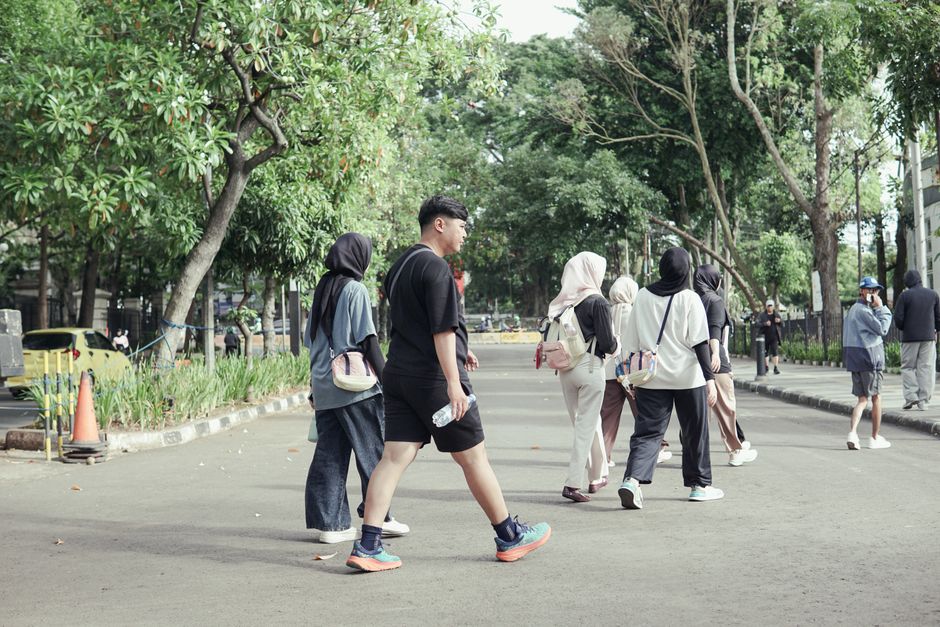
Walking groups have quietly become one of Singapore's most accessible forms of community fitness. Unlike gym memberships that cost $50 to $150 monthly, or organised running clubs that demand a certain pace, neighbourhood walking groups are free, inclusive, and require minimal equipment. If you've been thinking about starting one in your estate, the groundwork is simpler than you might expect.
Begin by identifying your anchor location. The most successful groups in Singapore tend to cluster around natural meeting points: void decks in HDB estates, neighbourhood parks, or well-lit community spaces. If you're in the east, the East Coast Park corridor offers 15 kilometres of dedicated pathways perfect for group walks. In the central zones, the Botanic Gardens provides both scenic routes and ample parking. For heartland residents, neighbourhood parks like Jurong Lake Gardens or Bedok Reservoir serve as reliable starting points. The key is visibility and accessibility—somewhere people pass through regularly and feel safe gathering, especially in the early mornings when most walkers prefer to exercise.
Next, formalise your group's existence through modest but meaningful channels. Create a WhatsApp or Telegram chat; most Singapore walking groups operate through these platforms, which allows flexibility and real-time updates about weather or route changes. Post flyers at your void deck, community notice boards, and neighbourhood centres. Many grassroots organisations in Singapore use this low-tech approach with surprising success. If you're organised enough, register your group with your local Community Development Council (CDC) or grassroots organisation—this opens doors to potential funding for small events and adds legitimacy without bureaucratic burden.
Plan a sustainable schedule. Most neighbourhood walking groups in Singapore meet 2–3 times weekly, typically in the early morning (6:30–7:30 am) to avoid midday heat, or in the evening (6:30–7:30 pm). Keep initial walks to 5–8 kilometres at a conversational pace—the goal is community building, not speed. Vary your routes weekly to maintain interest: alternate between your estate's internal pathways, nearby parks, and reservoir loops.
Set welcoming ground rules. Emphasise that all fitness levels are welcome. Free walking groups thrive on inclusivity—retirees, young professionals, and families with children often mix comfortably. Keep safety practical: insist on visibility gear for evening walks, establish a buddy system for newcomers, and maintain a chat reminder 24 hours before each session.
Finally, stay consistent through the first two months. Momentum builds slowly. Aim for a core group of 8–12 regulars before expanding ambitions. Once established, your neighbourhood walking group becomes a self-sustaining wellness hub—free, community-driven, and exactly the kind of grassroots fitness initiative that works best in Singapore's neighbourhood-centred culture.
This article was compiled by AI from the sources linked above and screened before publishing. See our editorial standards.

Wellness

Wellness

Wellness

Wellness
About this article
Published by The Daily Singapore
Spread the word
Daily brief
Free, in your inbox before 7am. Weekdays.
The Daily Network — local news across Australia